
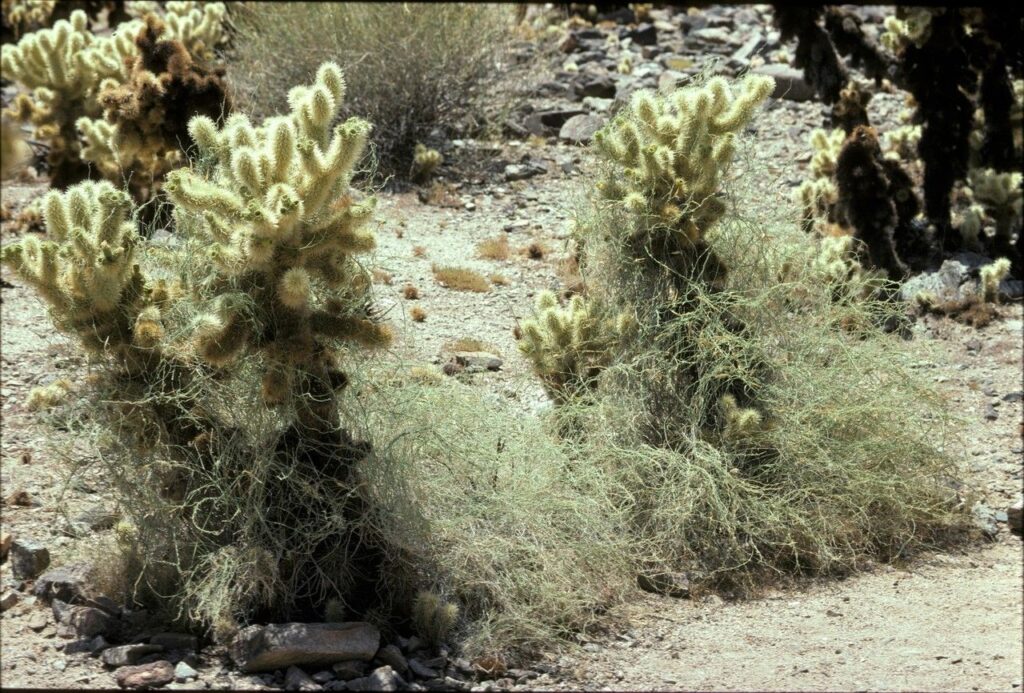
Propagating Asclepias erosa: A Gardener’s Guide to the Chihuahuan Milkweed
Asclepias erosa, commonly known as Chihuahuan milkweed, is a captivating perennial native to the southwestern United States and Mexico. Its delicate, narrow leaves and clusters of rosy-purple flowers make it a highly desirable addition to any garden, especially those aiming to attract pollinators like monarch butterflies. Its relatively compact size and drought tolerance further enhance its appeal to gardeners. However, propagating this beautiful milkweed can present unique challenges, requiring a nuanced approach depending on the chosen method.
Seed Germination:
Seed germination for Asclepias erosa is a viable but challenging method. The seeds possess a hard seed coat which inhibits germination, requiring pre-treatment. Challenges include a relatively low germination rate even with stratification and inconsistent results.
Tips for Success:
- Stratification: Cold stratification is crucial. Place seeds in a moist medium (e.g., vermiculite or perlite) in a sealed bag and refrigerate for 6-8 weeks. This mimics the natural winter conditions necessary to break seed dormancy.
- Sowing Technique: Sow seeds thinly in a well-draining seed-starting mix after stratification. Maintain consistent moisture (not soggy) and keep the humidity high, ideally using a humidity dome. Germination should occur within 2-4 weeks, though some seeds may take longer.
- Rewards: Successfully germinating Chihuahuan milkweed seeds offers the reward of genetic diversity, leading to a more robust and resilient population. It also allows for large-scale propagation, ideal for habitat restoration or supplying many plants for a garden.
Cuttings:
Propagating Asclepias erosa from cuttings is feasible, though success depends heavily on timing and technique.
Challenges:
Cuttings often experience slower rooting than other plants. The success rate varies depending on the age and health of the mother plant, and the timing of the cutting’s collection. Use of rooting hormone is recommended.
Tips for Success:
- Timing: Take semi-hardwood cuttings in late spring or early summer from new growth that’s firm but not fully woody.
- Technique: Use a sharp knife or shears to take 4-6 inch cuttings, removing lower leaves. Dip the cut ends in rooting hormone and plant in a moist, well-draining rooting medium. Maintain humidity with a humidity dome or plastic bag.
- Rewards: Cuttings offer a quicker method of propagation compared to seeds, resulting in plants that more closely resemble the parent plant. The faster establishment can be advantageous for gardeners seeking immediate results.
Division:
Division is a relatively straightforward method for Asclepias erosa.
Challenges:
Division is only possible when the plant is well-established and has produced enough rhizomes or root systems for separation without severely stressing the parent plant.
Tips for Success:
- Timing: Early spring is the ideal time for division, before new growth begins.
- Technique: Carefully dig up the established plant, gently separating the root system into smaller divisions ensuring that each division has healthy roots and shoots. Replant individual sections in the prepared soil.
- Rewards: This is a quick and reliable method, resulting in multiple plants quickly. The genetic makeup of new plants will be identical to the mother plant.
Tissue Culture:
Currently, there are no widely available or easily replicated protocols for tissue culture propagation of Asclepias erosa.
Conclusion:
Propagating Asclepias erosa presents unique challenges depending on the chosen method. While seed germination offers the highest genetic diversity, it requires patience and careful stratification. Cuttings and division offer quicker results but may yield lower success rates unless the correct techniques are followed. Tissue culture remains an unexplored avenue. The satisfaction of successfully propagating this beautiful and ecologically important plant, regardless of the method, is significant, rewarding the gardener with a deeper appreciation for its resilience and beauty. The perseverance required highlights the bond between gardener and plant, reinforcing the value of nurturing such a beneficial species. Don’t be discouraged by setbacks – experimentation and careful observation are key to mastering the propagation of Chihuahuan milkweed.