
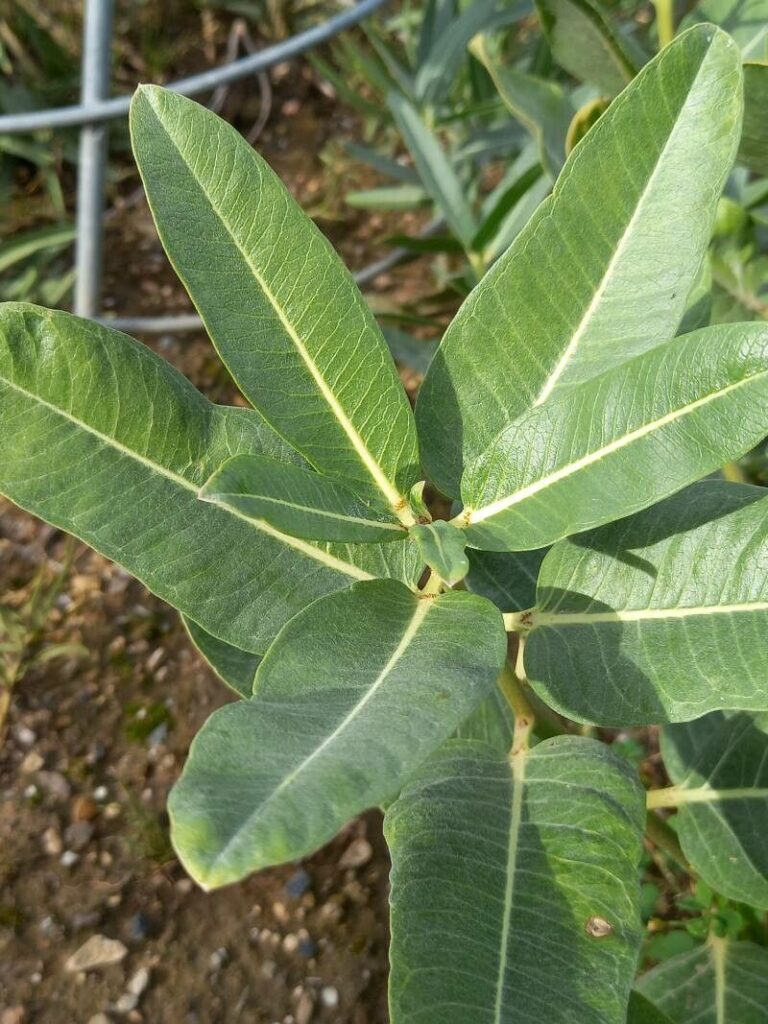
Nurturing Rarity: A Guide to Propagating Hall’s Milkweed (Asclepias hallii)
Hall’s milkweed (Asclepias hallii) is not your typical backyard flower. This rare and beautiful milkweed subspecies has an air of mystery, existing only in small, scattered populations across the American West. But for plant enthusiasts with a green thumb and a passion for conservation, propagating Hall’s milkweed can be a rewarding challenge, contributing to the survival of this valuable species.
Why Propagate Hall’s Milkweed?
Before we delve into the “how-to,” it’s vital to understand the “why.” Hall’s milkweed, like all milkweed species, plays a critical role in the ecosystem, providing essential habitat and food for Monarch butterflies, whose populations have been declining at alarming rates. Cultivating these plants in our gardens and landscapes contributes to a larger effort in Monarch conservation, while also preserving the genetic diversity of this unique milkweed subspecies.
Propagation Methods: A Two-Pronged Approach
Propagating Hall’s milkweed presents a unique set of challenges due to its rarity and specific needs. However, two primary methods offer the best chance of success:
1. Seed Propagation:
- Seed Collection: Obtaining seeds from reputable sources specializing in native plants is crucial. Look for suppliers who sustainably harvest seeds to avoid further endangering wild populations.
- Stratification: Hall’s milkweed seeds require cold stratification to mimic their natural winter dormancy. Place seeds in a damp paper towel, seal them in a plastic bag, and refrigerate for 4-6 weeks.
- Sowing: After stratification, sow seeds in a well-draining seed-starting mix, pressing them lightly onto the surface. Maintain consistent moisture and warmth (around 70°F). Germination can be slow, taking anywhere from a few weeks to a couple of months.
- Transplanting: Once seedlings have developed several sets of true leaves, they are ready to be transplanted into larger pots or directly into the ground. Be sure to harden off seedlings gradually to acclimate them to outdoor conditions.
2. Root Cuttings:
- Timing is Key: The ideal time for taking root cuttings is in the fall after the plant has finished blooming or in early spring before new growth emerges.
- Taking the Cuttings: Choose healthy, mature roots and use a sharp, sterilized knife or pair of shears. Each cutting should be about 2-3 inches long.
- Rooting Hormone (Optional): While not strictly necessary, dipping the cut ends in rooting hormone can help stimulate faster root development.
- Planting and Patience: Plant the cuttings vertically in a well-draining potting mix with the top just below the soil surface. Maintain consistent moisture and place them in a location with indirect light. Rooting can take several weeks.
Providing the Ideal Environment:
- Sunlight: Hall’s milkweed thrives in full sun, needing at least 6-8 hours of direct sunlight daily.
- Soil: Well-drained soil is key to preventing root rot. Amending heavy clay soils with sand or perlite can improve drainage.
- Watering: Water deeply but infrequently, allowing the soil to dry out slightly between watering. Once established, Hall’s milkweed is relatively drought-tolerant.
The Rewards of Patience and Persistence
Propagating Hall’s milkweed can be a labor of love, requiring both patience and persistence. But witnessing the emergence of new life from seed or root cutting and eventually, the iconic Monarch butterfly gracing your garden, makes the journey truly worthwhile. By cultivating this rare plant, we not only enhance our gardens but also contribute to the preservation of this valuable species for generations to come.