
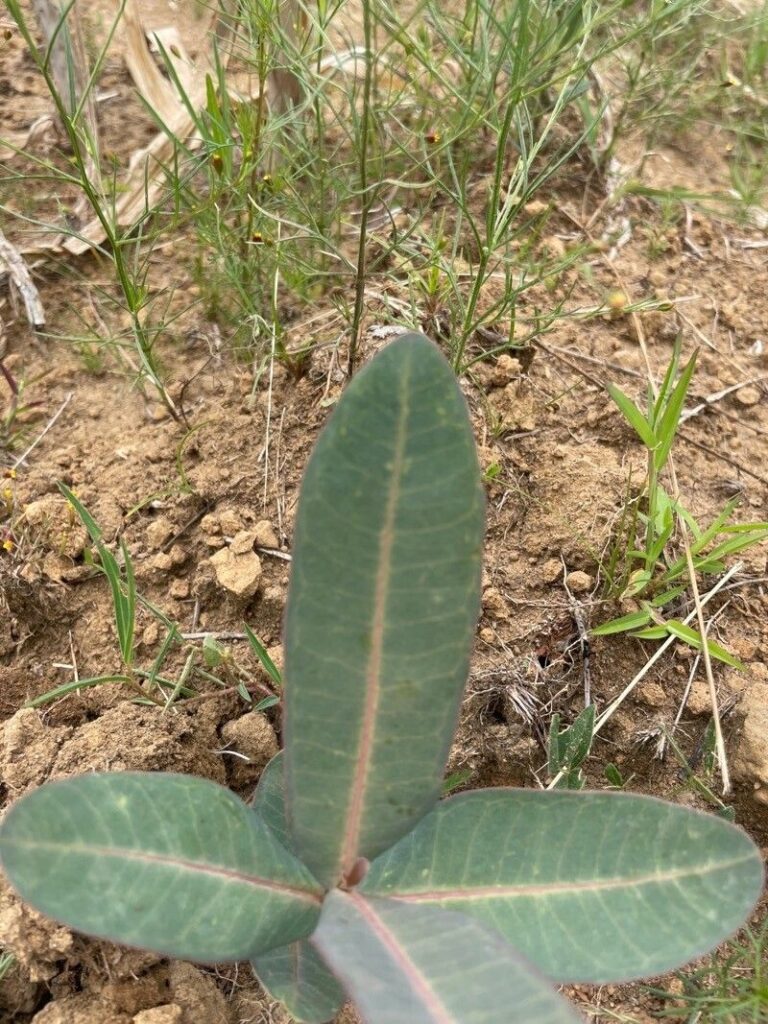
Taming the Sandhill Milkweed: A Guide to Propagating Asclepias humistrata
The Sandhill Milkweed (Asclepias humistrata), with its alluring blooms of pale pink to greenish white, is a sight to behold in its sandy, sun-drenched habitat. While this wildflower brings immense ecological value, particularly for Monarch butterflies, cultivating it in your own garden might seem daunting. Fear not! With some patience and the right techniques, you can successfully propagate this beautiful, butterfly-attracting plant.
Seeds: Sowing the Future of Monarchs
The most common method for propagating Asclepias humistrata is through seeds. Here’s a step-by-step guide:
- Seed Collection: Collect mature seed pods from existing plants in late summer or early fall. The pods should be brown and starting to split open.
- Seed Preparation: Gently break open the pods and remove the silky-tailed seeds. To improve germination rates, consider cold stratification. Place seeds in a damp paper towel within a sealed plastic bag, and store them in your refrigerator for 4-6 weeks.
- Sowing Time: For best results, sow seeds outdoors in fall, allowing for natural winter stratification. You can also start seeds indoors 6-8 weeks before the last expected frost.
- Soil and Planting: Use a well-draining seed starting mix or a sandy loam potting soil. Sow seeds about ¼ inch deep and mist with water.
- Light and Water: Provide ample sunlight or artificial grow lights for indoor starts. Keep the soil consistently moist but not waterlogged.
- Transplanting: Once seedlings have developed several sets of true leaves and all danger of frost has passed, you can transplant them outdoors.
Cuttings: A Faster Route to Blooms
Propagating Asclepias humistrata through cuttings offers a quicker method for mature plants. This method is best undertaken in late spring or early summer when the plant is actively growing:
- Take Cuttings: Using clean, sharp pruning shears, take 4-6 inch cuttings from healthy stems. Make sure to cut just below a leaf node.
- Prepare Cuttings: Remove the lower leaves, leaving only a few at the top.
- Rooting Hormone (Optional): While not strictly necessary, dipping the cut end in rooting hormone can encourage faster root development.
- Planting and Care: Plant the cuttings in a well-draining potting mix, ensuring the leaf nodes are buried. Water well and keep the soil consistently moist.
- Transplanting: Once the cuttings show signs of new growth, indicating successful rooting, they can be transplanted to larger pots or outdoors after hardening off.
Nurturing Your Sandhill Milkweed:
Regardless of your chosen propagation method, here are some essential care tips:
- Sunlight: This sun-loving wildflower thrives in full sun, requiring at least 6 hours of direct sunlight daily.
- Water: Water regularly, allowing the soil to dry slightly between waterings. Established plants are relatively drought-tolerant.
- Soil: Ensure well-draining soil, as Sandhill Milkweed is susceptible to root rot in overly wet conditions.
- Fertilizer: While not a heavy feeder, amending the soil with compost or a balanced fertilizer during planting can encourage healthy growth.
Successfully propagating Asclepias humistrata not only adds beauty to your garden but also plays a vital role in supporting the declining Monarch butterfly population. Embrace the opportunity to be a steward for this important plant, and enjoy the rewarding experience of watching your garden become a haven for butterflies.