
Spreading the Milky Love: Propagating the Graceful Milkweed (Asclepias pedicellata)
The Graceful Milkweed, scientifically known as Asclepias pedicellata, is a captivating addition to any pollinator-friendly garden. This elegant plant boasts delicate clusters of pink and white blooms that allure monarch butterflies and other beneficial insects. While readily available at some native plant nurseries, learning to propagate your own Graceful Milkweed can be a rewarding endeavor, allowing you to expand your butterfly haven and share this beneficial beauty with others.
This comprehensive guide explores the two most effective methods for propagating Asclepias pedicellata:
1. Seed Propagation: A Journey of Patience and Reward
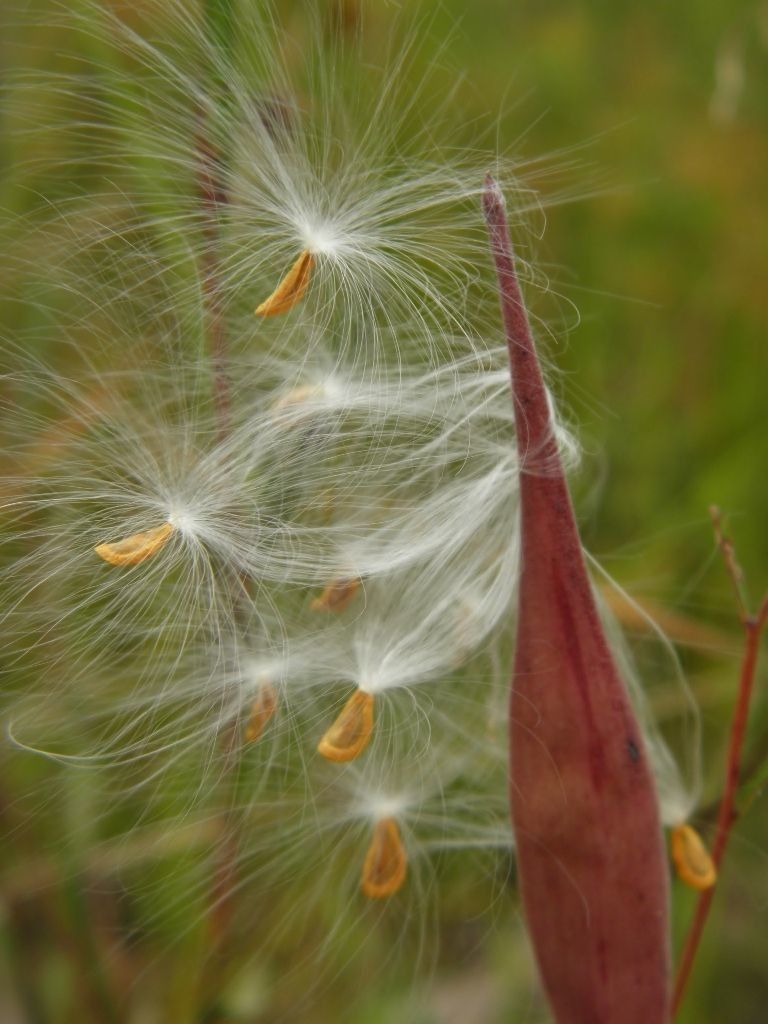
- Timing is Key: Collect seeds from dried pods in late summer or fall. The pods should be brown and starting to split open, revealing the fluffy seeds within.
- Cold Stratification Secrets: Graceful Milkweed seeds, like many native plants, require a period of cold stratification to simulate natural winter conditions and break dormancy.
- Method 1: Winter Sowing: Sow seeds in small pots with drainage holes, using a well-draining seed starting mix. Place the pots outdoors in a sheltered location where they will be exposed to winter’s chill. This method mimics natural processes and offers the highest success rate.
- Method 2: Refrigerator Stratification: If outdoor sowing isn’t feasible, mix seeds with moist vermiculite or sand and seal them in a plastic bag. Store in the refrigerator for 30-60 days before sowing indoors.
- Sowing the Seeds: Plant seeds about ¼ inch deep in a seed starting mix. Maintain consistent moisture but avoid overwatering.
- Light and Warmth: Place your seed trays or pots in a bright location with indirect sunlight. A temperature of 70-75°F (21-24°C) is ideal for germination.
- Emergence Anticipation: Be patient, as germination can take anywhere from 2 to 8 weeks.
- Transplanting Time: Once seedlings develop a few sets of true leaves, transplant them into larger pots or directly into your garden after the last frost.
2. Root Cuttings: A Quicker Path to New Plants
- The Right Time: Take root cuttings in late fall or early spring when the plant is dormant.
- Unearth and Divide: Carefully dig up a healthy, established plant. Using clean, sharp shears, divide the root system into sections, ensuring each section has several growth points (small bumps or buds).
- Potting Up Your Divisions: Plant each root section in a pot filled with well-draining soil, ensuring the growth points are just below the soil surface.
- Nurturing New Growth: Water thoroughly and place the pots in a bright, indirect light location. Maintain consistent moisture.
- Planting Out: Once new growth emerges and roots become established (usually within a few weeks), you can transplant your divisions into their permanent garden location.
Nurturing Your Graceful Milkweed
Regardless of your chosen propagation method, provide your Graceful Milkweed with the following care tips:
- Sunlight: Plant in a location that receives at least 6 hours of sunlight per day.
- Soil: Well-drained soil is crucial to prevent root rot.
- Watering: While drought-tolerant once established, water regularly during the first year, especially during dry periods.
Propagating Asclepias pedicellata isn’t just about adding beauty to your garden; it’s about contributing to the well-being of critical pollinators like monarch butterflies. With a little patience and care, you can multiply your impact and share the gift of the Graceful Milkweed with your community.