
Taming the Wildflower: Propagating Sida linifolia for a Touch of Prairie Charm
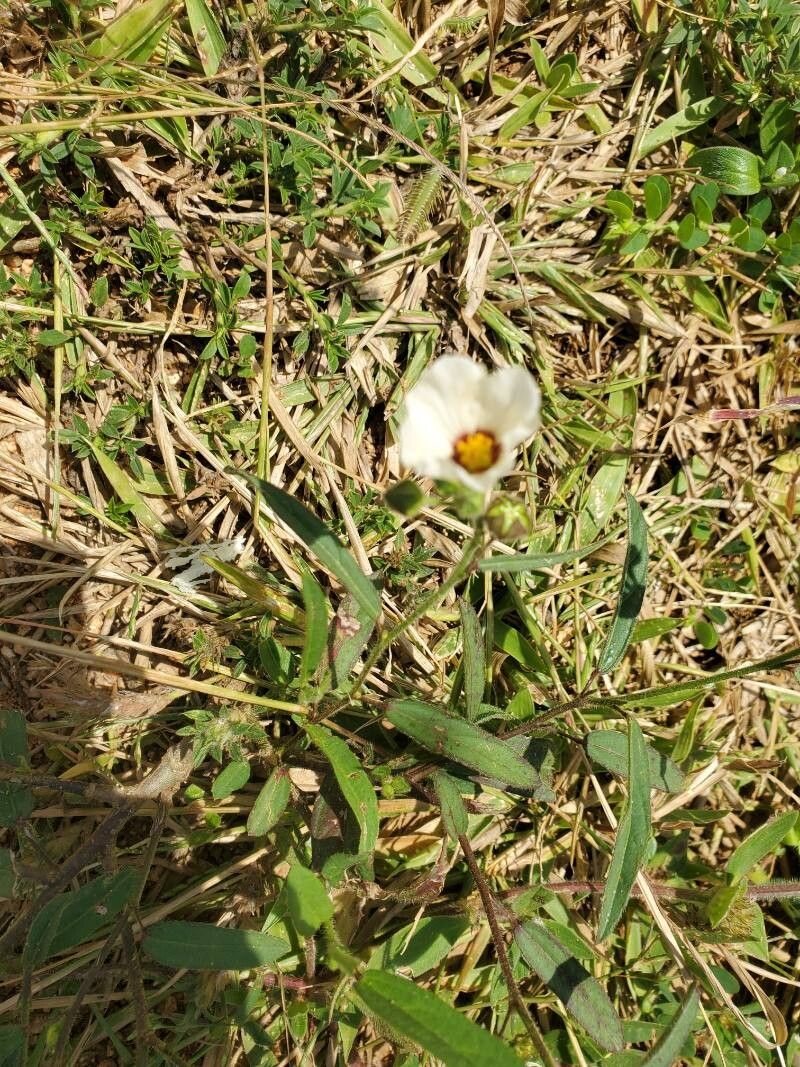
Sida linifolia, also known as Flaxleaf Fanpetals or simply as Sida, might not be a household name in the gardening world, but this delicate wildflower deserves a spot in more gardens. With its airy foliage resembling flax and charming, pale orange blossoms, Sida linifolia brings a touch of understated elegance and a whisper of the prairie to any setting. If you’re looking to invite this native beauty into your garden, propagating it yourself is a rewarding and surprisingly easy endeavor.
Sowing the Seeds of Success: Two Avenues of Propagation
Sida linifolia offers two main methods of propagation:
1. Seed Propagation: This method is the most common and straightforward way to propagate Sida linifolia. Follow these simple steps:
- Seed Collection: Collect mature seeds from existing plants in late summer or fall. The seed pods will turn brown and dry when ready. Gently crush the pods to release the tiny, brown seeds.
- Sowing Time: For best results, sow seeds directly into your garden in the fall. Sida linifolia benefits from a period of cold stratification, meaning exposure to cold temperatures during winter, which helps break seed dormancy and encourages germination in the spring.
- Sowing Depth: Sow seeds shallowly, just barely pressing them into the soil surface. Sida seeds require light for germination.
- Watering: Keep the soil consistently moist but not waterlogged until the seedlings emerge.
- Thinning: Once the seedlings are a few inches tall, thin them out to provide adequate spacing for growth, typically 12-18 inches apart.
2. Cuttings: While slightly less common, propagating Sida linifolia from cuttings is another viable option, especially if you want to ensure you’re replicating the characteristics of a particular plant:
- Timing is Key: Take cuttings in the spring or early summer from healthy, actively growing stems.
- Making the Cut: Choose a stem that is at least 4-6 inches long and cut just below a leaf node. Remove the lower leaves from the cutting, leaving only a few at the top.
- Rooting Hormone (Optional): While not essential, dipping the cut end in rooting hormone can encourage faster and more successful root development.
- Potting Up: Plant the cuttings in a well-draining potting mix, burying the bottom node.
- Creating a Humid Environment: Cover the pot with a plastic bag or humidity dome to create a warm, humid environment, which promotes rooting.
- Transplanting: Once the cuttings have developed a strong root system, typically in a few weeks, they can be transplanted into larger pots or directly into the garden.
Nurturing Your Sida: Tips for Success
Regardless of your chosen propagation method, here are a few tips to ensure your Sida linifolia thrives:
- Well-Drained Soil: Sida prefers well-drained soil and is quite drought-tolerant once established.
- Sun Worshiper: Plant your Sida in a location that receives full sun for best flowering.
- Minimal Feeding: Sida linifolia is not a heavy feeder. Amending the soil with compost before planting is usually sufficient.
- Deadheading Delight: While not strictly necessary, deadheading spent flowers can encourage more blooms and a tidier appearance.
Propagating Sida linifolia is a rewarding experience for both beginner and experienced gardeners. By following these guidelines, you can successfully propagate this charming wildflower and enjoy its delicate beauty in your own garden, contributing to its continued presence in our landscapes.