
Unlocking the Secrets of the Bigflower Pawpaw: A Propagation Guide
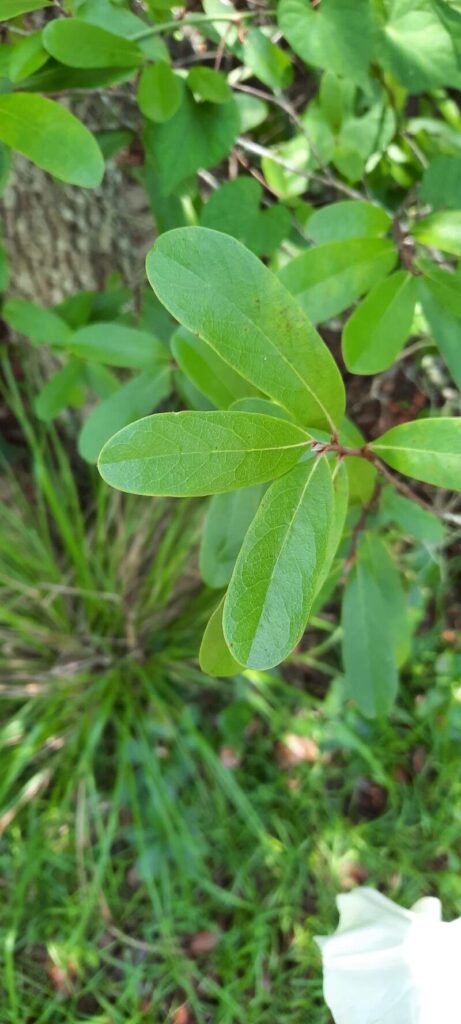
The Bigflower Pawpaw (Asimina obovata) isn’t your average backyard fruit tree. This Florida native boasts stunning, maroon blossoms and delicious, custard-like fruits, making it a unique addition to any subtropical garden. However, successfully cultivating these beauties requires understanding their specific propagation needs. So, let’s delve into the fascinating world of Bigflower Pawpaw propagation and equip you with the knowledge to nurture these trees from seed to sapling.
The Seed of the Matter: Starting Your Journey with Patience
The most common and rewarding method of propagating Bigflower Pawpaws is through seeds. However, patience is key here, as these seeds are notoriously slow to germinate. Here’s a step-by-step guide to maximize your success:
-
Seed Collection and Preparation: Collect ripe fruits in late summer or early fall. Extract the large, brown seeds and clean off any remaining pulp. It’s crucial to sow the seeds fresh, as they quickly lose viability.
-
Cold Stratification: Bigflower Pawpaw seeds require a period of cold stratification to mimic natural winter conditions. Place the seeds between moist paper towels in a sealed plastic bag and store them in the refrigerator (around 40°F or 4°C) for at least 90 days, but ideally 120 days.
- Sowing the Seeds: After stratification, sow the seeds about 1-inch deep in well-draining seed-starting mix. Keep the soil consistently moist but not waterlogged. Be prepared for a waiting game, as germination can take anywhere from a few weeks to several months.
Beyond Seeds: Exploring Alternative Propagation Methods
While seed propagation offers a fulfilling experience, there are alternative methods for those seeking faster results or specific plant traits:
-
Root Cuttings: This method involves taking cuttings from established trees during dormancy and encouraging root development. It requires precise timing and specific conditions, making it less reliable than seed propagation for beginners.
- Grafting: Grafting involves joining a section of a desirable Bigflower Pawpaw variety (scion) onto the rootstock of a compatible species. This method allows for faster fruiting and preservation of specific traits but requires experience and skill.
Nurturing Your Pawpaw Progeny: Tips for Success
Whether you choose seed germination or another method, providing optimal growing conditions is essential for your young Bigflower Pawpaws:
-
Well-Draining Soil: These trees prefer slightly acidic, well-draining soil. Amend heavy clay or sandy soils with organic matter to improve drainage.
-
Sun and Shade Balance: While Bigflower Pawpaws tolerate partial shade, they thrive in full sun (at least six hours daily) for optimal growth and fruit production.
-
Regular Watering: Maintain consistent soil moisture, especially during dry periods. However, avoid overwatering, which can lead to root rot.
- Pest and Disease Management: Be vigilant for potential pests like scale insects and diseases like fungal leaf spots. Prompt identification and treatment are crucial for maintaining healthy plants.
Propagating Bigflower Pawpaws might require some patience, but the reward of witnessing these magnificent trees flourish under your care is truly fulfilling. Armed with the knowledge from this guide, you can embark on your propagation journey and contribute to the preservation of this remarkable native species.