
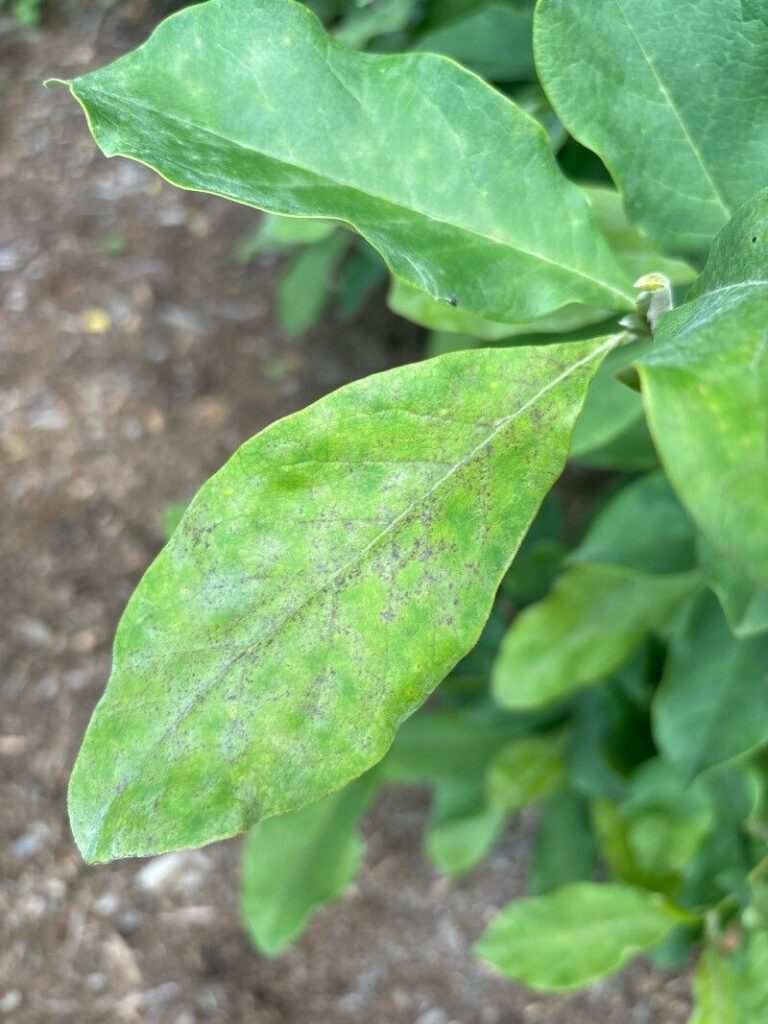
Unlocking the Secrets of Propagation: Bringing “Pawpaw” Plants to Life
The Asimina parviflora, better known as the “Pawpaw,” offers a taste of the tropics right in your own backyard. This native North American fruit tree is prized for its delicious, custard-like fruit, making it a standout addition to any home garden. But how can you bring one of these delightful trees to life? The answer lies in propagation, a process that will unlock the secrets of growing your own Pawpaw paradise.
Nature’s Way: Seed Propagation
The easiest and most common way to propagate Pawpaw plants is through seeds. Here’s how to make it happen:
- Harvesting the Seeds: The first step is sourcing fresh, ripe Pawpaw fruit. Once you’ve got your hands on them, carefully extract the seeds, washing them thoroughly to remove any remaining pulp.
- Stratification: Pawpaw seeds require a period of cold stratification, mimicking the natural winter conditions they experience. This process involves exposing the seeds to cold temperatures for several months. You can achieve this by storing the seeds in a sealed container filled with damp vermiculite or peat moss in your refrigerator.
- Sowing the Seeds: After a period of 3-4 months in the refrigerator, remove the seeds and sow them directly into well-drained potting soil. Keep the soil consistently moist and provide a warm environment for germination. It can take several weeks to a few months before seedlings emerge.
Cloning Success: Vegetative Propagation
While seed propagation is an excellent option, some prefer the faster, more predictable method of vegetative propagation. This approach focuses on creating clones using a cutting from an existing mature Pawpaw tree. There are two common methods:
- Softwood Cuttings: During the early summer, select healthy, young shoots. Trim off the lower leaves and dip the cut end in a rooting hormone which will encourage root development. Planting the cuttings in a well-draining medium and maintaining a humid environment will give them the best chance to establish roots.
- Air Layering: This technique involves encouraging root growth from the stem of a branch without detaching it from the parent tree. A ring of bark is removed from a branch, and rooting hormone is applied to the exposed area. This is then wrapped in moistened sphagnum moss and sealed with plastic, creating a humid environment for root development. After several months, roots should form, and the new plant can be carefully separated and potted.
Beyond the Basics: A Note on Success
Regardless of the method, successful Pawpaw propagation requires patience, attention to detail and some crucial considerations:
- Soil and Location: Pawpaw trees thrive in well-drained soil with plenty of organic matter. Choose a spot that receives partial shade to full sun, as too much direct sun can burn their leaves.
- Moisture and Protection: Pawpaw trees require moist soil, especially during their establishment phase. Consider mulching to help retain soil moisture.
- Pollination and Fruit Production: Pawpaw trees need co-specific pollination, needing a variety of Pawpaw trees in close proximity to ensure fruit set.
Your Pawpaw Paradise Awaits:
With its unique flavor and tropical flair, the Asimina parviflora, or Pawpaw, makes a perfect addition to any garden. By choosing the right propagation method and providing the right care, you can easily bring these delicious fruit trees to life. Get ready to enjoy the fresh, creamy taste of Pawpaw fruit, harvested from your own garden!