
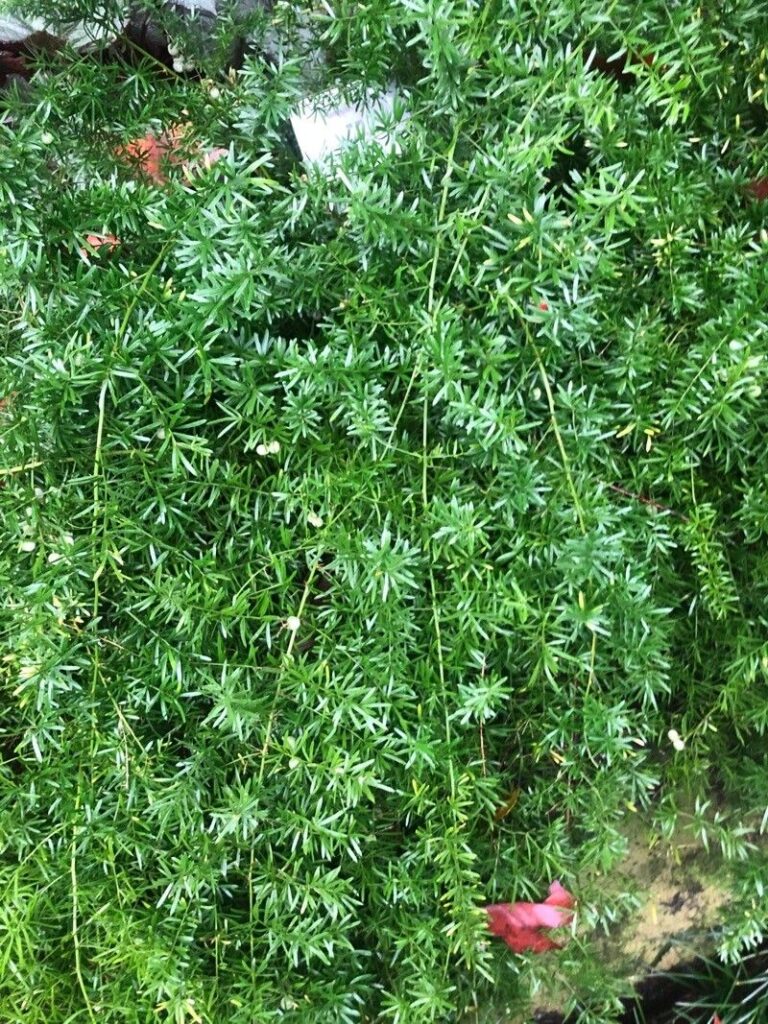
Propagating Asparagus densiflorus: A Gardener’s Guide
Asparagus densiflorus, commonly known as Sprenger’s asparagus or foxtail fern (though not a true fern), is a popular ornamental plant prized for its feathery, delicate foliage and attractive berries. Its ease of care and adaptability have contributed to its widespread cultivation in gardens and homes worldwide. However, propagating this attractive plant can present some challenges. Understanding the various methods available, their relative success rates, and the specific techniques involved is crucial for successful propagation.
Seed Germination:
Currently, there are no known reliable methods for seed germination propagation of Asparagus densiflorus. While the plant does produce seeds, germination rates are notoriously low and inconsistent, even under ideal conditions. The hard seed coat and often underdeveloped embryos contribute to this difficulty. Therefore, seed propagation is not a recommended method for the majority of home growers.
Cuttings:
Cuttings represent a more viable option for propagating Asparagus densiflorus.
- Challenges: Root development from cuttings can be slow and inconsistent. The success rate depends on factors like the age and health of the parent plant, the type of cutting (stem or root), and the environmental conditions provided.
- Practical Tips: Take semi-hardwood cuttings in late spring or early summer from healthy, actively growing shoots. Remove lower leaves to prevent rot, and dip the cut ends in a rooting hormone before planting them in a well-draining propagation mix, such as a peat and perlite blend. Maintain high humidity by covering the cuttings with a plastic bag or dome. Regular misting will also boost success.
- Rewards: Cuttings offer a relatively straightforward method, allowing for the quick propagation of desirable varieties. The resulting plants are genetically identical to the parent plant, preserving its desirable traits.
Division:
Division is arguably the easiest and most effective method for propagating Asparagus densiflorus.
- Challenges: Overcrowding can lead to smaller, less vigorous plants. Improper division can damage the root system, leading to plant failure.
- Practical Tips: The best time for division is during spring or early autumn when the plant is actively growing. Carefully dig up the mature plant and gently separate it into smaller clumps, ensuring each division has a good root system and several healthy shoots. Replant the divisions in well-prepared soil, ensuring adequate spacing for future growth.
- Rewards: Division is a rapid method, producing multiple plants from a single parent plant. It is low-risk and relatively quick, making it a favourite amongst home gardeners.
Tissue Culture:
Tissue culture offers a highly efficient method for mass propagation of Asparagus densiflorus.
- Challenges: Tissue culture requires specialized equipment, a sterile environment, and a good understanding of plant tissue culture techniques. It’s generally not a feasible option for home growers.
- Practical Tips: This method involves sterilizing plant tissues and growing them in a nutrient-rich medium under controlled conditions. This is best left to nurseries and commercial growers that possess the appropriate facilities and expertise.
- Rewards: Tissue culture facilitates the mass production of genetically identical plants, virus-free propagation and the potential for disease-free stock.
Conclusion:
Propagating Asparagus densiflorus presents a range of challenges and rewards depending on the chosen method. While seed propagation is unreliable, cuttings offer a viable option for home gardeners, while division is the most straightforward and likely to succeed. Tissue culture is the most efficient for large-scale production but requires specialized skills and equipment. The success of any method relies heavily on careful attention to detail, particularly concerning environmental conditions and maintaining a suitable level of moisture and humidity. The satisfaction derived from successfully propagating this beautiful plant, overcoming the unique hurdles it presents, amplifies the joy of gardening. Don’t be discouraged by initial setbacks; persistence and patience are key to reaping the rewards of cultivating this delightful foliage plant.