
Unveiling the Mysteries of Asparagus Exuvialis Propagation
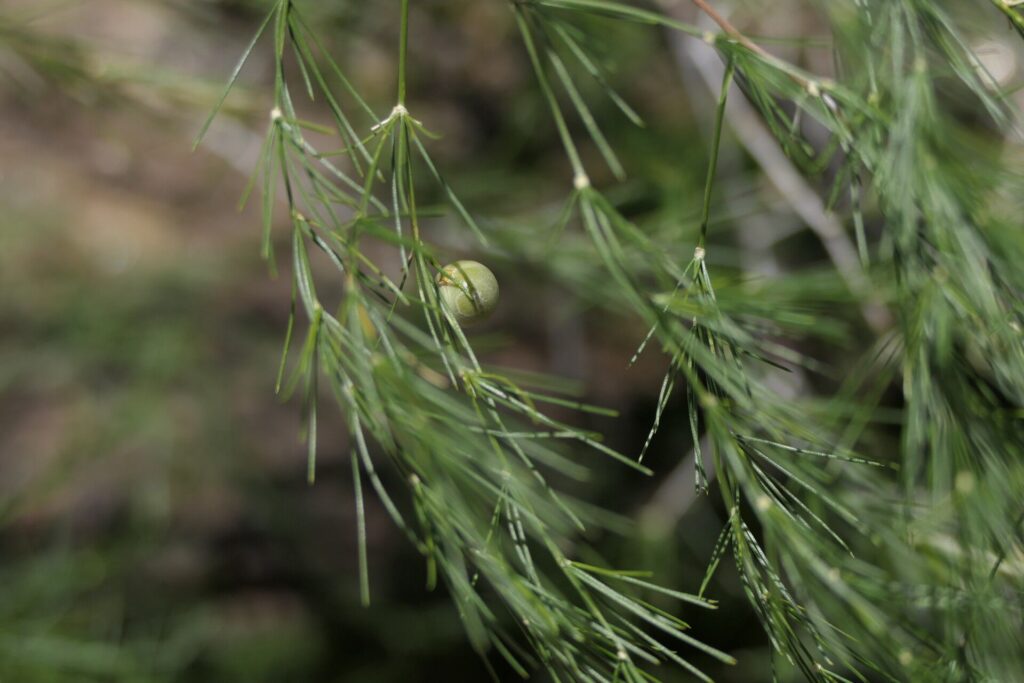
Asparagus exuvialis, a lesser-known but fascinating relative of the common asparagus, boasts graceful, feathery foliage and intriguing, almost prehistoric-looking seed pods. While not as widely cultivated, its unique aesthetic appeal and drought-tolerant nature make it a rewarding addition to any plant enthusiast’s collection. But how do you propagate this intriguing species? Let’s dig into the secrets of Asparagus exuvialis propagation.
Two Roads to Success: Seeds and Division
Like many plants, Asparagus exuvialis can be propagated through two primary methods: seed germination and division. Each approach has its own nuances and advantages, offering a flexible path for both novice and seasoned gardeners.
1. Sowing the Seeds of Growth:
- Timing is Key: Gather mature seeds from the plant’s distinctive, bright red berries in late summer or early fall. Remember, patience is vital as the berries need to dry out completely before extracting the seeds.
- Preparing the Seedbed: Use a well-draining seed starting mix, as Asparagus exuvialis prefers a slightly acidic to neutral pH.
- Sowing with Care: Plant the seeds about half an inch deep and mist the soil gently, ensuring it remains moist but not waterlogged.
- Embrace the Wait: Germination can be slow, sometimes taking several weeks or even months. Be patient, provide consistent warmth (around 70-75°F) and indirect sunlight, and soon you’ll see the first signs of life.
2. The Art of Division:
- The Right Time and Place: Spring, just as new growth emerges, is the ideal time for dividing established Asparagus exuvialis plants.
- Divide and Conquer: Carefully unearth a healthy plant and gently separate the root ball into sections, ensuring each division has healthy roots and shoots.
- Replanting for Success: Choose pots slightly larger than the root divisions and use a well-draining potting mix. Water thoroughly after planting and place in a location with bright, indirect light.
Nurturing Your New Asparagus Exuvialis:
Whether you’ve chosen the path of seeds or division, providing optimal care is crucial for your new Asparagus exuvialis to thrive:
- Sunlight and Location: These plants prefer bright, indirect light. While they can tolerate some shade, it might result in less vigorous growth.
- Watering Wisely: Allow the soil to dry out slightly between waterings, as Asparagus exuvialis is relatively drought-tolerant. Overwatering can lead to root rot.
- Feeding for Flourishing: Fertilize lightly during the growing season (spring and summer) with a balanced, diluted fertilizer.
- Potting On: Repot your Asparagus exuvialis every few years as it grows larger, choosing a pot slightly bigger than the previous one.
Embracing the Beauty of Asparagus Exuvialis:
Propagating Asparagus exuvialis is a rewarding journey that brings the satisfaction of cultivating a unique and captivating plant. Whether you’re a seasoned gardener or a green thumb in the making, these propagation techniques will guide you towards adding this special species to your plant family. With patience and care, you’ll soon be enjoying the delicate beauty and ancient allure of Asparagus exuvialis in your own home or garden.