
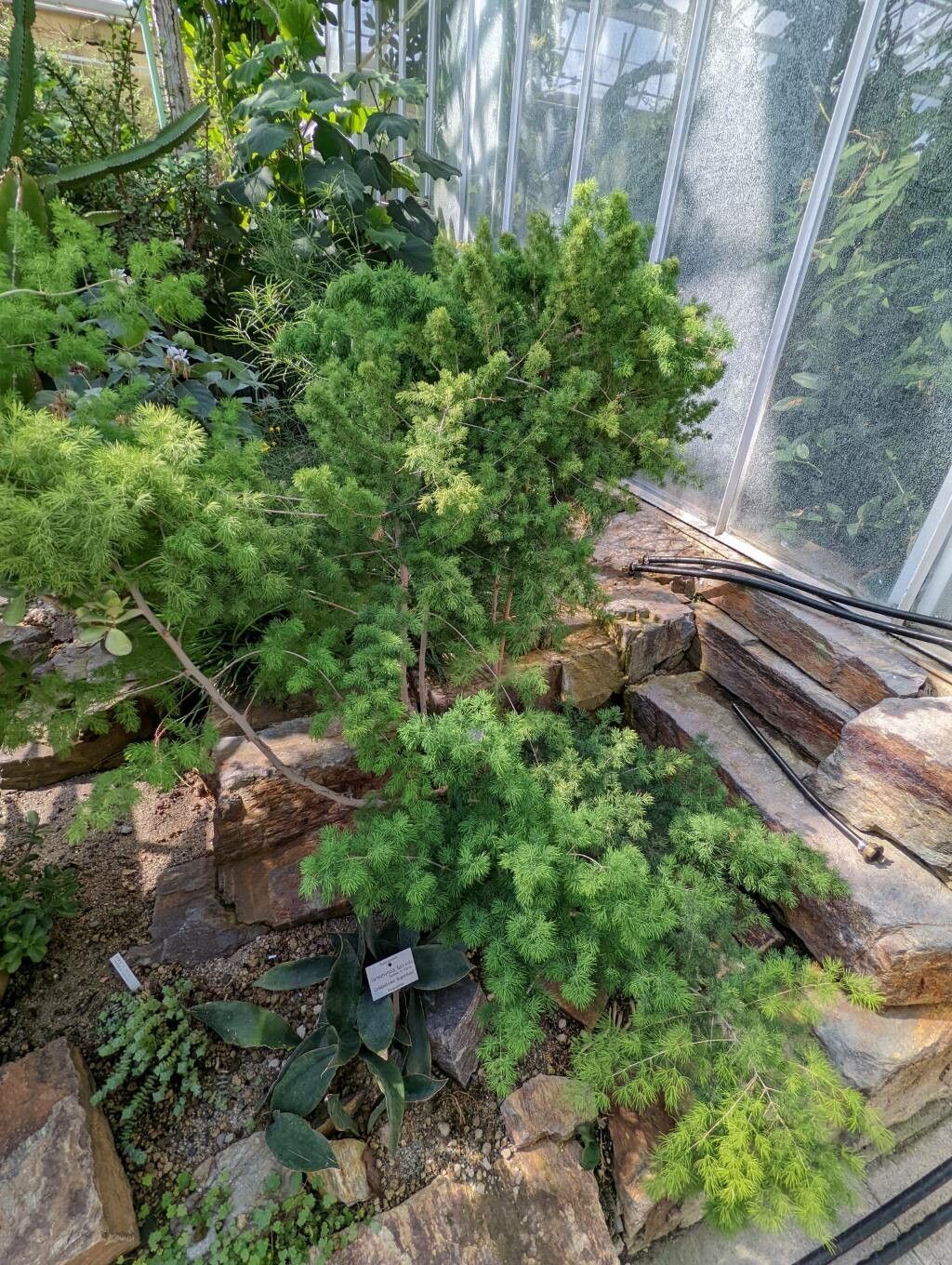
Taming the Wild Beauty: Propagating Your Own Asparagus Retrofractus
The Asparagus Retrofractus, also known as the Ming Fern or Asparagus Fern (though not a true fern!), is a captivating plant with its delicate, feathery foliage and unique, almost architectural, structure. Native to South Africa, this beautiful plant brings a touch of the wild indoors and adds a touch of drama to any space. While caring for an established Asparagus Retrofractus is relatively simple, propagating it can seem intimidating. Fear not, fellow plant enthusiasts! This guide will demystify the process and empower you to grow your own miniature Ming Fern forest.
Two Paths to Propagation:
Asparagus Retrofractus can be propagated in two ways: by division and by seed. Each method has its own pros and cons, so let’s explore them in detail:
1. Division: The Quick and Easy Route
Dividing an established plant is the fastest and easiest way to propagate Asparagus Retrofractus. This method involves separating the plant into smaller sections, each with its own roots.
When to Divide: Spring is the ideal time to divide your Asparagus Retrofractus, as the plant will be actively growing.
Step-by-Step Guide:
- Prepare your pots: Choose pots slightly larger than the divisions you’ll be creating. Use a well-draining potting mix.
- Gently remove the mother plant: Carefully lift the plant from its pot, loosening the soil around the roots.
- Identify natural divisions: Look for clusters of stems that are already partially separated.
- Divide the plant: Using a clean, sharp knife or your hands, carefully separate the plant into sections, ensuring each section has a good amount of roots attached.
- Pot your divisions: Plant each division in a prepared pot, ensuring the crown (where the roots meet the stems) is level with the soil surface.
- Water thoroughly: Water the newly potted divisions generously, allowing excess water to drain.
- Provide indirect light: Place your new plants in a bright location with indirect sunlight.
2. Seeds: A Test of Patience
Propagating Asparagus Retrofractus from seed is a rewarding, albeit slower, process. It’s a great option if you want to grow many plants or enjoy the satisfaction of nurturing a plant from its earliest stage.
Sourcing Seeds: You can harvest seeds from the small berries produced by mature plants (beware, these berries are mildly toxic) or purchase them online or at gardening centers.
Step-by-Step Guide:
- Soak the seeds: Soak the seeds in lukewarm water for 24 hours to improve germination rates.
- Prepare seed trays: Fill seed trays with a well-draining seed starting mix.
- Sow the seeds: Scatter the seeds evenly on the surface of the soil, then cover lightly with a thin layer of mix.
- Water gently: Mist the soil with a spray bottle to moisten it without dislodging the seeds.
- Provide warmth and humidity: Cover the tray with a humidity dome or plastic wrap to create a warm, humid environment. Place the tray in a brightly lit area, out of direct sunlight.
- Be patient: Germination can take anywhere from 3 weeks to several months. Keep the soil consistently moist but not waterlogged.
- Transplant seedlings: Once the seedlings have developed a few sets of true leaves, they can be carefully transplanted into individual pots.
No matter which method you choose, remember to be patient and attentive to your new plants. With proper care and attention, your Asparagus Retrofractus propagations will thrive, rewarding you with their delicate beauty for years to come!