
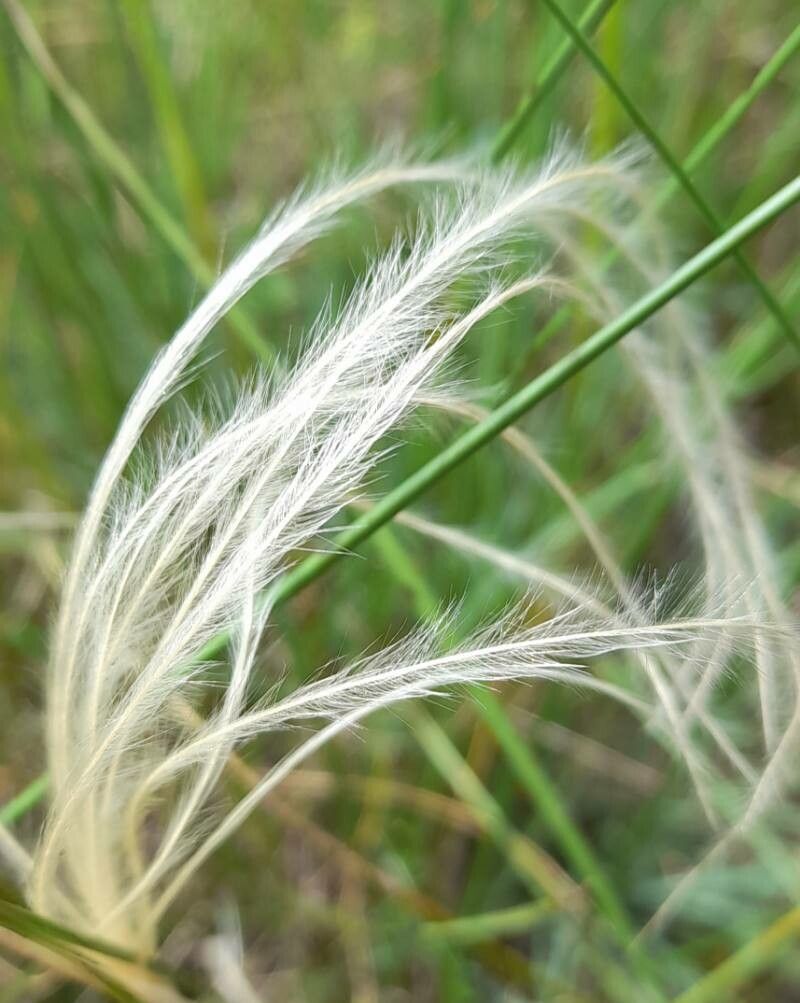
Unleash the Feather Grass: Propagating the Ethereal Stipa Pennata
Stipa pennata, more poetically known as feather grass or angel hair grass, is a mesmerizing ornamental grass that brings a touch of airy elegance to any garden. Its graceful, feather-like plumes sway gently in the breeze, catching the light and creating a truly captivating display. If you’re enchanted by this ethereal beauty and eager to expand its presence in your garden, propagation is your answer.
While purchasing established plants is always an option, propagating your own Stipa pennata can be an incredibly rewarding experience. Not only is it a budget-friendly way to increase your plant collection, but it also allows you to connect with the life cycle of this fascinating grass on a deeper level.
Two Roads to Propagation:
For Stipa pennata, you have two primary methods of propagation at your disposal:
- Division: This method involves carefully separating established clumps of feather grass into smaller sections, each with its own roots.
- Seed Sowing: This approach requires a bit more patience but can be incredibly satisfying. You’ll be nurturing brand new life from tiny seeds.
Division: The Clump Splitting Symphony
Dividing established Stipa pennata plants is the most straightforward and efficient propagation method, ensuring you end up with healthy, mature plants:
When to Divide: Early spring or autumn, when the weather is cool and moist, are ideal times for division. Avoid dividing during periods of extreme heat or drought.
The Division Waltz:
- Prepare the New Home: Select a suitable location for your divided plants, ensuring it receives at least 6 hours of sunlight daily and has well-drained soil.
- Unearth and Divide: Carefully dig up a mature clump, ensuring you get as much of the root system as possible. Using a sharp, clean knife or spade, slice through the root ball, dividing it into smaller sections. Each section should have a healthy amount of roots and shoots attached.
- Replant and Nurture: Replant the divisions at the same depth as they were originally growing. Water deeply after planting and continue to provide consistent moisture until the plants establish themselves.
Seed Sowing: A Symphony of Patience
While slightly more time-consuming, growing Stipa pennata from seed offers a unique sense of accomplishment:
When to Sow: Seeds can be started indoors 6-8 weeks before the last expected frost or sown directly outdoors after the danger of frost has passed.
The Seed Sowing Ballet:
- Prepare Seed Trays/Beds: Fill seed trays or prepare a garden bed with well-draining seed starting mix. Sow the seeds thinly and cover lightly with a fine layer of soil.
- Light and Moisture are Key: Place seed trays in a bright location, out of direct sunlight. Keep the soil consistently moist but not waterlogged.
- Transplant Time: Once seedlings have developed a strong root system and the weather has warmed up, harden them off and transplant them into their permanent locations outdoors.
A Few Parting Tips:
- Be patient! Stipa pennata seeds can take several weeks to germinate.
- Water newly planted divisions and seedlings regularly, especially during dry periods.
- Protect young plants from slugs and snails, who find their tender foliage irresistible.
By following these steps, you can successfully propagate Stipa pennata and fill your garden with these enchanting, feather-like grasses. It’s a journey of patience and reward, culminating in a symphony of swaying beauty that will grace your garden for years to come.