
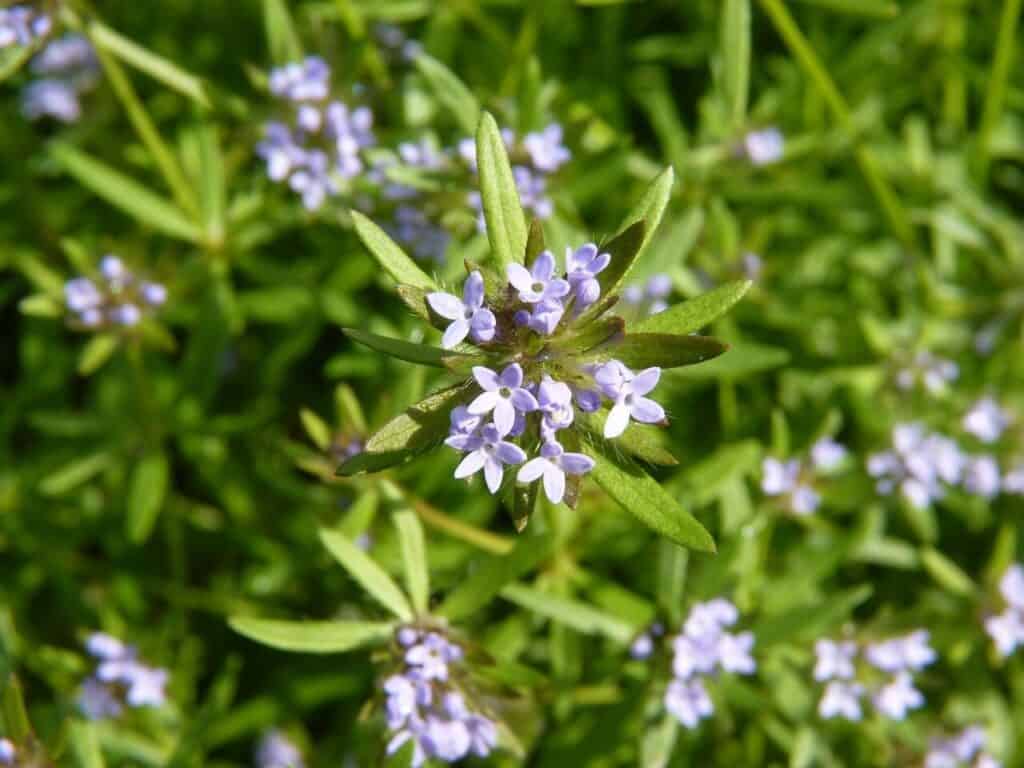
Blue Woodruff: Sowing the Seeds of Success
Blue woodruff (Asperula arvensis), with its charming blue blossoms and delicate star-shaped leaves, brings a touch of whimsical charm to any garden. But did you know that this easy-to-grow annual is surprisingly simple to propagate?
Whether you’re a seasoned gardener or just starting out, this guide will equip you with all the knowledge you need to successfully propagate Asperula arvensis and enjoy its vibrant blue hues year after year.
Two Paths to Propagation:
Asperula arvensis can be propagated through two main methods:
- Seeds: This method is popular due to its straightforwardness and high success rate.
- Cuttings: Taking cuttings offers a quicker route to established plants, allowing you to clone the characteristics of a specific plant.
Method 1: Sowing Seeds
Timing is Key:
- Outdoors: Sow seeds directly into your garden after the last frost in your region, typically in spring.
- Indoors: Starting seeds indoors 6-8 weeks before the last expected frost gives your Asperula arvensis a head start.
Sowing the Seeds:
- Prepare your soil: Choose a well-draining soil mix and a spot with partial shade to full sun.
- Sow the seeds: Scatter the seeds on the soil surface, lightly pressing them down. Asperula arvensis seeds need light to germinate.
- Water gently: Keep the soil consistently moist but not waterlogged.
- Patience is a virtue: Germination usually takes 14-21 days.
Method 2: Propagating from Cuttings
The Right Cut:
- Timing: Take cuttings in late spring or early summer from healthy, non-flowering stems.
-
Making the cut: Using a sharp, clean knife or shears, cut a 3-4 inch section of stem just below a leaf node.
Rooting Your Cuttings:
- Prepare the cutting: Remove the lower leaves from the stem, leaving 2-3 leaves at the top.
- Rooting hormone (optional): Dip the cut end in rooting hormone to encourage faster root development.
- Planting the cutting: Plant the cutting in a pot filled with a well-draining potting mix, burying the bottom node.
- Creating a humid environment: Cover the pot with a plastic bag or humidity dome to retain moisture.
- Patience is key: It can take several weeks for roots to develop. Once you notice new growth, you can transplant your cutting into a larger pot or directly into your garden.
Caring for Your Asperula Arvensis:
- Watering: Water regularly, allowing the soil to dry slightly between waterings.
- Sunlight: Plant in an area that receives partial shade to full sun.
- Fertilizer: While not strictly necessary, a light application of balanced fertilizer in the spring can encourage healthy growth.
Reap the Rewards:
With these simple propagation techniques at your fingertips, you can cultivate a beautiful and long-lasting display of Asperula arvensis. This charming blue flower will not only enhance your garden’s visual appeal but also attract beneficial pollinators, fostering a vibrant and thriving ecosystem. So why wait? Start propagating your Asperula arvensis today and enjoy the rewards of your efforts!