
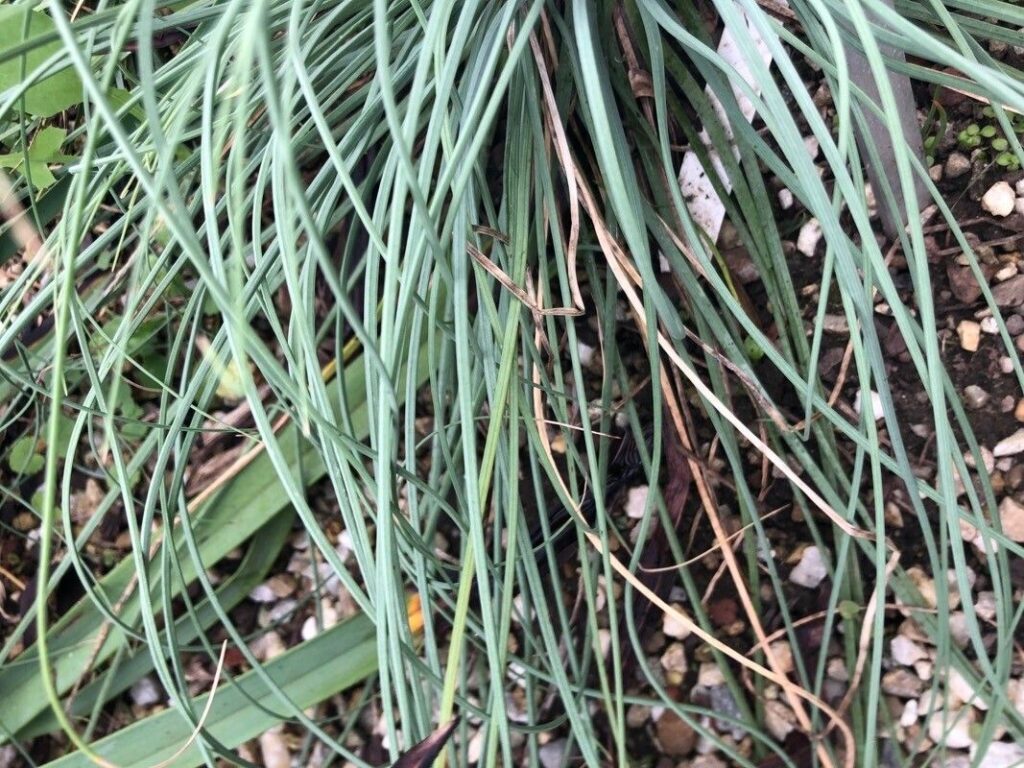
Propagating Asphodeline taurica: A Gardener’s Guide to the Yellow Asphodel
Asphodeline taurica, commonly known as the Yellow Asphodel, is a striking perennial native to the Mediterranean region. Characterized by its tall, elegant stems adorned with bright yellow, star-shaped flowers, and grassy foliage, it has gained popularity among gardeners for its drought tolerance, low-maintenance nature, and dramatic display in the late spring and early summer. While relatively easy to grow, propagating Asphodeline taurica can present some unique challenges. This article explores the various propagation methods, outlining their viability and offering practical advice for success.
Seed Germination:
Currently, there are no known reliable methods for seed germination propagation of Asphodeline taurica. While seeds may be produced, germination rates are notoriously low, even under carefully controlled conditions. Further research into specific germination requirements, such as light exposure, temperature, and potential stratification techniques, is needed before this method can be considered viable for the average gardener.
Cuttings:
Propagating Asphodeline taurica from cuttings is also generally unsuccessful. The plant does not readily root from stem or leaf cuttings, likely due to its physiology and the lack of readily available adventitious root formation points. Attempts using rooting hormones and different cutting techniques have yielded inconsistent results, making this method impractical for most gardeners.
Division:
Division is the most reliable and recommended method for propagating Asphodeline taurica. Established plants, ideally after several years of growth, can be carefully divided in early spring or autumn.
Challenges: The root system of Asphodeline taurica is relatively robust and can be difficult to separate without damaging the individual sections. Improper division can result in the death of the divided sections.
Practical Tips: Use a sharp, clean knife or spade to divide the clump, ensuring each section has a healthy portion of roots and foliage. Plant the divisions immediately in well-draining soil, watering gently to settle them in.
Rewards: Division offers the quickest and most reliable way to increase the number of Asphodeline taurica plants. It maintains the exact genetic characteristics of the parent plant.
Tissue Culture:
While tissue culture is a possibility for professional nurseries or those with access to specialized equipment and techniques, it’s not a practical method for the home gardener. The complexities and specialized lab conditions required make this method highly impractical for the average enthusiast.
Conclusion:
Propagating Asphodeline taurica presents significant challenges, primarily highlighting the limitations of seed germination and cutting propagation. Division remains the most successful and accessible method for the home gardener. While the rewards of successfully cultivating this striking plant are significant—the joy of nurturing a plant from a division and witnessing its vibrant bloom—the process demands patience, precision, and a willingness to embrace the inherent difficulties of propagation. Don’t be discouraged by initial setbacks. The successful propagation of Asphodeline taurica through careful division offers immense satisfaction, a testament to the gardener’s skill and dedication. Remember, start with a healthy, established plant and proceed with patience, and you’ll be well on your way to enjoying this beautiful Mediterranean native in your garden.