
Propagating Asphodelus albus: The White Asphodel’s Journey from Seed to Bloom
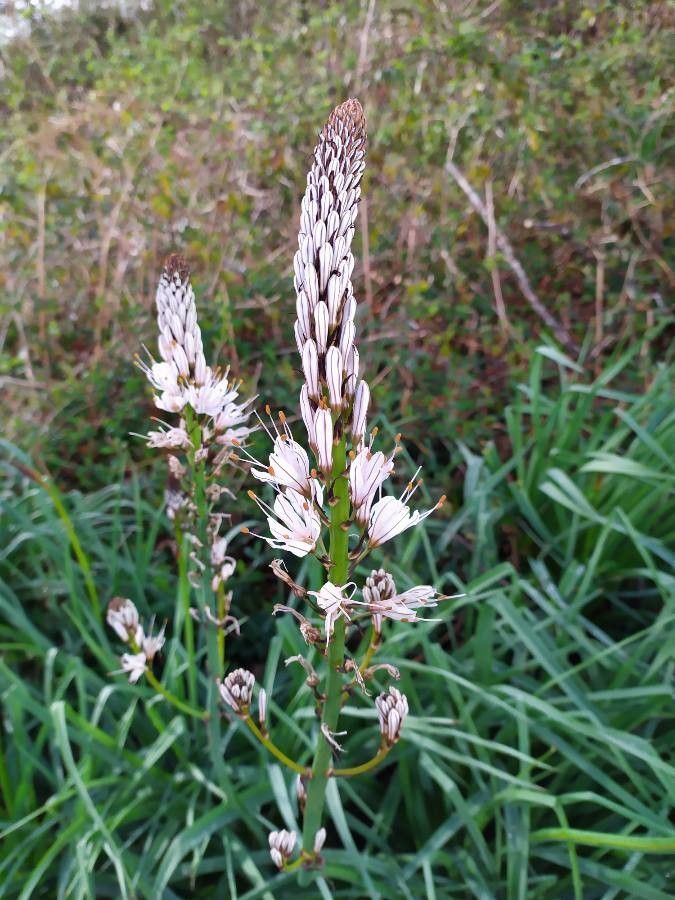
Asphodelus albus, commonly known as the White Asphodel, is a striking perennial plant with tall, elegant stems topped by clusters of small, white flowers. Its grassy foliage and dramatic flower spikes make it a popular choice among gardeners seeking a touch of Mediterranean flair in their landscapes. It boasts a rich history, featuring prominently in Greek mythology and literature, lending it a certain romantic allure. However, propagating this aesthetically pleasing plant presents unique challenges, making successful cultivation all the more rewarding.
Seed Germination:
Seed germination for Asphodelus albus is viable, but presents significant challenges. The seeds possess a hard seed coat, requiring scarification to improve germination rates. This can be achieved through mechanical methods such as gently nicking the seed coat with a file or sandpaper, or through chemical scarification using concentrated sulfuric acid (carefully—follow safety precautions!). Furthermore, seeds often benefit from a period of cold stratification. This involves placing the seeds in a moist medium (such as vermiculite) and storing them in a refrigerator at approximately 4°C (39°F) for 6-8 weeks before sowing.
Sowing should be done in a well-draining seed-starting mix, keeping the soil consistently moist but not waterlogged. Germination can be slow, taking several weeks or even months. The rewards, however, are significant: seed-grown plants offer greater genetic diversity compared to those propagated vegetatively, and this method allows for large-scale propagation if successful. Patience and persistence are key.
Cuttings:
Currently, there are no known reliable methods for propagating Asphodelus albus from cuttings. The plant does not readily root from stem or leaf cuttings.
Division:
Division is a relatively successful method for propagating Asphodelus albus. Established clumps can be carefully divided during the dormant season (autumn or late winter). Each division should contain a portion of the rhizome and several healthy leaves. Planting the divisions in well-drained soil and providing adequate moisture during establishment will increase their chances of survival. The rewards here lie in their speed and relatively high success rate compared to seed germination; it’s a relatively quick way to increase the number of plants. However, it doesn’t introduce new genetic variability. Care must be taken not to damage the rhizome during the division process.
Tissue Culture:
Tissue culture propagation of Asphodelus albus is technically possible but requires specialized laboratory equipment and expertise. This method offers the potential for rapid propagation and the production of disease-free plants, but it’s not a practical option for most home gardeners due to the high costs and specialized knowledge required.
Conclusion:
Propagating Asphodelus albus presents a unique set of challenges, with seed germination requiring patience and specific techniques, whilst division offers a simpler, albeit less diverse, path to success. Currently, cuttings and tissue culture are not viable options for most. The rewards, however, are substantial. The satisfaction derived from nurturing a tiny seed into a majestic White Asphodel or establishing successfully divided clumps is immense, a testament to perseverance and skill. While the journey may be challenging, the beauty and historical significance of this plant make the effort worthwhile. Aspiring propagators should start with division if possible, and if seeking genetic diversity, embrace the slow but rewarding process of seed germination, armed with the knowledge and patience necessary for success.