
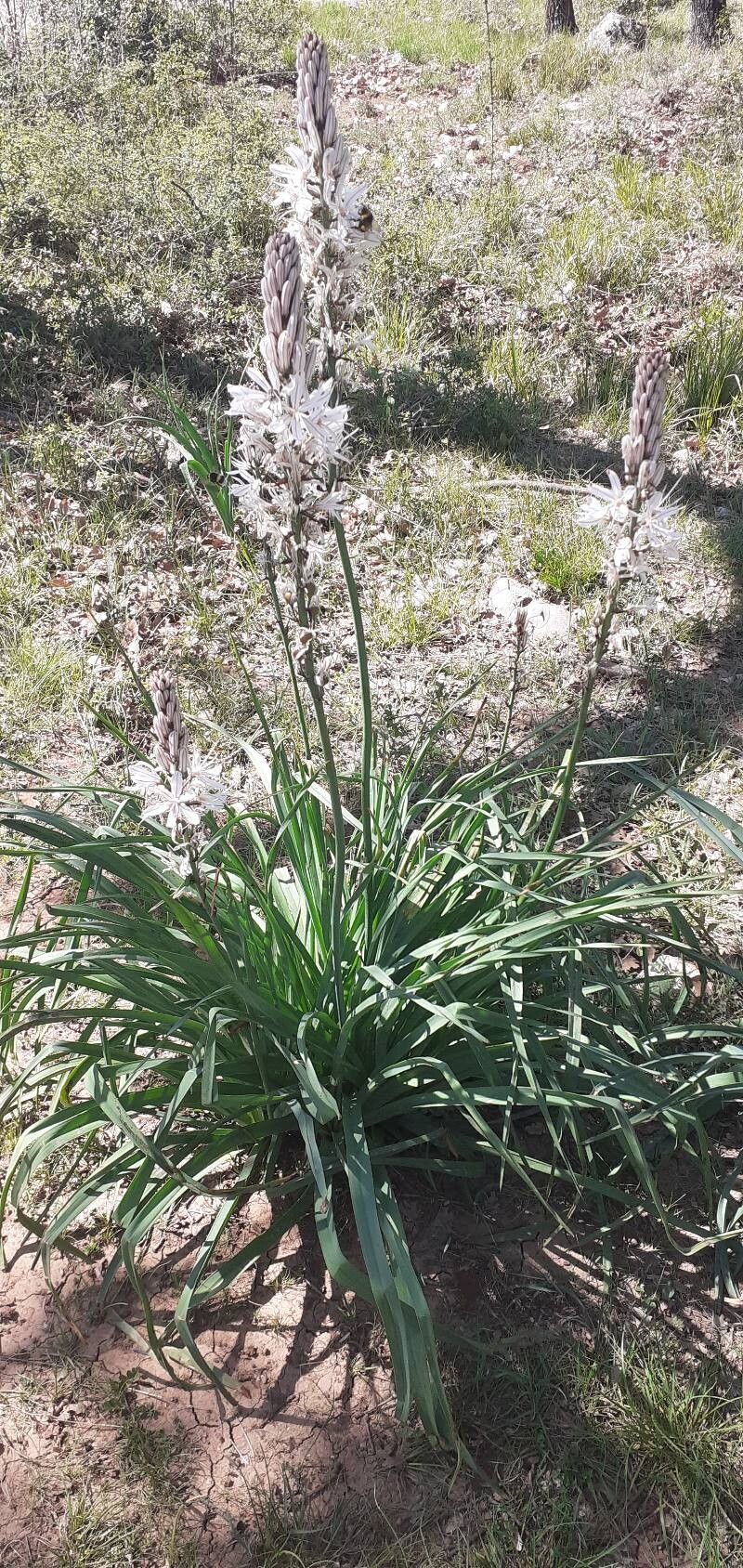
Propagating the Cherry Asphodel: A Gardener’s Guide to Asphodelus cerasifer
Introduction:
Asphodelus cerasifer, commonly known as the Cherry Asphodel, is a striking Mediterranean perennial prized for its elegant, slender leaves and charming clusters of delicate, rosy-pink flowers. Native to the Mediterranean region, this charming plant has gained popularity among gardeners for its drought tolerance and adaptability to various soil types. Its graceful appearance adds a touch of rustic elegance to borders, rock gardens, and even containers. However, propagating Asphodelus cerasifer can present certain challenges, making successful cultivation all the more rewarding. Understanding the various propagation methods and their associated difficulties is key to achieving success.
Seed Germination:
Seed germination for Asphodelus cerasifer is possible but can be unpredictable and slow. Challenges include low germination rates and a potentially long period before seedlings emerge.
Challenges: Seed dormancy is a significant hurdle. The hard seed coat can impede water absorption, delaying or preventing germination.
Practical Tips: Scarification (nicking the seed coat) followed by stratification (a period of cold, moist treatment) can improve germination rates. Sow seeds in a well-draining seed-starting mix, barely covering them with soil. Maintain consistently moist (but not waterlogged) conditions. Optimal germination temperatures are generally between 15-20°C. Patience is key; germination can take several weeks or even months.
Rewards: Successfully germinated seeds offer the opportunity to produce genetically diverse plants, ideal for larger-scale propagation and potential selection of superior cultivars.
Cuttings:
Currently, there are no known reliable methods for propagating Asphodelus cerasifer from cuttings. The plant’s physiology seems not to lend itself to this type of vegetative propagation.
Division:
Division is a relatively successful method for propagating Asphodelus cerasifer.
Challenges: The best time for division is during the plant’s dormant period, typically in late autumn or early spring. Care must be taken to avoid damaging the delicate roots. Each division should ideally contain a portion of the root crown and several established leaves.
Practical Tips: Carefully dig up the mature clump, gently separating it into smaller divisions using a sharp knife or spade. Ensure each division has a healthy root system and several shoots. Replant the divisions immediately in well-drained soil, spacing appropriately to allow for growth. Water thoroughly after planting.
Rewards: Division offers a quick and reliable method for increasing the number of plants while maintaining the genetic characteristics of the parent plant.
Tissue Culture:
While not commonly practiced by home gardeners, tissue culture offers a potentially highly efficient method for propagating Asphodelus cerasifer.
Challenges: Tissue culture requires specialized equipment, sterile environments, and knowledge of plant tissue culture techniques. This method is generally more complex and expensive than other methods.
Practical tips: Successful tissue culture involves selecting healthy plant material, preparing the explant (plant tissue), sterilizing it, and cultivating it in a nutrient-rich agar medium under controlled environmental conditions. This requires a significant investment in equipment and expertise.
Rewards: Tissue culture allows for rapid and large-scale propagation, producing numerous genetically identical plants from a small starting sample. It is also ideal for propagating plants with low seed germination success rates.
Conclusion:
Propagating Asphodelus cerasifer presents a unique blend of challenges and rewards. While seed germination can be unpredictable, division offers a more reliable, albeit more labor-intensive, method for home gardeners. Tissue culture offers the highest potential for large-scale propagation, but requires specialized knowledge and resources. The perseverance required to overcome these challenges is amply rewarded by the opportunity to cultivate and share the serene beauty of this delightful Mediterranean plant. For aspiring propagators, the journey – with its potential setbacks and eventual triumphs – forms a significant part of the overall satisfaction of successfully growing this charming species. Remember, patience and attention to detail are crucial to success, regardless of the chosen method.