
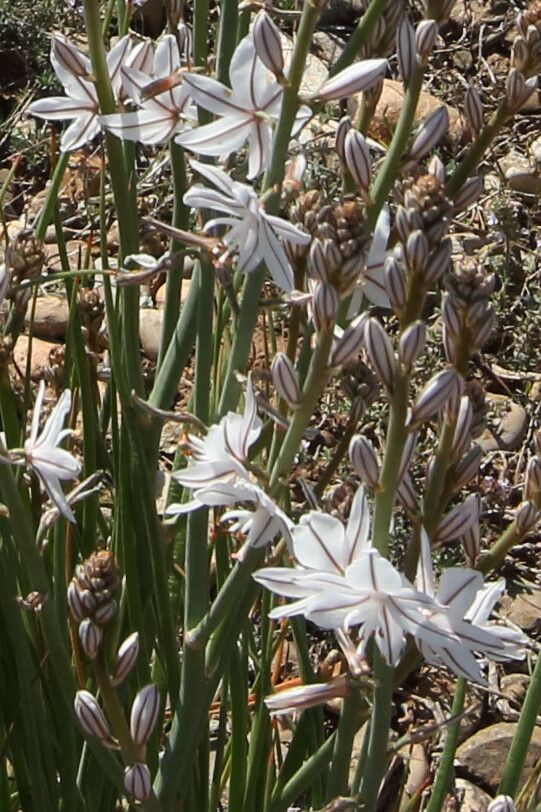
Unlocking the Secrets of the Asphodel: Propagating Asphodelus fistulosus
The Asphodelus fistulosus, also known as the “onion-leaved asphodel,” is a captivating plant with slender, grassy foliage and elegant white blooms. Its delicate beauty and ease of care make it a popular choice for gardens and landscapes. But did you know that you can easily create more of this stunning plant yourself?
This blog post will guide you through the fascinating world of Asphodelus fistulosus propagation, revealing the secrets to multiplying your collection and sharing this botanical treasure with your fellow plant enthusiasts.
The Magic of Division
One of the most common and successful methods of propagating Asphodelus fistulosus is through division. This technique involves separating a mature clump into individual plants. Here’s how to do it:
- Timing is key: The best time to divide Asphodelus fistulosus is during the fall or early spring while the plant is dormant.
- Prepare the ground: Choose a well-drained area with ample sunlight. Amend the soil with compost or other organic matter to improve drainage and provide nutrients.
- Dig and divide: Carefully dig up the entire clump using a garden fork. Gently separate the plant into individual sections, each with a healthy root system and several shoots.
- Plant and water: Replant the divisions in prepared beds, spacing them about 12-18 inches apart. Water thoroughly after planting.
Harnessing the Power of Seeds
While division provides a quicker route to new plants, Asphodelus fistulosus also readily reproduces from seeds. Here’s the process:
- Collect seeds: After the flowering period, the plant will produce seed pods. Harvest these pods when they are dry and brown.
- Sowing the seeds: Sow the seeds directly into the garden bed in the fall or early spring. Cover the seeds lightly with soil and keep the soil moist.
- Patience is key: Asphodel seeds can take several weeks to germinate. Exercise patience and provide consistent moisture to the seedlings.
Tips for Success
- Water wisely: Asphodelus fistulosus prefers dry conditions and can be prone to rotting if overwatered. Allow the soil to dry out slightly between waterings.
- Fertilize sparingly: While these plants appreciate a boost of fertilizer, avoid excessive feeding. Too much fertilizer can encourage foliage growth at the expense of flowering.
- Protect against frost: While Asphodelus fistulosus is relatively frost-tolerant, it’s wise to provide some protection during particularly cold winters.
The Rewards of Propagation
Propagation provides a rewarding experience, allowing you to grow your own collection of these captivating plants. It’s a great way to share your passion with others, gifting friends and family with the beauty of the Asphodelus fistulosus or adding a touch of elegance to your own landscape. So, embrace the magic of propagation and unlock the secrets of this unique and beautiful plant.