
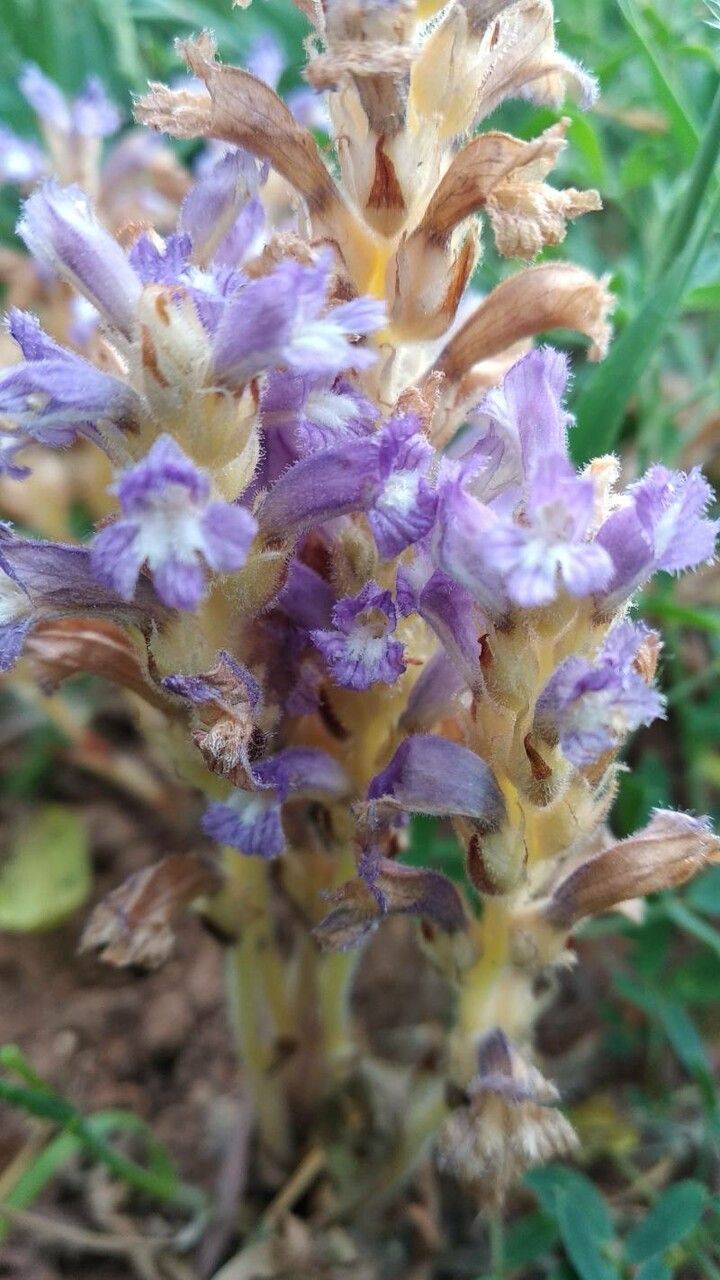
The Curious Case of Broomrape: Why You Don’t Want to Propagate Orobanche resedarum
Forget seeds and cuttings, forget even trying to divide a plant! Orobanche resedarum, commonly known as Broomrape, is a parasitic plant that thrives on the misfortune of others. That’s right, unlike your friendly neighborhood tomato plant, this one doesn’t bother with photosynthesis or making its own food. Instead, it taps into the roots of its host plant, stealing nutrients and energy to survive.
But wait, if it relies on its host for survival, can’t we just…propagate it? The answer is a resounding no, and here’s why.
Broomrape: A sneaky thief in the plant world
This parasitic weed isn’t known for its beauty. It lacks chlorophyll, giving it a pale, yellowish-white appearance. The root system is highly specialized, connecting directly to the vascular system of its unsuspecting host. This access to the host’s resources allows it to quickly grow and spread, forming dense colonies that can severely impact the host’s health and even lead to death.
A threat to agriculture and ecosystems
Imagine this: You’ve carefully nurtured your tomato plants, providing them with water, sunlight, and love. Then, Broomrape arrives, silently infiltrating your garden, sucking the life out of your once-thriving crop. This is precisely the scenario that makes broomrape such a dreaded pest in agricultural settings. It readily parasitizes a wide range of crops, including:
- Legumes: Peas, beans, and lentils
- Tomatoes
- Sunflowers
- Vines: Grapes and melons
- Clover
- Lettuce
The damage extends beyond gardens, however. Broomrape infestation can devastate natural ecosystems. It attacks a variety of wild plants, including orchids, endangering biodiversity and disrupting delicate ecological balances.
Why propagation is a bad idea
So, why would anyone even consider propagating Broomrape? Aside from the obvious danger to your garden and the environment, here are a few reasons:
- No benefits: Broomrape offers no beneficial qualities. Unlike many other plants, it doesn’t produce useful flowers, fruits, or medicinal properties.
- Harmful to the environment: Spreading it intentionally would only increase its invasive nature, further jeopardizing vulnerable plant life and potentially disrupting fragile ecosystems.
- Unnecessary risk: With a myriad of non-parasitic plants to choose from, there’s simply no need to risk introducing such a destructive weed.
Prevention is key:
If your heart is set on growing beautiful and beneficial plants, focus on propagation methods for those that offer a positive contribution to our environment. Instead of engaging in the propagation of Orobanche resedarum, consider:
- Choosing resistant varieties: Many crops have been bred for resistance to certain pests, including Broomrape.
- Soil sanitation: Thoroughly clean gardening tools and equipment to prevent accidental spread.
- Early detection: Regularly inspect your plants for signs of infestation and take immediate action if you find any.
While the plant world is full of fascinating and diverse species, some, like Broomrape, pose a serious threat to our gardens and ecosystems. It’s best to admire their unique biology from afar and focus our efforts on nurturing and propagating plants that benefit our world.