
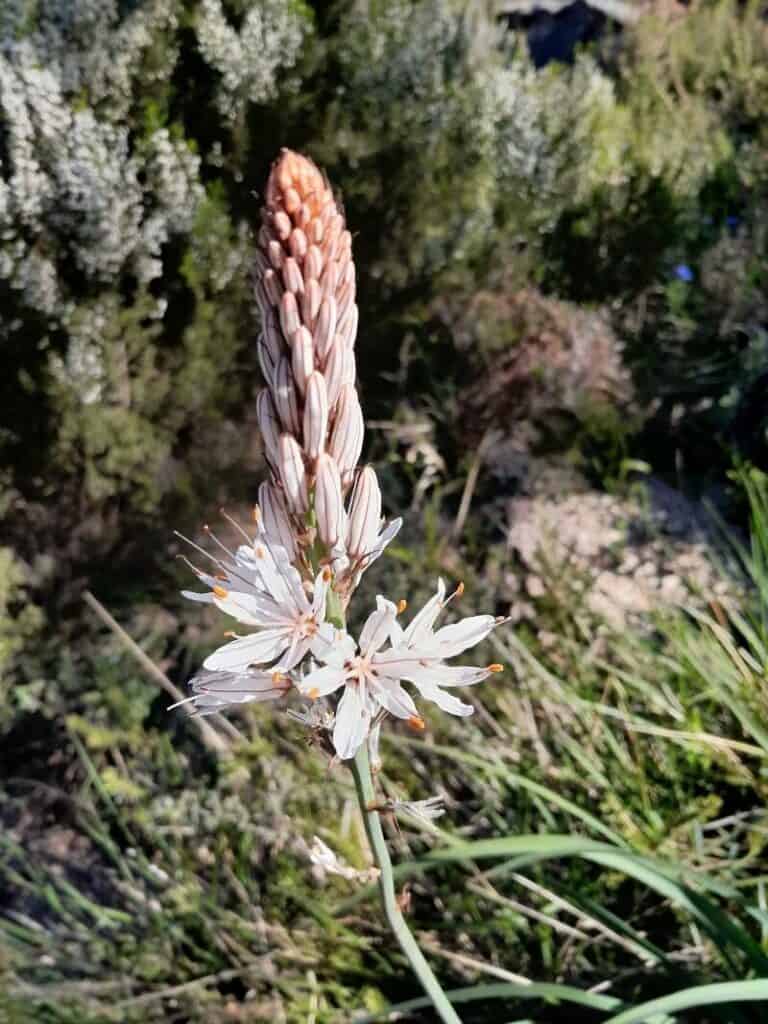
Unleash the Lily of the Dead: Propagating Asphodelus lusitanicus
Asphodelus lusitanicus, also known as the White Asphodel, is a striking perennial known for its tall stalks of elegant, white flowers that add drama and vertical interest to gardens. While often associated with death and the underworld in Greek mythology (earning it the nickname "Lily of the Dead"), this Mediterranean native brings anything but gloom to the garden. And the best part? Propagating Asphodelus lusitanicus is surprisingly straightforward, allowing you to easily multiply your stock and share its unique beauty.
Two Paths to Asphodel Abundance:
Asphodelus lusitanicus readily multiplies through two main methods:
-
Seed Propagation: For those who enjoy the journey from seed to bloom, Asphodelus lusitanicus doesn’t disappoint.
- Timing is Key: Collect the papery seed pods after the flowers fade in late spring or early summer.
- Sowing Know-How: Sow the seeds directly into the ground in fall or start them indoors 6-8 weeks before the last frost. These seeds benefit from a period of cold stratification, so consider mimicking winter conditions by placing them in a moist paper towel inside the refrigerator for a few weeks before planting.
- Patience is a Virtue: Germination can be erratic, taking anywhere from a few weeks to several months.
-
Division: For quicker results and mature plants, division is the way to go.
- When to Divide: Divide established clumps in early spring or fall.
- Digging Deep: Carefully dig around the plant, ensuring you don’t damage the fleshy roots.
- Separation Anxiety? None Here! Use a sharp knife or garden spade to separate the plant into sections, ensuring each division has a good amount of roots attached.
- Replanting: Replant the divisions immediately at the same depth they were originally growing, water well, and watch them thrive.
Tips for Success:
- Well-Drained Soil is a Must: Asphodelus lusitanicus thrives in well-drained soil. If your soil is heavy clay, amend it with compost or other organic matter to improve drainage.
- Sun Worshipper: Position your Asphodelus lusitanicus in a spot that receives full sun or partial shade for optimal flowering.
- Water Wisely: While drought-tolerant once established, regular watering, especially during dry spells, helps the plants establish strong root systems and produce abundant blooms.
- Minimal Care, Maximum Impact: Besides occasional watering and deadheading spent flower stalks (which encourages more blooms!), Asphodelus lusitanicus are generally low-maintenance plants.
- A Note of Caution: Asphodelus lusitanicus contain toxins that can be harmful if ingested, so it’s best to admire them from a distance and keep them away from pets and curious children.
Adding Drama to your Garden:
With its architectural form, elegant blooms, and fascinating history, Asphodelus lusitanicus adds a unique touch to any garden. Whether planted in groups to create a dramatic statement, tucked amongst other perennials in a mixed border, or even showcased in a container, the "Lily of the Dead" is surprisingly simple to propagate, ensuring that its beauty continues to grace gardens for generations to come.