
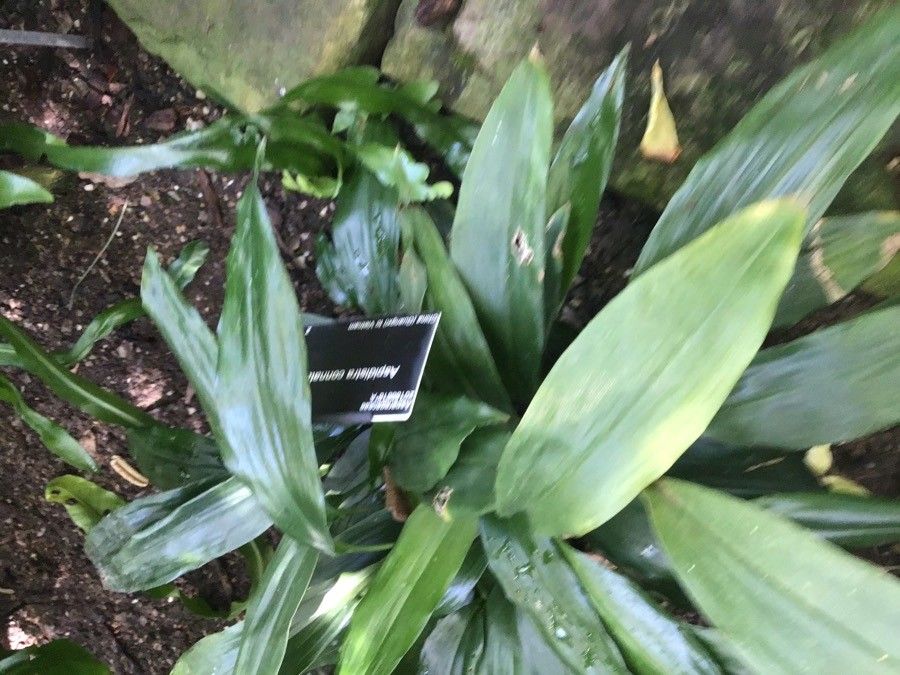
Propagating the Cast-Iron Plant: A Guide to Aspidistra connata
Aspidistra connata, commonly known as the Cast-Iron Plant, is renowned for its exceptional resilience and tolerance to neglect. This makes it a popular choice for both novice and experienced gardeners, thriving even in low-light conditions and tolerating a wide range of temperatures. Its robust nature, however, extends to a relative difficulty in propagation. While not impossible, increasing the number of Aspidistra connata plants requires patience, precision, and a thorough understanding of the best methods.
Seed Germination:
Currently, there are no known reliable methods for seed germination propagation of Aspidistra connata. While the plant does produce seeds, germination rates are extremely low, if any at all, under typical horticultural conditions. Further research into specific germination requirements is needed before this could become a viable method.
Cuttings:
Propagating Aspidistra connata from cuttings is also largely unsuccessful. The plant’s physiology doesn’t readily lend itself to root formation from stem or leaf cuttings. Attempts have proven largely fruitless, with very low success rates and often resulting in rotting before root initiation.
Division:
Division offers the most reliable method for propagating Aspidistra connata. This involves carefully separating the rhizomes (underground stems) into sections, each containing several healthy roots and shoots.
Challenges: The main challenge lies in ensuring each division has sufficient root mass to support its growth. Damaging the rhizomes during separation can lead to rotting and failure.
Practical Tips: The best time to divide is during the spring or early summer. Use a sharp, clean knife or spade to divide the rhizomes, aiming for sections with at least 3-5 healthy leaves and a well-established root system. Allow the cut surfaces to callous over for a day or two before planting. Plant the divisions in well-draining potting mix, ensuring the crown (where the leaves emerge) is at or just slightly below the soil surface.
Rewards: Division offers a relatively high success rate compared to other methods, allowing for rapid increase in plant numbers. It also maintains the exact genetic characteristics of the parent plant.
Tissue Culture:
Tissue culture offers a potential, albeit more technically demanding, method for propagating Aspidistra connata. This laboratory-based technique involves growing plant tissues in a sterile nutrient medium.
Challenges: Establishing sterile conditions and maintaining a suitable nutrient medium for successful growth and multiplication of plant tissues requires specialized equipment and knowledge. This method is not easily achievable for the home gardener.
Practical Tips: This method requires a specialized laboratory setting and is best left to professional plant tissue culture facilities.
Rewards: Tissue culture allows for rapid multiplication of plants and the production of disease-free planting material. It also opens avenues for genetic improvement.
Conclusion:
Propagating Aspidistra connata presents significant challenges. While division offers the most realistic method for home gardeners, it demands careful technique to avoid damaging the rhizomes. Seed germination and cuttings prove largely ineffective. Tissue culture is a viable option for large-scale propagation but requires significant resources and expertise. The rewards, however, are well worth the effort for those seeking to increase their number of these hardy and aesthetically pleasing plants. The quiet satisfaction of nurturing a division into a thriving specimen, having overcome the inherent difficulties of propagation, speaks volumes about the special bond between gardener and plant. Don’t be discouraged by the challenges; persistent patience combined with the right technique offers aspiring propagators a rewarding journey.