
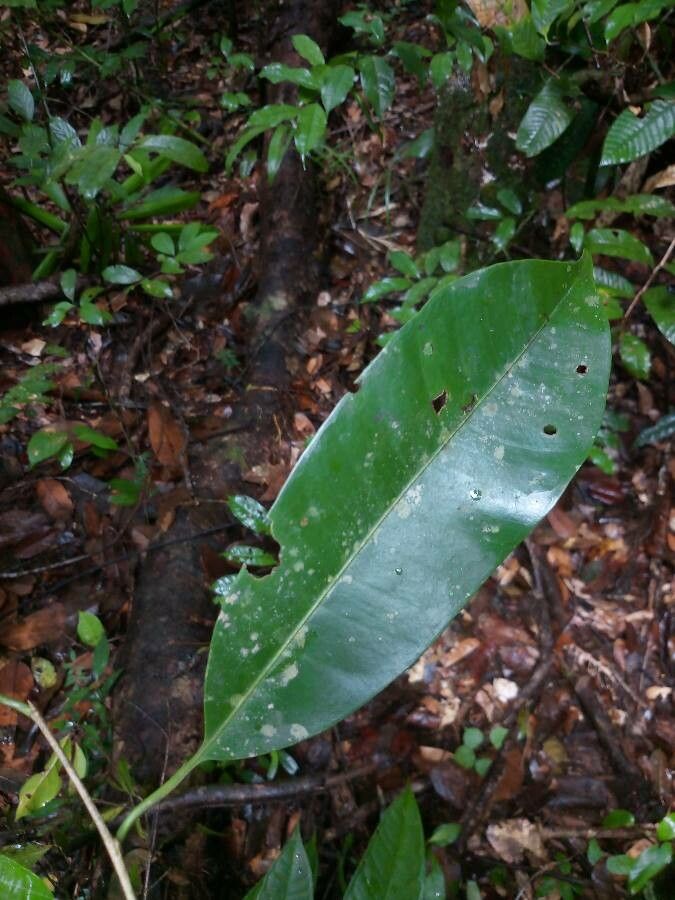
Propagating Aspidosperma excelsum: A Guide to the Pereiro
Aspidosperma excelsum, commonly known as Pereiro, is a majestic tree native to South America, prized for its striking appearance and valuable timber. Its tall, slender form, dense foliage, and attractive bark make it a highly desirable addition to larger gardens and landscapes, though its size necessitates careful planning. While relatively infrequent in cultivation outside its native range, its unique characteristics and potential as a sustainable timber source have increased interest in its propagation amongst horticulturists. However, propagating Pereiro presents several challenges, as we will explore below.
Seed Germination:
Currently, there are no known reliable methods for seed germination propagation of Aspidosperma excelsum. While seeds may be produced, their viability is often low, and germination rates are reported to be exceptionally poor. The specific factors inhibiting germination remain largely unstudied, posing a significant obstacle to this propagation method.
Cuttings:
Propagating Aspidosperma excelsum from cuttings presents a more promising, though still challenging, avenue. The success rate hinges heavily on several factors:
-
Challenges: Pereiro is a relatively large, woody tree, so the success of cuttings depends heavily on the quality and timing of the cutting. Hardwood cuttings taken from mature but not overly old growth during the dormant season may have higher success rates. The optimal time for taking cuttings would need to be experimented with based on local climate. Root hormone application and maintaining high humidity are crucial.
-
Practical Tips: Use a sharp, sterile knife or shears to take semi-hardwood or hardwood cuttings of approximately 10-15cm in length. Remove lower leaves to prevent rot. Use a rooting hormone and plant the cuttings in a well-draining potting mix under high humidity (e.g., using a propagation dome or plastic bag). Consistent warmth and indirect light are also important.
- Rewards: Successful propagation from cuttings offers a faster route to a larger plant compared to seed propagation (if seed propagation were viable). However, it retains the genetic limitations of the parent plant.
Division:
Division is not a feasible method for propagating Aspidosperma excelsum. This tree’s extensive root system and single-stem structure make division impractical and highly damaging to the plant.
Tissue Culture:
Tissue culture offers the most promising, albeit technically demanding, method for propagating Aspidosperma excelsum.
-
Challenges: Establishing sterile cultures from Pereiro tissue requires specialized equipment and aseptic techniques. Finding the optimal media composition and growth regulators for shoot multiplication and root development is a significant research undertaking. This method demands considerable expertise and investment.
-
Practical Tips: This propagation method requires a controlled laboratory environment. Finding suitable explant material (e.g., nodal segments) is essential. The culture medium must include appropriate plant growth regulators, macronutrients, and micronutrients. Regular sub-culturing is necessary to maintain healthy cultures.
- Rewards: Tissue culture offers the potential for mass propagation, producing genetically uniform plants ideal for large-scale planting, reforestation, or commercial timber production. It also offers a method for producing disease-free plants.
Conclusion:
Propagating Aspidosperma excelsum presents various hurdles across all methods. Seed germination appears currently unviable, while cuttings pose moderate difficulties, requiring optimal conditions and techniques for reasonable success rates. Division is completely unsuitable. Tissue culture, although complicated and costly, offers the greatest potential for large-scale propagation and is likely the most promising route to widespread cultivation.
The satisfaction of successfully propagating this magnificent tree comes not merely from the plant itself, but from overcoming the biological challenges this species presents. The patience, attention to detail, and sometimes experimentation required to achieve propagation are immensely rewarding, making the eventual success a testament to the cultivator’s skill and dedication. If you are drawn to the challenge, persistence paired with careful observation and adaptation to specific environmental and plant conditions will greatly increase your odds of success.