
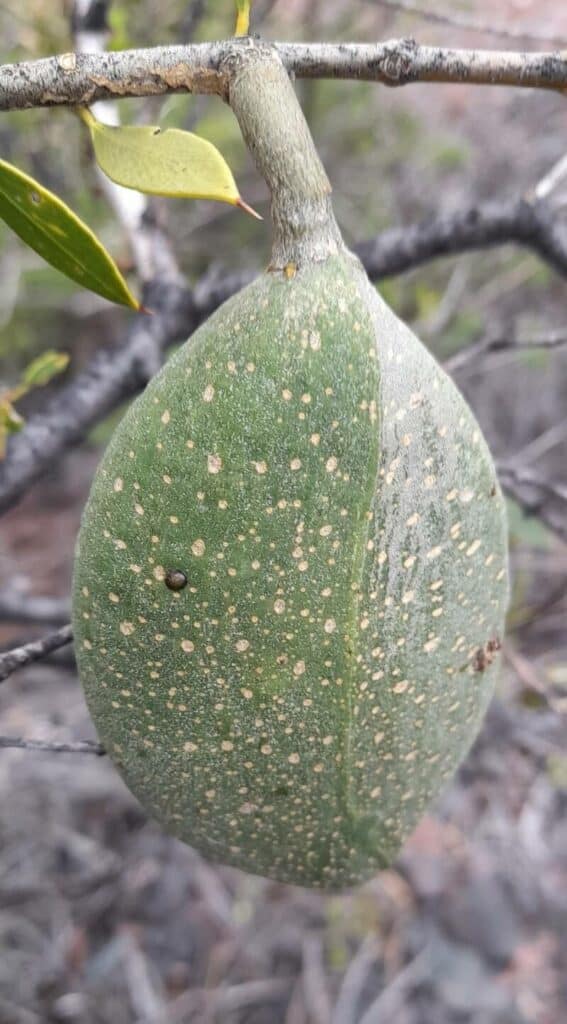
Cracking the Quebracho Code: A Guide to Propagating the Mighty Aspidosperma
The Aspidosperma quebracho, also known simply as the quebracho tree, is a majestic South American giant, renowned for its strength and resilience (the name "quebracho" literally translates to "axe-breaker" in Spanish!). While it’s more commonly recognized for its incredibly hard wood and medicinal properties, growing a quebracho tree from scratch can be a rewarding challenge for dedicated plant lovers. So, let’s delve into the world of quebracho propagation and discover the secrets to cultivating this impressive species.
Seed Propagation: A Test of Patience
The most common method of propagating Aspidosperma quebracho is through seeds, but be warned, this is not a project for the impatient gardener. Here’s a step-by-step guide:
-
Seed Sourcing: Finding viable quebracho seeds can be tricky. Your best bet is to source them from reputable online vendors specializing in exotic tree seeds or connect with botanical gardens that might offer seed exchanges.
-
Seed Preparation: Quebracho seeds have a hard seed coat that requires scarification to encourage germination. Gently nick or sand the seed coat, taking care not to damage the embryo inside. Soaking the seeds in warm water for 24 hours after scarification can further improve germination rates.
-
Sowing the Seeds: Plant the scarified and soaked seeds about 1-2 cm deep in a well-draining seed starting mix. Keep the soil consistently moist but not waterlogged.
- Patience is Key: Germination can take anywhere from a few weeks to several months. Providing a warm and humid environment (think bottom heat and humidity domes) can help speed things up.
Vegetative Propagation: A Faster, Less Certain Route
While less common and generally less successful than seed propagation, Aspidosperma quebracho can also be propagated through cuttings:
-
Timing is Everything: Take cuttings from healthy, semi-hardwood branches during the early growing season.
-
Cutting Preparation: Select branches that are 10-15 cm long and remove the lower leaves. Dip the cut end in rooting hormone to increase the chances of success.
- Planting and Care: Plant the treated cuttings in a well-draining potting mix and keep them consistently moist. Providing bottom heat and humidity can significantly improve the success rate.
Nurturing Your Quebracho: Tips for Success
Whether you choose seed or cutting propagation, remember these tips for nurturing your Aspidosperma quebracho:
-
Well-Draining Soil: Quebracho trees are native to arid regions and are highly susceptible to root rot in poorly draining soil.
-
Ample Sunlight: These trees thrive in full sun, so provide at least 6 hours of direct sunlight per day.
-
Watering Wisely: While young seedlings require regular watering, established trees are quite drought-tolerant. Allow the soil to dry out slightly between waterings.
- Patience is Paramount: Be prepared for a long-term commitment. Quebracho trees are notoriously slow-growing, taking several years to reach a substantial size.
The Joys of Cultivating the "Axe-Breaker"
Propagating Aspidosperma quebracho is not for the faint of heart, but the rewards are well worth the effort. With patience, dedication, and a bit of luck, you can witness the remarkable journey of this South American giant from seed to sturdy tree, ultimately adding a unique and powerful element to your landscape.