
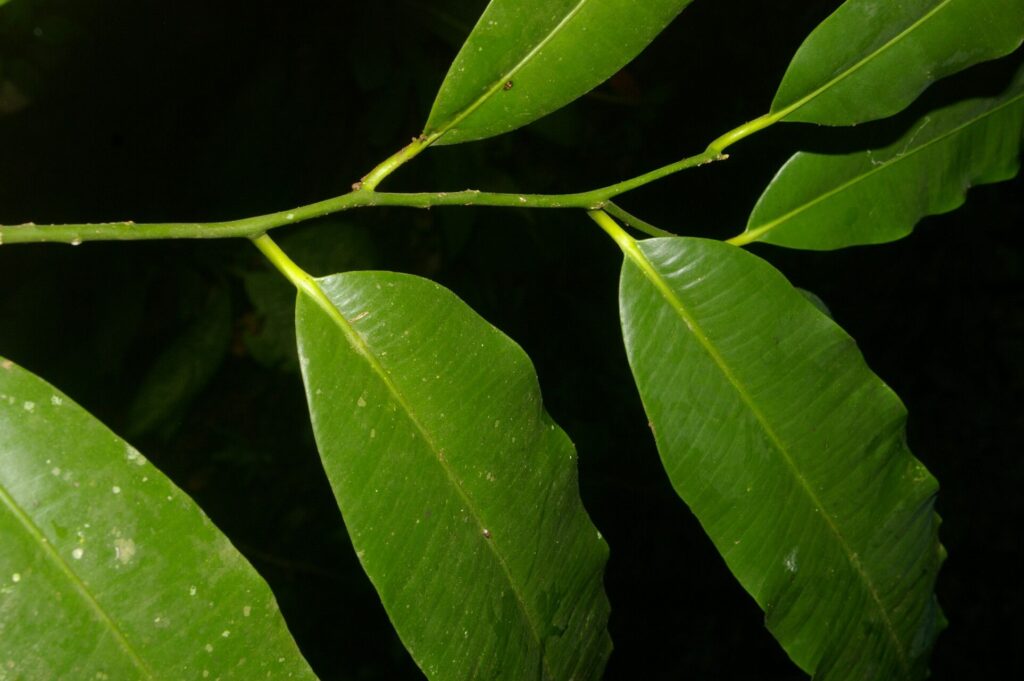
Propagating Aspidosperma spruceanum: A Challenging but Rewarding Endeavor
Aspidosperma spruceanum, commonly known as the Peroba-do-campo, is a remarkable tree native to the Amazon rainforest. Characterized by its striking smooth grey bark, attractive foliage, and potential for substantial size, it holds a certain allure for horticulturists and conservationists alike. Its robust nature and medicinal properties add to its appeal, although its propagation presents significant challenges. This article explores various methods of propagating this intriguing species, weighing their successes and difficulties.
Seed Germination:
Currently, there are no known reliable methods for seed germination propagation of Aspidosperma spruceanum. While seeds may be produced, germination rates are extremely low, likely due to a combination of factors including dormancy mechanisms and specific environmental requirements that remain largely unknown. Further research into seed pretreatment techniques, such as stratification or scarification, is needed to explore the potential of seed propagation for this species.
Cuttings:
Propagating Aspidosperma spruceanum from cuttings is also challenging but shows slightly more promise than seed germination. The main hurdles involve the low rooting success rate, even when using rooting hormones and specialized propagation techniques.
- Challenges: The thick, woody nature of the stems makes it difficult for cuttings to root readily. Furthermore, fungal infections can be a major problem during the rooting phase. The optimal timing for taking cuttings (seasonality) needs further investigation.
- Practical Tips: Semi-hardwood cuttings taken in late summer or early autumn might offer the best chances. Using a rooting hormone (e.g., IBA) is crucial, and a humidity dome or mist propagation system can significantly improve rooting success. A well-draining propagation mix is essential to prevent fungal growth.
- Rewards: Successfully rooted cuttings offer a faster route to a mature plant compared to seedlings (if seedling propagation becomes feasible). Vegetative propagation maintains the genetic characteristics of the parent plant.
Division:
Division is not a viable propagation method for Aspidosperma spruceanum. This tree possesses a large, deep taproot system, making division impractical and highly damaging to the plant.
Tissue Culture:
Tissue culture offers the highest potential for successful propagation of Aspidosperma spruceanum. However, this method requires specialized equipment, aseptic techniques, and a detailed understanding of plant tissue culture protocols.
- Challenges: Establishing aseptic cultures from Aspidosperma spruceanum tissues can be difficult. Finding the optimal culture media and growth regulators (phytohormones) to stimulate shoot and root development requires significant experimentation and knowledge. Scale-up from laboratory-level propagation to broader production can be expensive and complex.
- Practical Tips: Collaboration with experienced tissue culture laboratories or horticultural research institutions is highly recommended. This method requires investment in equipment and supplies, training, and adherence to sterile procedures.
- Rewards: Tissue culture offers the potential for rapid and large-scale propagation, preserving genetic uniformity, and facilitating the production of disease-free plants. This is by far the most promising method for future conservation efforts and broader horticultural application.
Conclusion:
Propagating Aspidosperma spruceanum presents considerable challenges across all explored methods. While seed germination and cuttings are currently not reliable techniques, tissue culture holds the most promising future for successful large-scale propagation. The rewards, however, are significant: the chance to conserve this remarkable species, share its beauty with a wider audience, and potentially unlock its full horticultural and medicinal potential. For aspiring propagators, perseverance and a dedication to learning advanced techniques, particularly in tissue culture, are essential. The unique satisfaction gained from cultivating this challenging species will be well deserved, a testament to your skill and dedication. The journey may be arduous, but the accomplishment of propagating this beautiful Amazonian tree will be immensely rewarding.