
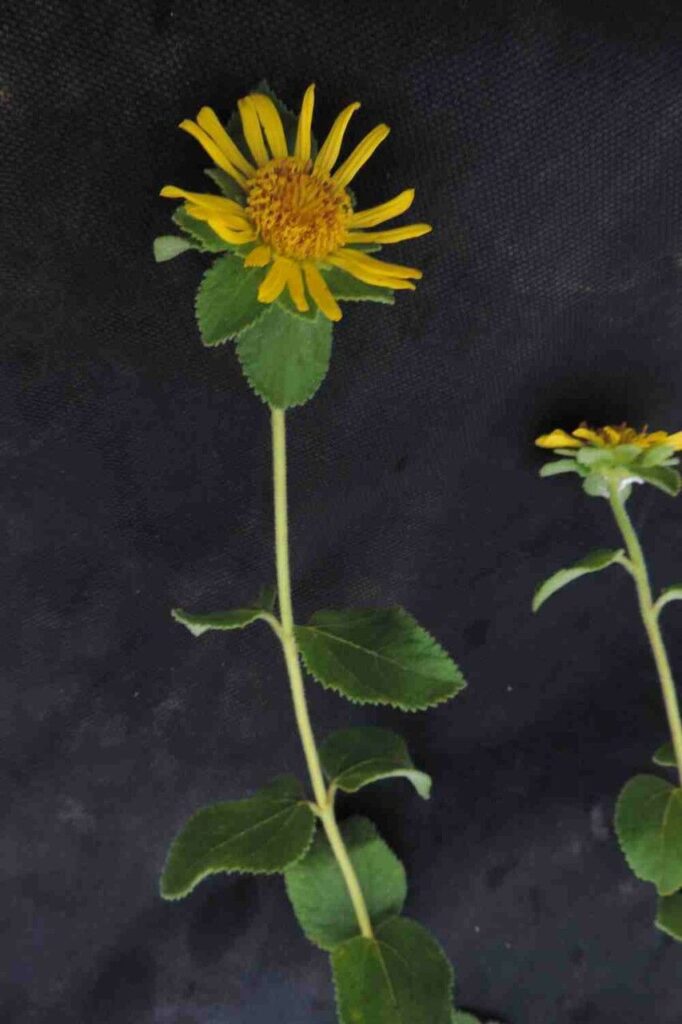
From One to Many: Unlocking the Secrets of Aspilia platyphylla Propagation
Aspilia platyphylla, with its vibrant yellow blooms and medicinal properties, has gained popularity among plant enthusiasts. But if you want to enjoy its beauty and benefits in multiple locations, understanding propagation is key. Luckily, this resilient plant offers several easy methods to multiply your Aspilia stock.
The Power of Seeds:
Aspilia platyphylla produces seed readily after flowering. Harvesting these seeds is the most basic, yet effective, propagation method. Once the flowers fade and the seedheads turn brown, carefully collect them. These seeds are remarkably hardy and can be stored in a cool, dry place for months before planting.
To sow your Aspilia seeds, simply spread them lightly on top of well-draining soil. Lightly press them in and keep the soil consistently moist. Germination typically occurs within two weeks, but can take up to a month. Keep your seedlings in a bright spot, but avoid direct sunlight, until they are established, at which point they can be carefully transplanted.
Stem Cuttings: A Simple and Effective Choice
For a faster propagation method, stem cuttings are ideal. Choose healthy stems from mature plants, ensuring they are at least 4-6 inches long. Make a clean cut with a sharp knife or pair of scissors, just below a node (where leaves grow from the stem).
Remove any leaves from the bottom inch or two of the stem, as these will be submerged in your planting medium. Dip the cut end of the stem in rooting hormone, a powder or gel that encourages root development. Plant the cuttings in a moist, well-draining mix, such as perlite or a peat moss-based potting mix.
Cover the cuttings with a plastic dome, cloche, or clear plastic wrap to create a humid environment, mimicking natural sprouting conditions. Keep your cuttings in a bright location, but out of direct sunlight, and ensure the soil stays damp but not soggy. New roots should begin to form within a few weeks, and your cuttings can be transplanted after they are established.
Layering: Nurture New Roots Without Separation
Air layering offers an unconventional yet reliable technique for Aspilia platyphylla propagation. This method encourages root development on a branch without detaching it from the mother plant.
Simply select a sturdy branch and make a shallow slice through the bark, keeping the tip of the branch untouched. Dust rooting hormone onto the exposed area. Wrap the slice and the surrounding area with damp sphagnum moss and secure it with plastic wrap. Keep the moss consistently moist and watch as roots take root.
Once you observe significant root growth, usually within a few months, you can carefully cut the branch just below the exposed area. This new rooted plant can now be planted in a separate pot or directly into the ground.
Choosing Your Propagation Method
The best propagation method for you will depend on your personal preferences, time constraints, and the size of your Aspilia platyphylla plant collection. Seed propagation is a convenient option for large-scale cultivation, while stem cuttings offer fast results for smaller batches. Air layering is an intriguing technique suitable for enthusiasts looking for a more natural approach.
No matter which method you choose, propagation of Aspilia platyphylla allows you to expand your garden and share this rewarding plant with others. So, start experimenting, and watch as the vibrant world of Aspilia platyphylla grows alongside your green thumb.