
Unlocking the Secrets of Asplenium Africanum Propagation: A Guide to Multiplying Your Bird’s Nest Fern
The Asplenium africanum, more affectionately known as the Bird’s Nest Fern, is a captivating houseplant prized for its unique, tongue-shaped fronds that rise from a central rosette, mimicking a bird’s nest. While relatively easy to care for, many fern enthusiasts wonder about the best ways to propagate this beauty. Fear not, fellow plant lovers! This guide will demystify Asplenium africanum propagation, providing you with the knowledge to multiply your leafy companions.
Unlike many plants that readily propagate from stem cuttings, Asplenium africanum, being a fern, reproduces through spores. While this method requires a bit more patience, the reward of nurturing new ferns from microscopic spores is immensely gratifying.
Spore Propagation: A Step-by-Step Guide
-
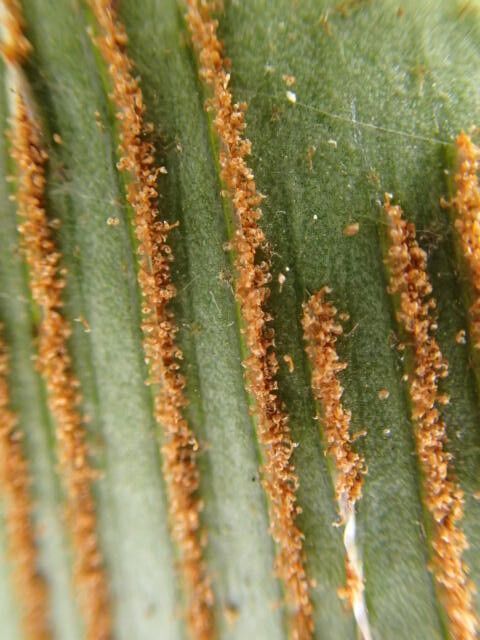
Spore Collection: Begin by identifying mature spores on the underside of the fronds. These appear as small, brown, and often clustered dots called sori. Once the sori feel slightly raised and have a fuzzy texture, they are ripe for harvest. Carefully scrape the spores onto a white piece of paper using a sharp, sterile knife or razor blade.
-
Spore Preparation: Spores benefit from a little cleaning to prevent mold growth. You can achieve this by placing the paper with the spores in a warm, dry location for a few days. This allows the spores to dry further and separate from any chaff.
-
Sowing the Spores: Choose a well-draining growing medium specifically designed for ferns or create your own using peat moss and perlite. Moisten the medium and spread the spores thinly over the surface, taking care not to bury them.
-
Creating a Humid Environment: Spores thrive in high humidity. Cover the container with a clear plastic bag or use a humidity dome to create a mini greenhouse effect. Place the container in a warm, bright location, out of direct sunlight.
-
Patience is Key: Germination can take anywhere from a few weeks to a couple of months. During this time, ensure the growing medium remains consistently moist by misting with distilled water or using a tray with pebbles and water.
- Transplanting: Once the tiny fernlets, or sporophytes, have developed several fronds, you can carefully transplant them into individual pots filled with a well-draining potting mix. Remember to handle them gently, as they are still delicate at this stage.
Additional Tips for Success:
- Sterilize all your tools and containers before starting the propagation process to prevent fungal contamination.
- Maintain consistent moisture levels but avoid overwatering, as this can lead to root rot.
- Provide adequate indirect light for optimal growth.
- Be patient! Spore propagation takes time, but the reward is well worth the wait.
Propagating your Asplenium africanum might seem daunting at first, but by following these steps and arming yourself with a bit of patience, you’ll be rewarded with a flourishing collection of these beautiful bird’s nest ferns. So, put on your propagation hat, and embark on this rewarding journey of multiplying your green companions!