
Propagating the Silver Bird’s Nest Fern (Asplenium argentinum): A Guide to Success
Introduction:
Asplenium argentinum, commonly known as the Silver Bird’s Nest Fern, is a striking addition to any indoor or outdoor (in suitable climates) collection. Its lustrous, silvery-green fronds, arranged in a rosette, create a visually captivating display. This fern’s popularity stems from its relatively low-maintenance nature and its ability to thrive in shady conditions making it ideal for homes and terrariums. However, propagating Asplenium argentinum presents unique challenges, making successful cultivation particularly rewarding. Its slow growth rate also means propagation is key for increasing stock.
Seed Germination:
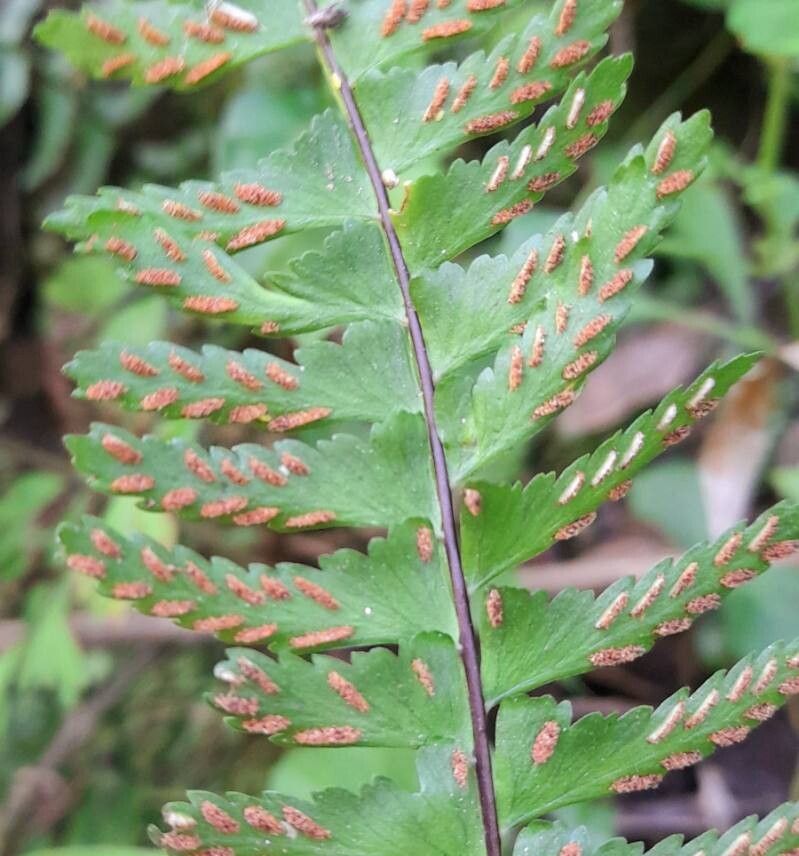
Currently, there are no known reliable methods for seed germination propagation of Asplenium argentinum. Sporophytes (the spore-producing generation) are formed but germination rates in controlled environments are extremely low and rarely result in viable plants. Further research is needed to explore techniques that may improve germination success.
Cuttings:
Cuttings are also not a viable method for propagating Asplenium argentinum. Unlike some ferns that can regenerate from leaf or stem cuttings, this species does not readily produce adventitious roots or shoots from severed portions. Attempts at this method are highly unlikely to yield positive results.
Division:
Division is the most successful and common method for propagating Asplenium argentinum. This involves carefully separating the rhizome into multiple sections, each with its own set of healthy fronds and roots.
-
Challenges: Dividing the rhizome too aggressively can damage the plant. The slow-growing nature of the plant means a large, mature plant may only offer a few divisions. Additionally, proper sterilization of cutting tools is vital to prevent the spread of disease.
-
Practical Tips: Divide the rhizome only during the active growing season (spring or early summer). Sterilize all cutting tools with rubbing alcohol before and after use. Ensure each division has a sizable portion of rhizome and several healthy fronds. Plant the divisions in well-draining, slightly acidic potting mix, maintaining consistently moist but not waterlogged conditions.
- Rewards: Division provides a reliable method for increasing the number of plants. As long as care is taken during the process and the divisions are given appropriate care, success rates are high.
Tissue Culture:
Tissue culture offers a potential, albeit technically demanding, method for propagating Asplenium argentinum. This laboratory-based technique involves growing plantlets from small pieces of plant tissue on a nutrient-rich agar medium.
-
Challenges: Tissue culture requires specialized equipment, sterile conditions, and a deep understanding of plant tissue culture techniques. It’s not a method suitable for the home propagator. Contamination can readily occur, leading to loss of plant material.
-
Practical Tips: This method is best left to professionals in specialized nurseries or research facilities. They possess the necessary infrastructure and expertise to execute this method effectively.
- Rewards: Tissue culture allows for rapid and large-scale propagation of genetically identical plants, preserving desirable traits and offering the possibility of disease-free stock.
Conclusion:
Propagating Asplenium argentinum presents its fair share of challenges. While seed germination and cuttings are unlikely to succeed, division offers a reliable, accessible technique for home cultivators seeking to expand their collection. Tissue culture remains a powerful but specialized method. The rewards, however, transcend the effort. Successfully propagating this beautiful fern brings an immense sense of accomplishment. The slow, deliberate growth of the fern mirrors the patience and care required, making the final result all the more rewarding and giving gardeners a unique sense of connection to a plant they’ve painstakingly multiplied. For aspiring propagators, starting with division and providing consistent care are the keys to success with this captivating fern.