
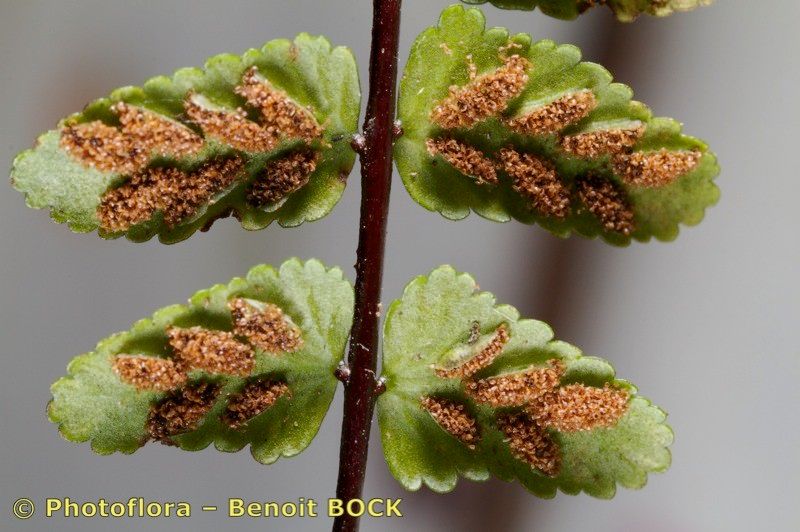
Propagating the Azores Fern: A Guide to Asplenium azoricum
Introduction:
Asplenium azoricum, commonly known as the Azores fern, is a striking evergreen fern boasting leathery, lanceolate fronds that can reach impressive lengths. Native to the Azores archipelago, this fern is highly prized by gardeners for its architectural form and tolerance of slightly drier conditions compared to many other ferns. Its popularity stems from its ability to add a lush, tropical feel to shady gardens and indoor spaces. However, propagating Asplenium azoricum presents unique challenges due to its relatively slow growth and specific requirements. This article explores different propagation methods to help enthusiasts succeed in cultivating this beautiful species.
Seed Germination:
Currently, there are no known reliable methods for seed germination propagation of Asplenium azoricum. While the fern does produce spores, germination rates are exceptionally low, even under controlled laboratory conditions. The precise requirements for successful spore germination remain largely unknown, making this method impractical for the average gardener.
Cuttings:
Propagating Asplenium azoricum via cuttings is also generally unsuccessful. Unlike some ferns that readily propagate from stem cuttings, the Azores fern does not readily develop roots from frond or rhizome sections. Attempts at rooting cuttings typically result in decay rather than new growth.
Division:
Division offers the most reliable method for propagating Asplenium azoricum. This process involves carefully separating the rhizomes (underground stems) of a mature plant into smaller sections, each with its own set of roots and fronds.
Challenges: Mature plants are required, limiting propagation potential. Care must be taken to avoid damaging the delicate roots, which can lead to the death of the newly divided portions. Slow establishment is also common.
Practical Tips: Divide the plant in spring or early summer when the fern is actively growing. Use a sharp, sterile knife or shears to minimize damage. Ensure each division has a substantial amount of rhizome and several healthy fronds. Plant divisions in well-draining, rich soil, keeping them moist but not waterlogged.
Rewards: Division offers a relatively quick way to increase the number of plants, producing genetically identical offspring. It provides a high success rate compared to other methods.
Tissue Culture:
Tissue culture provides the potential for large-scale propagation of Asplenium azoricum. This laboratory-based method involves growing plantlets from small pieces of sterile plant tissue in a nutrient-rich medium.
Challenges: Tissue culture requires specialized equipment, aseptic techniques, and significant expertise. It is a costly and time-consuming process, unsuitable for most home gardeners.
Practical Tips: This method is best left to professionals with the necessary facilities and experience.
Rewards: Tissue culture allows for the mass production of genetically identical plants, ensuring uniformity and enabling large-scale propagation for commercial purposes.
Conclusion:
Propagating Asplenium azoricum presents a unique set of challenges. While seed germination and cuttings are largely ineffective, division offers a reliable, albeit somewhat limited, method for home gardeners. Tissue culture presents the only practical option for large-scale propagation but requires specialized knowledge and resources. The slow growth rate of this fern demands patience, and failures are common. Yet, successfully propagating the Azores fern, especially through division, offers a profound sense of accomplishment. The reward of nurturing a small portion of a mature plant into an independent, thriving fern is immensely satisfying. For aspiring propagators, patience, meticulous attention to detail, and a willingness to learn from setbacks are crucial for success with this captivating species. Start with division; it offers the most accessible route to expanding your collection of these majestic ferns.