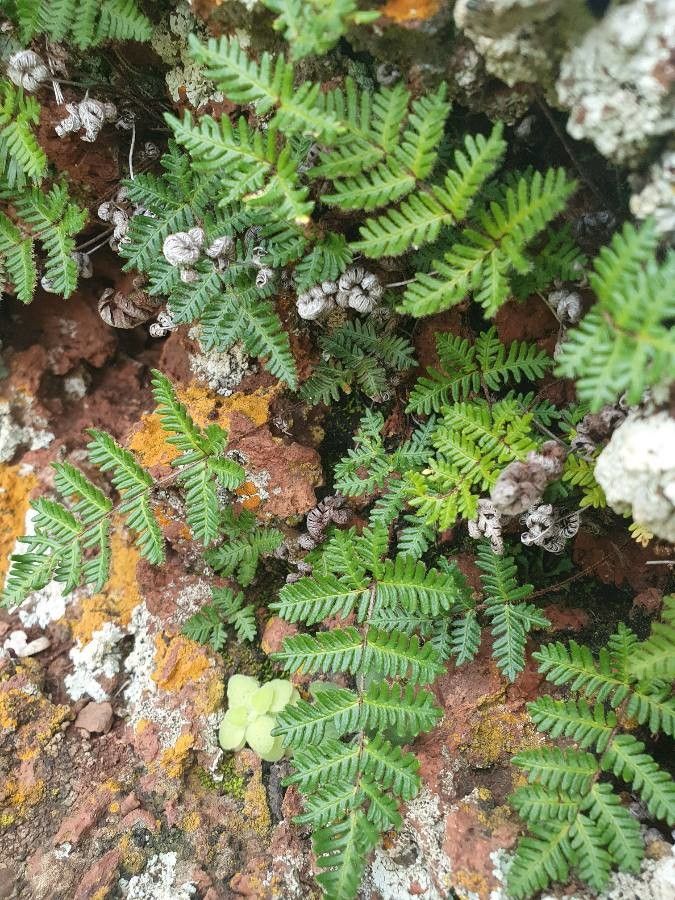
Propagating Asplenium cordatum: A Gardener’s Guide to the Heart Fern
Asplenium cordatum, commonly known as the heart fern, is a captivating fern prized for its distinctive heart-shaped fronds. Its lush, dark green foliage and relatively compact growth habit make it a popular choice for terrariums, hanging baskets, and shady garden beds. This fern’s popularity amongst gardeners stems not only from its aesthetic appeal but also its relatively easy care once established. However, propagation presents more of a challenge, making successful cultivation all the more rewarding.
Seed Germination:
Currently, there are no known reliable methods for seed germination propagation of Asplenium cordatum. While Asplenium species do produce spores, the germination rate is notoriously low, and successful cultivation from spore to mature plant is extremely difficult even under controlled laboratory conditions. The specific requirements for germination in Asplenium cordatum remain largely unstudied.
Cuttings:
Cuttings are also not a viable method for propagating Asplenium cordatum. Unlike some other plants, ferns do not readily root from stem or leaf cuttings. Attempts at vegetative propagation using cuttings are unlikely to be successful.
Division:
Division is the most practical and reliable method for propagating Asplenium cordatum. This involves separating a mature plant into several smaller divisions, each containing its own root system and several fronds.
- Challenges: Success depends on the health and size of the parent plant. Overly aggressive division can weaken or kill the parent plant. Divisions that are too small may struggle to establish themselves.
- Practical Tips: The best time for division is during the spring or early summer when the plant is actively growing. Carefully remove the plant from its pot (or dig it up if grown outdoors), gently untangle the rhizomes, and separate them into sections with at least several fronds and a healthy portion of roots. Plant the divisions in well-draining potting mix, keeping them moist but not waterlogged.
- Rewards: Division is relatively straightforward and offers a quick way to increase the number of plants. It’s also less likely to introduce genetic variability, ensuring the new plants are identical to the parent.
Tissue Culture:
Tissue culture offers a potential, albeit complex and specialized, method for propagating Asplenium cordatum. This technique involves growing plant cells in a sterile, nutrient-rich medium to produce numerous plantlets.
- Challenges: Tissue culture requires sterile laboratory conditions, specialized equipment, and expertise in plant tissue culture techniques. It’s a significantly more expensive and time-consuming method compared to division. Optimal media formulations and growth conditions for Asplenium cordatum would need to be determined.
- Practical Tips: Successful tissue culture requires strict adherence to sterile procedures to prevent contamination. The use of growth hormones may be necessary to stimulate shoot and root development. This method is best left to professional nurseries or experienced hobbyists with access to appropriate facilities and training.
- Rewards: Tissue culture enables mass propagation and the potential for disease-free plants. It also offers possibilities for genetic improvement and the propagation of rare or difficult-to-propagate cultivars.
Conclusion:
Propagating Asplenium cordatum poses a unique set of challenges. While seed germination and cuttings are currently not viable methods, division provides a comparatively straightforward and effective approach for home gardeners. Tissue culture, although complex, offers broader potential for large-scale propagation. The rewards, however, are substantial; the successful propagation of this beautiful fern, especially through division, provides a significant sense of accomplishment. The satisfaction comes not only from having multiplied a prized plant but conquering the inherent difficulties of working with ferns. Beginners should start with division, and those with more advanced skills and resources might consider exploring tissue culture. The journey, despite its challenges, is well worth the beautiful outcome.