
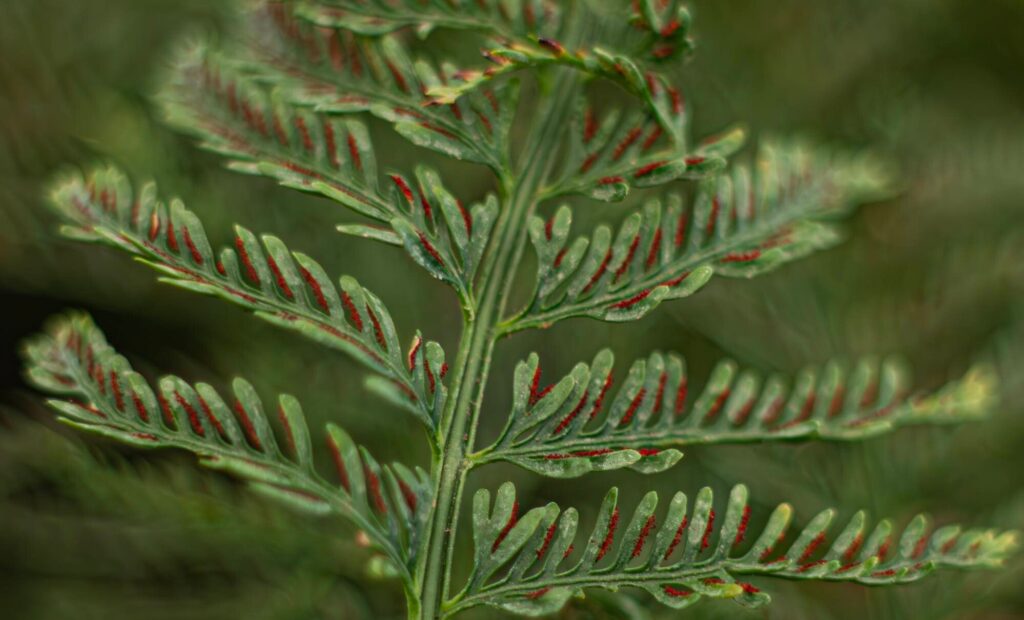
Propagating the Delicate Lace Fern: A Guide to Asplenium daucifolium
Introduction:
Asplenium daucifolium, commonly known as the carrot fern or parsley fern, is a captivating fern prized for its finely divided, delicate fronds that resemble carrot tops or parsley. This attractive foliage makes it a highly sought-after plant for terrariums, hanging baskets, and shaded garden areas. Its unique appearance and relatively low maintenance requirements contribute to its popularity among fern enthusiasts. However, propagating Asplenium daucifolium can present certain challenges, making successful cultivation all the more rewarding. Its slow growth further necessitates efficient propagation methods for wider dissemination.
Seed Germination:
Currently, there are no known reliable methods for seed germination propagation of Asplenium daucifolium. While the fern does produce spores, germination rates are extremely low and unpredictable, making this method impractical for most home cultivators. Further research into specific germination requirements is needed to establish a viable protocol.
Cuttings:
Cuttings are also generally not a successful method for propagating Asplenium daucifolium. Unlike some other ferns, this species doesn’t readily form roots from stem or frond cuttings. Attempts at propagation through cuttings have consistently yielded poor results.
Division:
Division offers the most reliable method for propagating Asplenium daucifolium. This involves carefully separating the rhizomes (underground stems) of a mature plant into individual sections, each containing several healthy fronds and roots.
- Challenges: Care must be taken to avoid damaging the fragile rhizomes. Over-dividing can weaken the mother plant and the newly divided sections.
- Practical Tips: Divide the fern in spring or early summer when growth is active. Use a sharp, clean knife or shears to separate the rhizomes. Ensure each section has healthy roots and several fronds. Plant the divisions in a well-draining potting mix specifically formulated for ferns, keeping the soil consistently moist but not waterlogged.
- Rewards: Division offers a relatively straightforward way to increase the number of plants with minimal losses. It ensures genetic uniformity, which can be important for maintaining desired traits.
Tissue Culture:
Tissue culture offers a more advanced and potentially more efficient method of propagation, especially for large-scale cultivation. This technique involves growing plantlets from small sections of plant tissue under sterile conditions in a nutrient-rich medium.
- Challenges: Tissue culture requires specialized equipment, a sterile environment, and proficiency in laboratory techniques. It’s generally not a viable option for home propagators.
- Practical Tips: This method requires extensive training and access to a suitable laboratory. Specialized media and growth regulators are necessary for successful propagation.
- Rewards: Tissue culture offers the potential for mass propagation of genetically identical plants, offering high efficiency and the opportunity to eliminate diseases.
Conclusion:
Propagating Asplenium daucifolium presents unique challenges. While seed germination and cuttings are largely unsuccessful, division provides a simple and effective method for home gardeners. Tissue culture offers impressive potential for large-scale production but requires specialized skills and facilities. The relatively slow growth of this fern makes propagating it a patient endeavor, but the elegance and beauty of the resulting plants make the effort worthwhile. The success achieved through division, or potentially through mastering tissue culture, offers a deep sense of satisfaction, proving that patience and attention to detail are rewarded with the flourishing beauty of this delicate lace fern. Aspiring propagators are encouraged to begin with division, mastering the technique before potentially exploring the more complex world of fern tissue culture.