
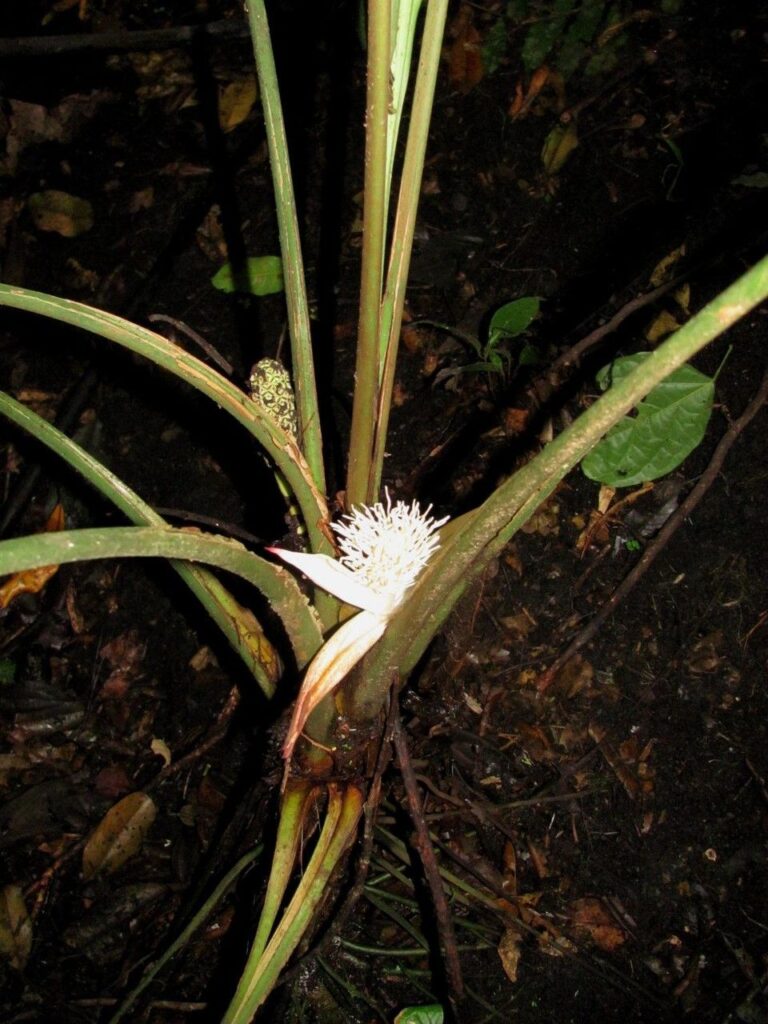
Unlocking the Secrets of Asplundia Alata Propagation: A Guide to Cultivating This Tropical Beauty
Asplundia alata, with its captivatingly large, pleated leaves resembling intricate fans, is a statement piece for any plant enthusiast seeking a touch of the tropics. But unlike many popular houseplants, propagating this beauty can feel like entering uncharted territory. Fear not, fellow plant lovers! This guide will delve into the intriguing world of Asplundia alata propagation, equipping you with the knowledge to expand your verdant collection.
Understanding the Challenges (and Why They’re Worth It):
Asplundia alata, unlike many houseplants that readily sprout from cuttings, typically reproduces through seeds in its natural habitat. This method, while natural, can be a waiting game, often requiring months for germination. However, the reward of nurturing a plant from its very beginnings is a fulfilling journey for patient plant parents.
Method 1: Sowing the Seeds of Success:
- Source your seeds: Sourcing viable seeds is the first hurdle. Look for reputable online retailers specializing in rare or unusual plants.
- Prepare for germination: Asplundia alata seeds thrive in a warm, humid environment. Utilizing a germination mix specifically designed for tropical seeds is ideal. Sow the seeds shallowly and enclose the container in a plastic bag or humidity dome to maintain moisture.
- Patience is key: Germination can be a slow process, potentially taking several months. Be patient, maintain warmth and humidity, and provide bright, indirect light.
Method 2: The Art of Division (For the Fortunate Few):
Occasionally, a mature Asplundia alata might produce offshoots or “pups” at its base. If you’re lucky enough to encounter this, division provides a quicker propagation method.
- Careful separation: Using a clean, sharp knife or shears, carefully separate the pup from the mother plant, ensuring it has its own roots.
- Potting the division: Plant the separated pup in a well-draining potting mix suitable for tropical plants. Water thoroughly and provide consistent moisture as it establishes itself.
Nurturing Your New Asplundia Alata:
Regardless of your chosen propagation method, caring for your new plant remains consistent.
- Light: Asplundia alata thrives in bright, indirect light. Avoid direct sunlight, which can scorch their delicate leaves.
- Water: Keep the soil consistently moist but not waterlogged. Allowing the topsoil to dry slightly between waterings is recommended.
- Humidity: As a tropical plant, Asplundia alata thrives in humid environments. Regularly misting the leaves or using a humidifier can help recreate its natural habitat.
- Fertilizer: During the growing season (spring and summer), fertilize every 4-6 weeks with a diluted balanced fertilizer to support healthy growth.
Propagating an Asplundia alata is an enriching experience, allowing you to witness the fascinating life cycle of this botanical marvel. While it requires patience and dedication, the reward of cultivating a thriving Asplundia alata, with its captivating foliage gracing your home, makes the journey truly worthwhile.