
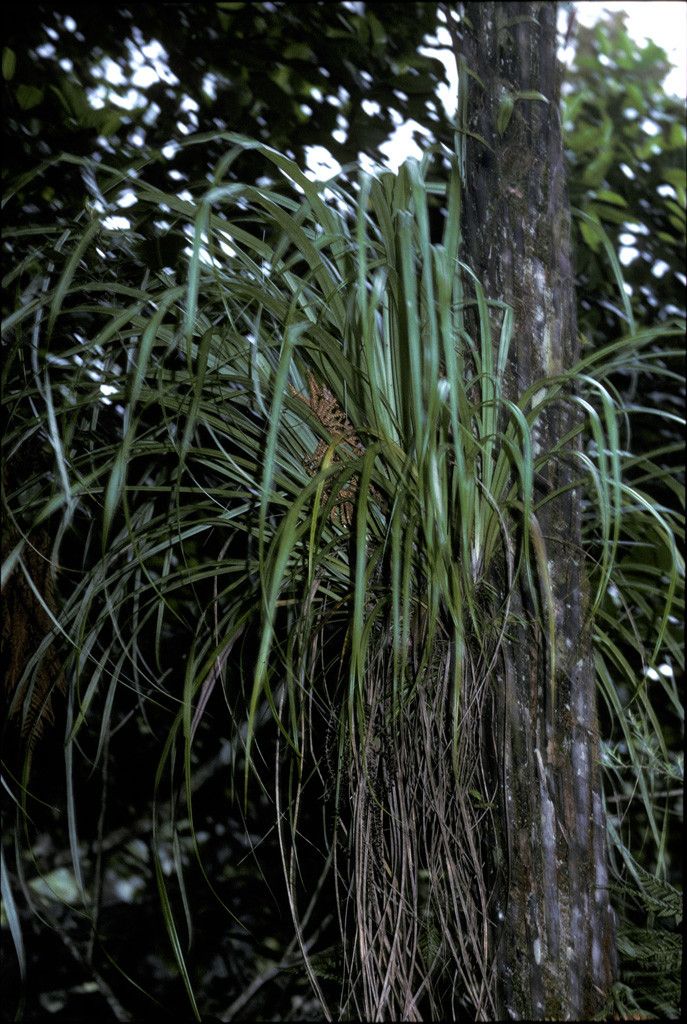
Propagating Astelia solandri: Unveiling the Secrets of the New Zealand Flax Lily
Introduction:
Astelia solandri, commonly known as the New Zealand flax lily, is a striking evergreen perennial prized for its architectural foliage and attractive flowers. Its sword-like, often variegated leaves create a dramatic textural element in gardens, lending themselves to both formal and informal designs. The plant’s popularity amongst gardeners is fueled by its relative ease of care and its tolerance of a range of conditions, although propagation can present certain challenges. This article explores the various methods of propagating Astelia solandri, highlighting both the rewards and difficulties involved.
Seed Germination:
Currently, there are no known reliable methods for seed germination propagation of Astelia solandri. While the plant does produce seed, germination rates are exceptionally low and unpredictable, making this a largely impractical method for most gardeners.
Cuttings:
Cuttings offer a more viable, albeit still challenging, propagation method for Astelia solandri.
- Challenges: Astelia solandri cuttings are notoriously slow to root. The success rate depends heavily on environmental conditions and the timing of the propagation. Leaf cuttings generally fail to root, and stem cuttings require specific preparation and care.
- Practical Tips: Take semi-hardwood cuttings in late spring or early summer from the healthier basal portions of the plant. Remove lower leaves to prevent rotting. Dip the cut ends in rooting hormone before planting in a well-draining, sterile propagation mix, such as a peat-perlite blend. Maintain high humidity by covering the cuttings with a clear plastic dome or bag and ensuring consistently moist (but not waterlogged) conditions. Bottom heat can significantly increase success rates. Patience is key, as rooting can take several weeks to months.
- Rewards: Success with cuttings provides genetically identical plants to the parent, maintaining desired traits. This method allows for efficient propagation of desirable cultivars.
Division:
Division is arguably the most reliable method for propagating Astelia solandri.
- Challenges: Dividing established clumps can be labour intensive, requiring some force to separate the closely intertwined rhizomes. Damage to the roots can lead to failed propagation, thus careful execution is critical.
- Practical Tips: The best time for division is during the spring or early summer, after the plant has completed its main growth spurt. Dig up the entire clump carefully, ensuring as much of the root system remains intact as possible. Use a sharp, clean knife or spade to separate the clump into smaller divisions, each with multiple healthy leaves and a substantial portion of roots. Replant the divisions immediately, ensuring good soil contact, and water thoroughly.
- Rewards: Division is a straightforward method that generally yields high success rates, resulting in quick establishment of new plants. It allows for rapid increase in numbers compared to cuttings.
Tissue Culture:
Tissue culture offers the potential for large-scale propagation of Astelia solandri, generating numerous clones rapidly.
- Challenges: Tissue culture requires specialized knowledge, equipment, and a sterile environment. It’s not practical for the home gardener and is typically undertaken by commercial nurseries.
- Practical Tips: This technique involves culturing small plant tissues under highly controlled conditions to multiply them rapidly. Expert knowledge of media preparation, sterile techniques, and plant hormone application is necessary.
- Rewards: Tissue culture offers unparalleled potential for mass propagation, enabling the production of disease-free, genetically uniform plants.
Conclusion:
Propagating Astelia solandri presents both challenges and rewards. While seed germination is unreliable, division provides the most straightforward and successful method for home gardeners. Cuttings offer another option, though demanding patience and finesse. Tissue culture remains a specialized technique for large-scale propagation. The satisfaction of successfully cultivating this stunning plant from a division or a carefully nurtured cutting is immense, rewarding the effort invested with the enduring beauty of New Zealand flax lily in the garden. This underscores the importance of patience, attention to detail, and the ongoing learning process involved in plant propagation. Aspiring propagators should start with division and gradually explore cuttings, acknowledging that even experienced cultivators can experience setbacks. The journey, however, is as rewarding as the destination.