
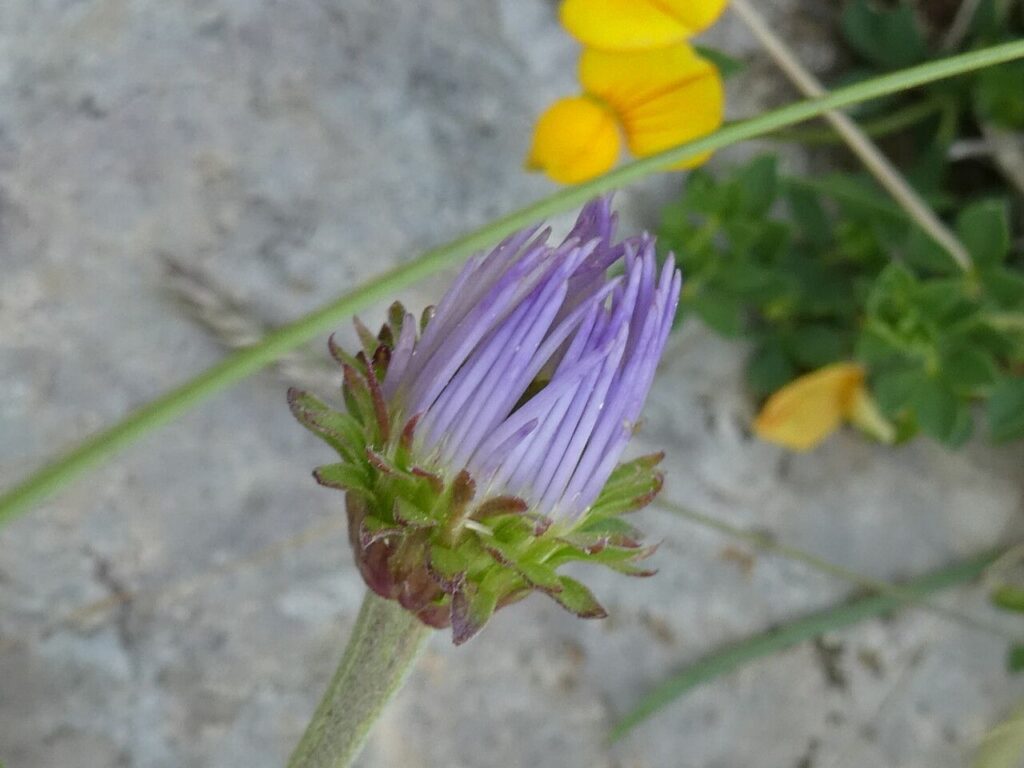
Propagating Alpine Aster (Aster alpinus): A Gardener’s Guide
Introduction:
Aster alpinus, commonly known as Alpine Aster, is a charming, low-growing perennial prized for its vibrant, daisy-like flowers that bloom in shades of purple, blue, pink, and white. Its compact habit and tolerance of varied conditions make it a popular choice for rock gardens, alpine gardens, and even containers. While relatively easy to maintain once established, propagating Alpine Aster can present some unique challenges, making successful propagation a rewarding experience for the dedicated gardener. Its tendency towards self-seeding in ideal conditions and its ease of division, however, offer accessible avenues for propagation.
Seed Germination:
Seed germination of Aster alpinus is possible, but it’s not always reliable and often presents challenges. The seeds are quite small and have a low germination rate. One of the biggest hurdles is the need for stratification. This process mimics the natural winter conditions required for seed dormancy breaking.
Challenges: Low germination rate, need for stratification.
Practical Tips:
- Stratification: Mix seeds with slightly moist vermiculite or perlite and store them in a sealed container in the refrigerator at temperatures around 3-5°C (37-41°F) for 6-8 weeks. This cold treatment breaks dormancy.
- Sowing: After stratification, sow seeds thinly onto a well-drained seed-starting mix. Maintain consistent moisture but avoid overwatering, as this can lead to damping off. Gently cover the seeds with a thin layer of the sowing mix.
- Light: Provide bright, indirect light. Germination usually takes 2-4 weeks after stratification.
Rewards: Genetic diversity resulting in a potentially wider range of plant characteristics; large-scale propagation potential for commercial or community projects.
Cuttings:
Currently, there are no known reliable methods for propagation of Aster alpinus via cuttings. Softwood and hardwood cuttings have not proven successful in producing rooted plants.
Division:
Division is arguably the most reliable and easiest method for propagating Alpine Aster.
Challenges: Minimal; mainly timing and careful handling of roots.
Practical Tips:
- Timing: The best time to divide Alpine Aster is in spring or early autumn, after flowering or before new growth begins.
- Technique: Carefully dig up the established plant and gently separate the clumps into smaller sections, ensuring each division has healthy roots and several shoots. Replant the divisions immediately, ensuring good soil contact.
Rewards: Quick establishment of new plants; maintains the exact characteristics of the mother plant.
Tissue Culture:
While potentially feasible, tissue culture propagation of Aster alpinus is typically not a practical method for home gardeners due to the specialized equipment, sterile conditions, and technical expertise required. It would primarily be undertaken by commercial nurseries or research institutions.
Conclusion:
Propagating Aster alpinus offers a mix of challenges and rewards. While seed germination is possible but unpredictable, division provides a straightforward and reliable alternative. The absence of successful propagation from cuttings limits options. Successful propagation, especially from seed, provides a sense of accomplishment that is proportionally rewarding to the time and effort invested. The unique beauty and hardiness of Alpine Aster are compelling reasons to persist in the pursuit of successful propagation, regardless of the chosen method. New gardeners should likely start with division as the simplest and most successful approach, while experienced gardeners may wish to experiment with seed stratification. Remember patience and persistence are key to success with this lovely plant!