
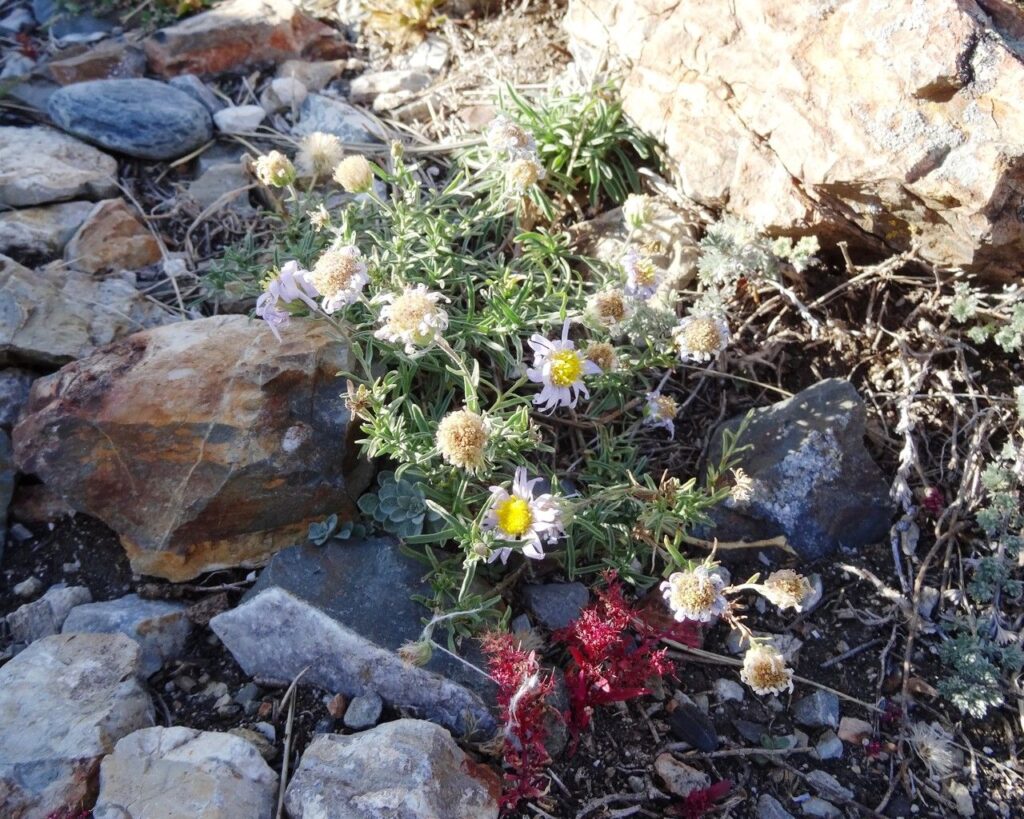
Unveiling the Secrets: How to Propagate the Enchanting Aster Altaicus
The Aster altaicus, also known as the Siberian aster, is a captivating perennial boasting vibrant purple daisies that bloom in late summer and early fall. This hardy plant, native to Siberia and Mongolia, is a delightful addition to any garden with its ability to thrive in various conditions.
If you’re yearning to welcome this beauty into your own garden or simply want to multiply your existing plants, then learning how to propagate Aster altaicus is the key. Here’s a comprehensive guide to help you successfully propagate this enchanting flower:
1. Propagation Through Seeds:
This is a rewarding method for those who enjoy the entire journey, from seed to bloom.
- Timing is Key: The ideal time to sow Aster altaicus seeds is in the spring, after the last frost has passed.
- Sowing the Seeds: Choose well-draining seed starting mix. Scatter the seeds on the surface and lightly press them down, ensuring they are not buried deeply.
- Creating the Ideal Environment: Keep the soil consistently moist and maintain a warm temperature around 70-75°F (21-24°C).
- Embracing the Light: As seedlings emerge (usually within 2-3 weeks), provide them with plenty of bright, indirect sunlight.
- Transplanting Time: Once the seedlings have developed several sets of true leaves, they are ready to be transplanted outdoors after the danger of frost has passed.
2. Propagation Through Division:
This method allows for a quicker way to obtain established plants.
- The Perfect Moment: Early spring or fall, when the plant is dormant, is the opportune time for division.
- Gentle Separation: Carefully dig up the entire clump of the Aster altaicus, ensuring you don’t damage the roots.
- Dividing with Care: Using a sharp knife or garden shears, divide the clump into smaller sections, ensuring each section has a good root system and at least 3-4 healthy shoots.
- Replanting with Love: Replant the divisions in well-prepared soil, ensuring they are at the same depth they were originally growing. Water them thoroughly and provide a layer of mulch to retain moisture.
3. Propagation Through Cuttings:
This method involves taking cuttings from an existing plant to create new ones.
- Timing Your Cuttings: Spring is the best time to take softwood cuttings from new growth.
- Making the Cut: Using clean, sharp shears, take 4-6 inch cuttings just below a leaf node. Remove the lower leaves, leaving 2-3 at the top.
- Encouraging Root Development: Dip the cut end in rooting hormone (optional, but helpful) and plant the cuttings in a well-draining potting mix.
- Creating a Humid Environment: Cover the cuttings with a plastic bag or humidity dome to maintain moisture.
- Transplanting Your Success: Once the cuttings have developed roots (usually within 4-6 weeks), they can be transplanted into individual pots or directly outdoors.
Extra Tips for Success:
- Well-Draining Soil: Aster altaicus prefers well-drained soil, so amend heavy clay soils with compost or peat moss.
- Sunlight is Key: Choose a location with full sun to partial shade for optimal growth and flowering.
- Watering Needs: Water regularly, especially during dry periods, but avoid overwatering which can lead to root rot.
Propagating Aster altaicus is an adventure that allows you to connect with this resilient and stunning plant. Each method offers its own unique rewards, and with patience and care, you can successfully multiply your collection of these fall-blooming beauties, enriching your garden with their vibrant color and charm.