
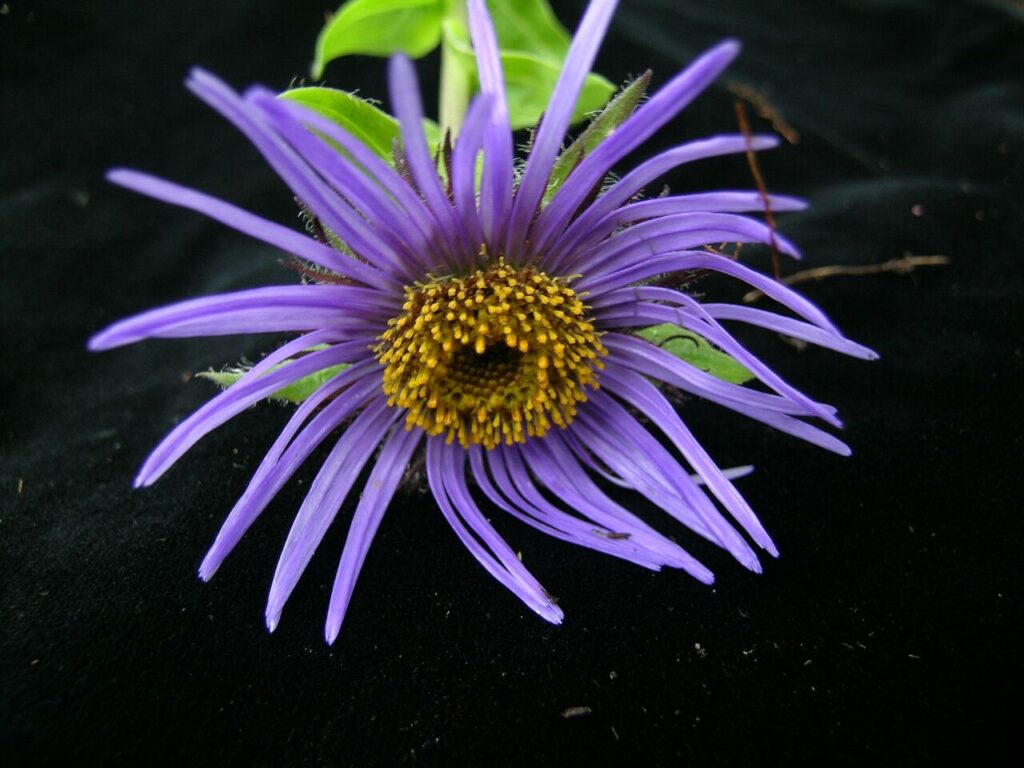
Propagating Aster barbellatus: A Gardener’s Guide to the Barbed Aster
Introduction:
Aster barbellatus, also known as the barbed aster, is a captivating perennial boasting a dense, mounded habit and profuse displays of vibrant purple-blue daisy-like flowers. Native to mountainous regions, its hardiness and drought tolerance make it a prized addition to rock gardens, borders, and xeriscapes. Its unique, slightly barbed leaves contribute to its distinctive appeal and have earned it a place of favour among gardeners seeking low-maintenance, yet visually striking additions to their landscapes. However, propagating this species, compared to more common asters, presents certain challenges. This article explores the various methods for propagating Aster barbellatus, considering their viability and associated difficulties.
Seed Germination:
Currently, there are no known reliable methods for seed germination propagation of Aster barbellatus. While the plant produces seeds, germination rates are reportedly extremely low, and successful germination under controlled conditions has not been widely documented. Further research is needed to determine optimal germination protocols, potentially including specific temperature and light requirements or the use of germination stimulants.
Cuttings:
Propagation via stem cuttings offers a more promising approach for Aster barbellatus.
- Challenges: The success rate can vary depending on the timing of the cuttings (ideally taken in spring or early summer from semi-hardwood growth) and the environmental conditions. Root formation can be slow.
- Practical Tips: Take cuttings approximately 4-6 inches long, removing lower leaves to prevent rot. Use a rooting hormone to boost success rates. Plant cuttings in a well-draining propagation mix, maintaining consistent moisture but avoiding overwatering. A humid environment, possibly achieved with a humidity dome or plastic bag, can enhance root development.
- Rewards: This method offers a relatively straightforward way to produce genetically identical clones of the parent plant, preserving desirable traits. It’s practical for smaller-scale propagation.
Division:
Division of established Aster barbellatus plants presents another viable propagation method.
- Challenges: This technique is only feasible for mature, well-established plants. Care must be taken to avoid damaging the root system during the division process. Successful division also depends on the timing—early spring or autumn is generally best.
- Practical Tips: Gently dig up the mature plant and carefully separate the root mass into smaller sections, each with its own roots and several stems. Replant the divisions promptly, ensuring adequate spacing and providing consistent watering until they become established.
- Rewards: Division is a relatively simple and quick method for propagating multiple plants from a single mature specimen.
Tissue Culture:
Tissue culture offers the potential for large-scale propagation of Aster barbellatus, but it’s a sophisticated technique requiring specialized equipment and expertise.
- Challenges: Establishing aseptic conditions is crucial, and contamination can readily lead to failure. The process requires specialized knowledge of plant tissue culture techniques.
- Practical Tips: This method is best left to experienced horticulturalists or plant tissue culture laboratories. Success depends on selecting appropriate culture media, growth regulators, and sterilization protocols.
- Rewards: Tissue culture allows for rapid propagation of large numbers of genetically identical plants, opening possibilities for commercial cultivation and conservation efforts.
Conclusion:
Propagating Aster barbellatus presents distinct challenges across all methods. While seed germination is currently unreliable, stem cuttings and division offer practical options for gardeners aiming to expand their collection. Tissue culture offers the path to large-scale multiplication, but this requires specialized facilities and skills. The rewards—cultivating this striking plant from a cutting, a division or (eventually, if seed germination techniques are developed) from a tiny seed—are well worth the effort. The satisfaction of successfully nurturing this hardy but somewhat finicky plant from a single cutting or a carefully divided root crown speaks volumes about the perseverance and dedication of the gardener. Don’t be discouraged by initial setbacks; with patience and attention to detail, the beautiful blooms of Aster barbellatus will surely reward your efforts.