
Propagating Aster iinumae: A Gardener’s Guide
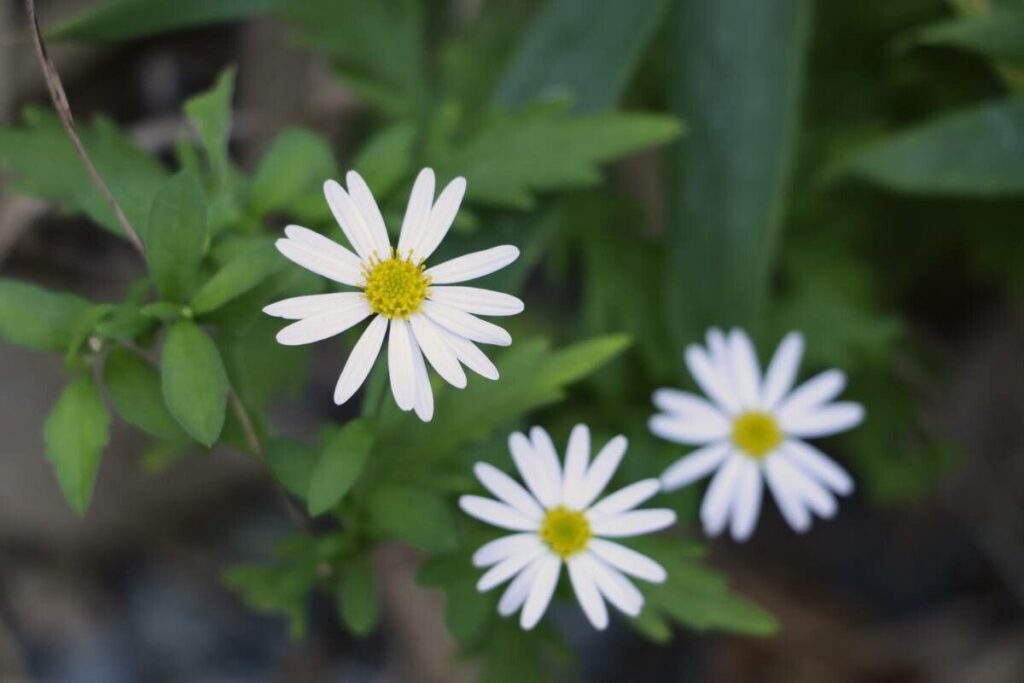
Aster iinumae, sometimes called the Japanese wood aster, is a charming perennial prized for its late-season blooms. This relatively low-growing aster boasts clusters of delicate, usually pale lavender to light purple, daisy-like flowers that brighten the autumn garden. Its graceful habit and adaptability make it a popular choice among gardeners, but propagating this species presents some unique challenges. Understanding these challenges and the various propagation techniques is key to successfully expanding your Aster iinumae collection.
Seed Germination:
Currently, there are no known reliable methods for seed germination propagation of Aster iinumae. While Aster species in general can be propagated from seed, this specific species appears to exhibit poor germination rates under typical horticultural conditions. Further research into specific seed treatment techniques might be necessary to unlock this propagation method.
Cuttings:
Propagating Aster iinumae via cuttings is a viable and relatively successful method.
Challenges: Success relies on taking cuttings at the right time and providing optimal conditions for rooting. Hardwood cuttings taken in late autumn or early winter are generally less successful than semi-hardwood cuttings taken in late spring or early summer.
Practical Tips: Semi-hardwood cuttings, approximately 4-6 inches long, should be taken from healthy, non-flowering stems. Remove lower leaves, dip the cut end in rooting hormone, and plant in a well-draining rooting mix (e.g., perlite and peat moss). Maintain high humidity (e.g., using a humidity dome or propagating tray) and consistent moisture.
Rewards: Cuttings are a relatively quick and straightforward method for generating genetically identical plants to the parent plant. This ensures the preservation of desirable traits.
Division:
Division is a highly effective method for propagating Aster iinumae.
Challenges: This method works best when the plant is established and has formed a substantial root system. Dividing too early may weaken or kill the parent plant.
Practical Tips: The best time to divide Aster iinumae is in early spring or autumn. Carefully dig up the entire plant, gently separate the root ball into smaller sections, each with its own healthy roots and several shoots. Plant the divisions in well-prepared soil, ensuring adequate spacing for future growth.
Rewards: Division is a simple, reliable method for multiplying established plants. It’s also a relatively quick way to increase your plant numbers, compared to cuttings.
Tissue Culture:
While potentially viable, tissue culture propagation for Aster iinumae is generally not a practical approach for home gardeners.
Challenges: Tissue culture requires specialized equipment, a sterile environment, and significant horticultural expertise. The setup costs and maintenance are substantial, making it an unsuitable method for casual propagation.
Practical Tips: This method would require specialized media, growth regulators, and a controlled environment.
Rewards: Tissue culture allows for large-scale multiplication of genetically identical plants, and it offers the potential for disease elimination. However, the significant investment and expertise needed make it impractical for the average gardener.
Conclusion:
Propagating Aster iinumae presents certain challenges, particularly concerning seed germination. However, division and cuttings offer reliable methods for the home gardener. While tissue culture provides a powerful option for mass propagation, its complexity makes it inaccessible for most hobbyists. The rewards, however—whether it’s the satisfying increase in your Aster iinumae population or the preservation of a cherished variety—far outweigh the effort involved. The unique beauty and late-season charm of the Aster iinumae make the journey of propagation a deeply rewarding experience. Don’t let the challenges deter you; experiment with cuttings or division and enjoy the process of expanding your beautiful collection of these delightful asters.