
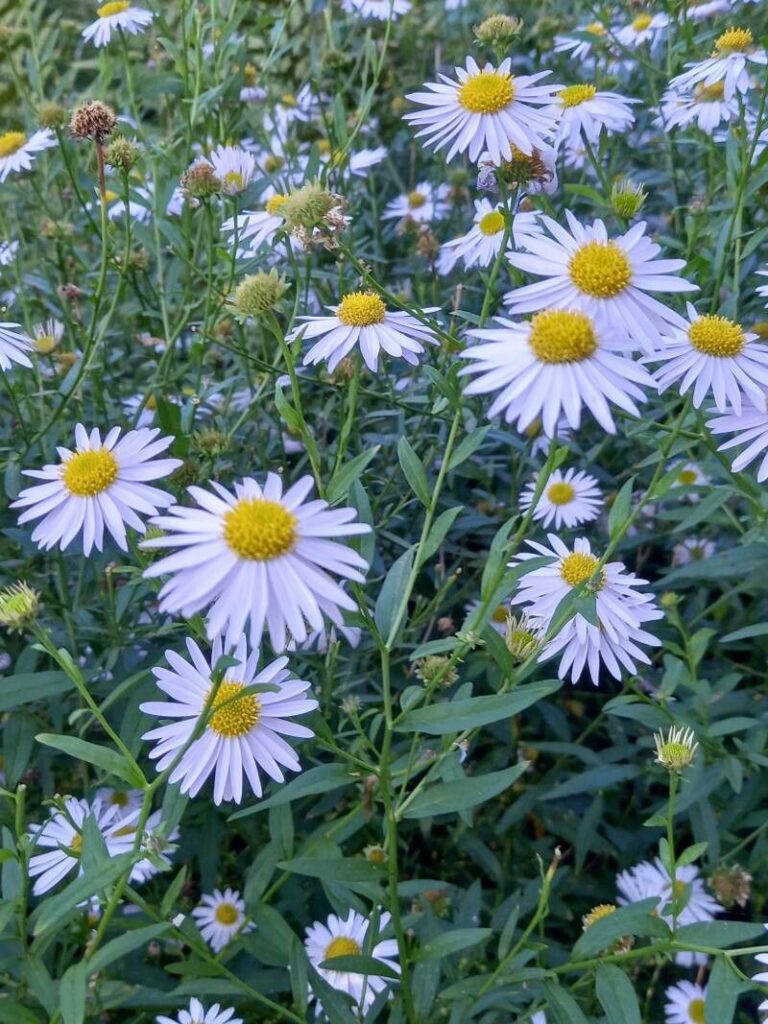
Propagating Aster mongolicus: A Gardener’s Guide to a Hardy Delight
Introduction:
Aster mongolicus, also known as Mongolian aster, is a captivating perennial herb prized for its hardy nature and charming, daisy-like flowers. Native to grasslands and rocky slopes in Mongolia and adjacent regions, this aster boasts a delightful resilience, making it a popular choice among gardeners seeking low-maintenance, visually appealing additions to their landscapes. Its relatively compact size and adaptability to a range of conditions further enhance its horticultural appeal. However, propagation isn’t always straightforward, presenting unique challenges and rewarding successes for the dedicated gardener.
Seed Germination:
Currently, there are no known reliable methods for seed germination propagation of Aster mongolicus. While seeds may be produced, their germination rate is notoriously low, and successful germination under cultivated conditions remains largely undocumented. Further research is needed to determine optimal germination techniques, potentially including specific stratification requirements or hormonal treatments.
Cuttings:
Propagating Aster mongolicus via cuttings offers a more reliable method than seed germination.
Challenges: Success with cuttings depends heavily on timing and technique. Taking cuttings too early or late in the growing season can significantly reduce success rates. The cuttings themselves are relatively susceptible to fungal diseases if not properly treated.
Practical Tips: Semi-hardwood cuttings taken in late spring or early summer are generally recommended. Use a sharp, clean knife or shears to take 4-6 inch cuttings, removing lower leaves to prevent rot. Dip the cut ends in a rooting hormone solution before planting in a well-draining propagation mix, such as a peat and perlite blend. Maintain high humidity using a propagator or covering the cuttings with a plastic bag. Regular misting is crucial to avoid desiccation.
Rewards: Cuttings provide a reliable way to create genetically identical copies of a desirable mother plant. This is particularly beneficial if you have a particularly robust or uniquely flowered specimen.
Division:
Division is another effective method for propagating Aster mongolicus.
Challenges: Successful division requires careful handling to avoid damaging the root system. The plant should be sufficiently established to allow for easy separation without compromising its health.
Practical Tips: The best time to divide Aster mongolicus is in early spring or autumn. Gently dig up the plant, carefully separating the root crown into smaller sections, each with its own set of roots and shoots. Replant the divisions immediately, ensuring the roots are well-covered with soil. Water thoroughly.
Rewards: Division is relatively simple, quick, and allows for the creation of multiple plants from a single mature specimen. This method preserves the genetic characteristics of the parent plant.
Tissue Culture:
While not a common practice for home gardeners, tissue culture offers a potential avenue for large-scale propagation of Aster mongolicus.
Challenges: Tissue culture requires specialized equipment, sterile conditions, and a significant level of expertise. The process is costly and time-consuming.
Practical Tips: This method is usually left to professional nurseries and research facilities due to the specialized equipment and aseptic environments required. Protocols would need to be developed specifically for this species.
Rewards: Tissue culture allows for rapid clonal propagation of disease-free plants in large numbers.
Conclusion:
Propagating Aster mongolicus presents unique challenges, with seed germination proving unreliable. Cuttings and division, however, offer viable options for the enthusiastic gardener. While each method presents its difficulties—from maintaining humidity for cuttings to careful handling during division—the rewards are significant. Successfully cultivating this plant from a cutting or through division brings a unique sense of accomplishment, a testament to patience and horticultural skill. The satisfaction of witnessing the sturdy growth and vibrant blooms of a plant propagated by your own hand far outweighs the initial challenges. The journey to successfully propagating Aster mongolicus is a rewarding one for those willing to persevere, ultimately culminating in a beautiful addition to any garden.