
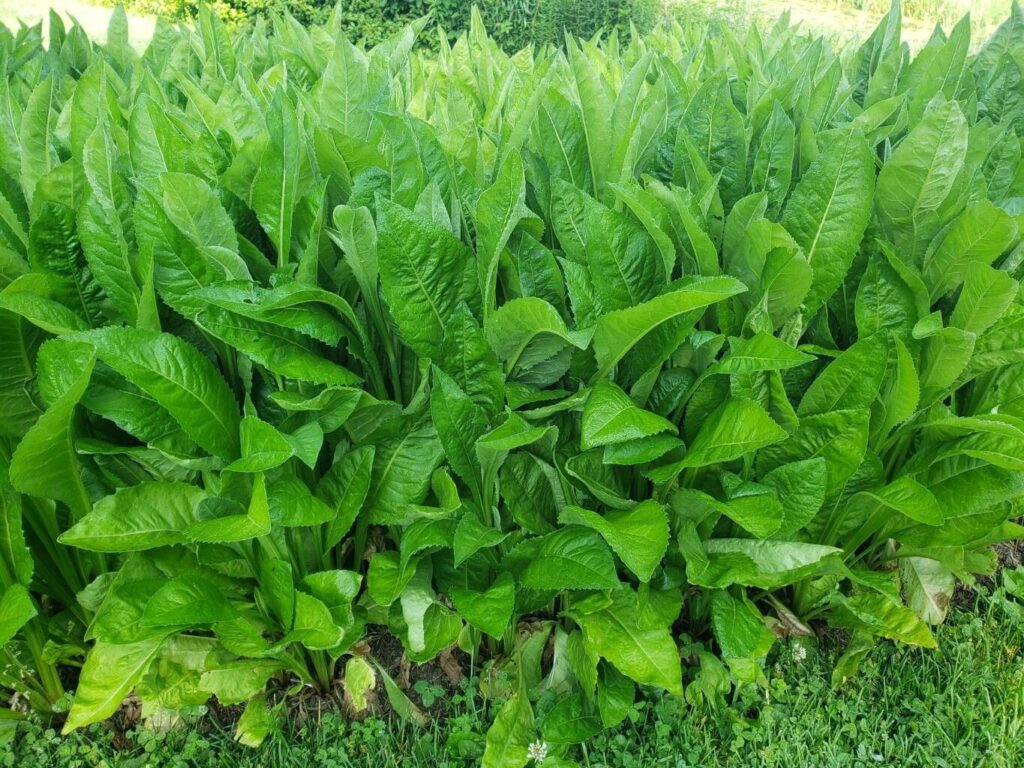
Propagating the Tatarinow’s Aster (Aster tataricus): A Gardener’s Guide
Introduction:
Aster tataricus, commonly known as Tatarinow’s Aster or Tatarian aster, is a striking perennial boasting tall, sturdy stems adorned with lance-shaped leaves and culminating in large, fluffy panicles of lavender-purple flowers in late summer and autumn. Its late-blooming habit makes it a valuable addition to any garden, extending the season of interest. Its robust nature and impressive height (reaching up to 6 feet or more) contribute to its popularity amongst gardeners, although its size also presents some unique challenges in propagation. Many find the sheer scale of this plant rewarding, and mastering its propagation methods adds considerable satisfaction.
Seed Germination:
Currently, there are no known reliable methods for seed germination propagation of Aster tataricus. While seeds may be produced, their germination rate is extremely low, and often inconsistent. Factors such as dormancy mechanisms and unpredictable germination conditions contribute to the difficulty. Attempts at stratification (chilling the seeds to break dormancy) have yielded limited success. Therefore, seed propagation is generally not recommended for this species.
Cuttings:
Cuttings offer a moderately successful approach to propagating Aster tataricus.
-
Challenges: The success rate can vary depending on timing and technique. Hardwood cuttings taken in late autumn or winter generally perform poorly. Semi-hardwood cuttings, taken in early summer, offer the best chance of success. The large size of the stems requires extra care.
-
Practical Tips: Take approximately 4-6 inch cuttings from non-flowering stems. Remove lower leaves to avoid rot. Dip the cut ends in rooting hormone powder and plant them in a well-draining propagation mix, maintaining consistent moisture but avoiding waterlogging. A humidity dome or propagator will greatly increase success rates. Root formation can take several weeks or even months.
- Rewards: Cuttings provide a relatively straightforward way to clone a desirable plant, ensuring its exact genetic characteristics are maintained. It’s a practical option for smaller-scale propagation of selected cultivars.
Division:
Division is the most reliable and commonly used method for propagating Aster tataricus.
-
Challenges: The large, established root system can be challenging to divide effectively without damaging the plant. Improper division can lead to weak plants or failure to re-establish. Timing is crucial – dividing too early or too late in the growing season can negatively impact success.
-
Practical Tips: The best time to divide is in early spring, just as new growth emerges. Dig up the mature plant carefully, ensuring as much of the root system is intact as possible. Use a sharp, clean spade or knife to separate the crown into multiple sections, each containing healthy roots and several stems. Replant the divisions immediately, ensuring they have adequate space to grow.
- Rewards: Division is highly effective, producing many new plants quickly. It’s less technically demanding than cuttings or tissue culture, making it accessible to amateur gardeners.
Tissue Culture:
Tissue culture is a viable but specialized method for propagating Aster tataricus.
-
Challenges: This technique requires specialized equipment, sterile conditions, and often a level of botanical expertise. It’s more resource-intensive and expensive than other methods.
-
Practical Tips: Establishing an in vitro culture requires skill in sterilizing plant material, preparing nutrient media, and managing potential contamination. Using a lab setting is necessary to ensure success.
- Rewards: Tissue culture allows for mass propagation of genetically identical plants, particularly valuable for rare or desirable cultivars. It also provides the potential to eliminate diseases and create virus-free stock.
Conclusion:
Propagating Aster tataricus presents varying levels of difficulty depending on the chosen method. While seed propagation is unreliable, division offers the most straightforward approach for most gardeners. Cuttings provide an alternative, although requiring patience and attention to detail. Tissue culture serves as a powerful tool for mass propagation but demands specialized knowledge and resources. The rewards, however, are significant. Successfully propagating this magnificent aster, whether from a single crown division or a carefully nurtured cutting, offers a unique sense of accomplishment and pride. The sheer size and vibrant autumn blooms more than compensate for the effort, making it a rewarding experience for any dedicated gardener. Don’t be discouraged by the challenges; persevere, and you will experience the satisfaction of multiplying the beauty of this majestic plant.