
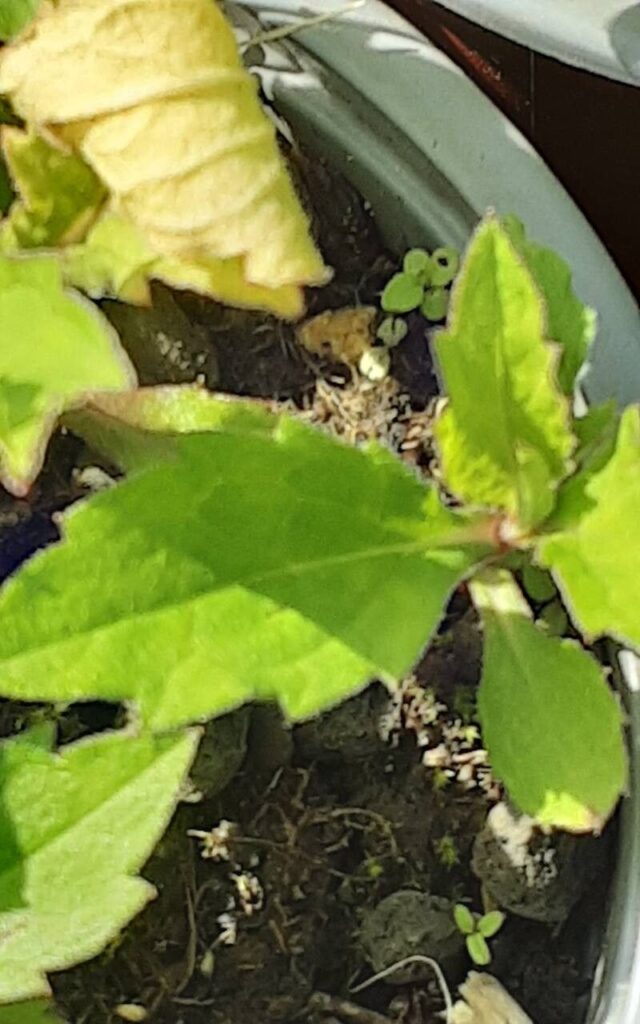
Propagating Aster trinervius: A Gardener’s Guide to the Three-Nerved Aster
Aster trinervius, commonly known as the three-nerved aster, is a charming herbaceous perennial prized for its delicate, daisy-like flowers and its ability to thrive in a range of conditions. Its attractiveness to pollinators and its relatively low maintenance requirements have contributed to its growing popularity among home gardeners. Propagating Aster trinervius, however, presents some unique challenges, making successful cultivation all the more rewarding.
Seed Germination:
Currently, there are no known reliable methods for seed germination propagation of Aster trinervius. While the plant does produce seeds, their viability and germination rate appear to be exceptionally low, making this method impractical for most gardeners.
Cuttings:
Cuttings offer a more reliable method for propagating Aster trinervius.
Challenges: Rooting can be slow and inconsistent. Success depends on factors such as the age and health of the parent plant, the timing of the cuttings, and the environmental conditions.
Practical Tips: Semi-hardwood cuttings taken in late summer or early autumn generally yield the best results. Use a sharp, clean blade to take cuttings approximately 4-6 inches long, removing lower leaves to prevent rot. Dip the cut ends in rooting hormone before planting in a well-draining, moist potting mix. Maintain high humidity using a propagation dome or plastic bag to encourage root development. Keep the cuttings in a warm, shaded location.
Rewards: Cuttings offer a relatively quick way to increase the number of plants, preserving the exact genetic characteristics of the parent plant.
Division:
Division is arguably the most successful and straightforward method for propagating Aster trinervius.
Challenges: The timing is crucial. Division is best performed in spring or autumn, when the plant is actively growing or beginning to enter dormancy. Care must be taken not to damage the root system during division.
Practical Tips: Gently lift the entire plant from the ground, carefully separating the root ball into smaller sections, each with healthy roots and several stems. Replant the divisions immediately in prepared soil, ensuring adequate spacing. Water thoroughly after planting.
Rewards: This method is quick and efficient, producing multiple new plants with relatively high success rates. It is a low-tech approach, making it accessible to gardeners of all skill levels.
Tissue Culture:
Tissue culture propagation of Aster trinervius is theoretically possible but is generally not a practical method for home gardeners.
Challenges: This technique requires specialized equipment, a sterile environment, and considerable technical expertise. It is a time-consuming and costly process, typically undertaken by professional nurseries or research institutions.
Practical Tips: This method is not recommended for the amateur gardener due to the high technical and infrastructural requirements.
Rewards: Tissue culture allows for the rapid proliferation of a large number of plants from a single source, maintaining genetic uniformity.
Conclusion:
While seed germination is unreliable for propagating Aster trinervius, cuttings and particularly division offer viable and accessible methods for home gardeners. Division provides the simplest and most effective approach. The challenges associated with propagating this beautiful plant underscore the satisfaction derived from successfully cultivating it. The perseverance required enhances the sense of accomplishment when a new plant thrives. Don’t be discouraged by initial setbacks; with patience and attention to detail, the rewards of propagating Aster trinervius will make the effort worthwhile. New gardeners should start by practicing division, and those with more experience may explore the slightly more challenging method of cuttings propagation.