
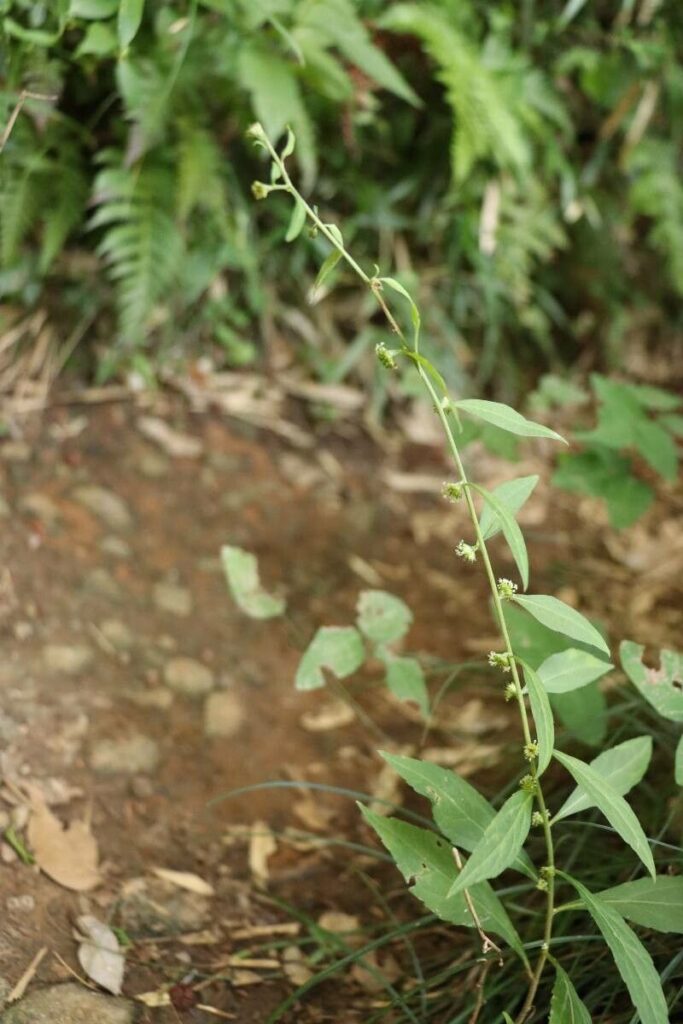
Propagating Whorled Aster (Aster verticillatus): A Gardener’s Guide
Introduction
Aster verticillatus, commonly known as whorled aster, is a charming native North American wildflower prized for its delicate, white to pale lavender flowers arranged in whorls around the stem. Its late summer to fall bloom adds a crucial burst of color to gardens, providing a vital food source for pollinators at a critical time of year. This herbaceous perennial, with its elegant upright habit and relatively low maintenance requirements, has earned a well-deserved spot in many gardeners’ hearts. However, propagation isn’t always straightforward, posing a unique challenge and reward for those who attempt it. This article explores various propagation methods for Aster verticillatus, outlining both their successes and limitations.
Seed Germination
Currently, there are no known reliable methods for seed germination propagation of Aster verticillatus. While the plant does produce seeds, germination rates are reportedly extremely low and inconsistent, even under carefully controlled conditions. Further research is needed to determine optimal germination techniques, if any exist.
Cuttings
- Challenges: Softwood cuttings taken in spring from new growth show the most promise, but success is still not guaranteed. Root development can be slow and prone to rot if conditions aren’t perfectly balanced.
- Practical Tips: Use a sharp, clean blade to take 3-4 inch cuttings, removing lower leaves to prevent rot. Dip the cut ends in rooting hormone and plant in a well-draining propagation mix (e.g., perlite and peat moss). Maintain consistently moist (but not soggy) conditions under high humidity (e.g., a propagator dome). Mist regularly.
- Rewards: Successful propagation from cuttings offers a relatively quick way to increase the number of plants, faithfully replicating the parent plant’s characteristics.
Division
- Challenges: Division is arguably the most reliable method. However, Aster verticillatus doesn’t readily form large clumps, restricting the number of divisions possible from a single mature plant. Improper division can also harm the parent plant.
- Practical Tips: The best time to divide is in early spring or fall. Carefully dig up the entire plant and gently separate the root system into smaller sections, ensuring each division has healthy roots and multiple growing points. Replant immediately, ensuring adequate spacing.
- Rewards: Division provides the most efficient method for increasing plant numbers for existing mature plants, and avoids the long wait associated with cuttings.
Tissue Culture
- Challenges: Tissue culture is a complex and specialized technique requiring sterile conditions, specific nutrient media, and specialized equipment that is not readily available for most home gardeners. It is highly labor-intensive.
- Practical Tips: Sterile techniques are paramount here. Small explants (pieces of plant tissue) from actively growing shoots are cultured on a nutrient agar medium. Once sufficient growth is observed, they are further subcultured and gradually acclimatized to normal growing conditions.
- Rewards: Tissue culture allows for the rapid and mass propagation of identical plants (clones), offering significant potential for commercial production and preservation of rare genotypes.
Conclusion
Propagating Aster verticillatus presents a unique set of hurdles. While seed germination appears unreliable, cuttings and division offer viable (though not always easy) options for the home gardener. Tissue culture, while the most efficient method for large-scale propagation, requires specialized skills and equipment. The challenges involved, however, are directly proportional to the satisfaction gained from successfully nurturing these plants from cuttings or divisions. The successful propagation of this elegant native wildflower is a testament to the gardener’s perseverance and understanding of the plant’s particular needs. Don’t be discouraged by initial setbacks. Careful attention to detail, patience, and a willingness to experiment will significantly enhance your chances of success. Remember to start with healthy parent plants and maintain optimal environmental conditions throughout the propagation process. The beauty of a thriving whorled aster, grown from your own efforts, is a reward well worth the endeavor.