
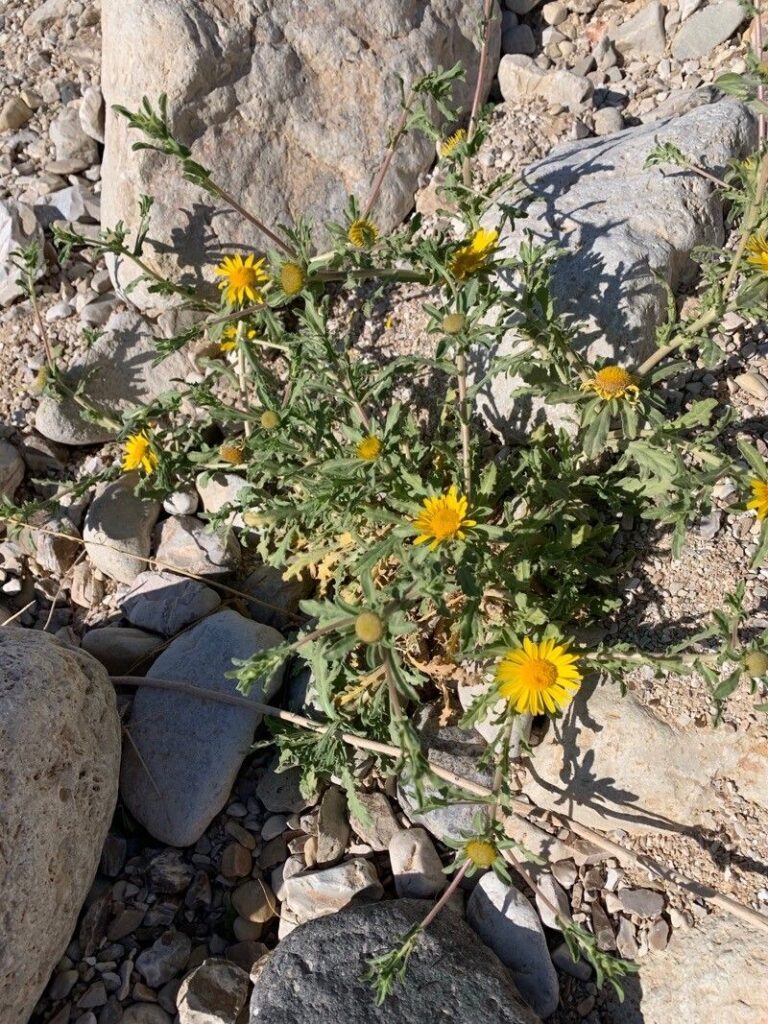
Propagating Asteriscus graveolens: The Sweet-Scented Challenge
Introduction:
Asteriscus graveolens, commonly known as the Mediterranean daisy or golden star, is a charming perennial boasting vibrant yellow, daisy-like flowers and a delightful fragrance. Its drought tolerance, low maintenance, and prolific blooming make it a highly desirable addition to rock gardens, borders, and containers, earning it considerable popularity among gardeners. However, propagation of this sun-loving beauty can present some unique challenges, making successful cultivation all the more rewarding.
Seed Germination:
Currently, there are no known reliable methods for seed germination propagation of Asteriscus graveolens. While seeds may be produced, germination rates are exceptionally low, and consistent success has not been documented in horticultural literature. Further research into specific germination requirements, including potential stratification or pre-treatment techniques, is needed.
Cuttings:
Cuttings offer a more reliable method for propagating Asteriscus graveolens.
Challenges: The success rate can depend heavily on timing and technique. Using semi-hardwood cuttings taken in late summer or early autumn generally yields the best results. These cuttings can be prone to rot if not handled carefully.
Practical Tips: Take 4-6 inch cuttings from healthy, non-flowering stems. Remove lower leaves to prevent rot, and dip the cut ends in a rooting hormone powder before planting in a well-draining propagation mix. Maintain a consistently moist but not soggy environment, ideally under a humidity dome or misting regularly. Rooting typically takes several weeks.
Rewards: Cuttings provide a quick and efficient method for creating genetically identical copies of a desirable mother plant, preserving its specific characteristics. This is particularly useful for propagating superior cultivars.
Division:
Division is a relatively straightforward method for propagating established Asteriscus graveolens plants.
Challenges: Division should be performed during the plant’s dormant period (late autumn or early spring) to minimize stress. Care needs to be taken to ensure each division receives a sufficient root system to establish itself successfully. Overly aggressive division can damage the plant.
Practical Tips: Carefully dig up the mature plant and gently separate it into smaller clumps, each with its own established roots and several stems. Replant immediately, ensuring proper spacing and watering.
Rewards: Division is a quick method for increasing the number of plants and is less technically demanding than cuttings or tissue culture. It also ensures the maintenance of desirable traits from the parent plant.
Tissue Culture:
Tissue culture propagation of Asteriscus graveolens is largely unexplored in published research.
Challenges: Establishing sterile propagation protocols for this species would require significant research, including identifying appropriate culture media, growth hormones, and sterilization techniques. The process is also more complex and expensive than other propagation methods.
Practical Tips: This propagation method is not recommended for home gardeners without specialist equipment and knowledge.
Rewards: Tissue culture offers the potential for large-scale propagation and disease-free plants, and could be critical for conservation efforts relating to this species.
Conclusion:
Propagating Asteriscus graveolens presents both challenges and rewards. While seed germination remains unreliable, cuttings and division offer viable and relatively accessible options for home gardeners. Tissue culture represents a potentially valuable but technically demanding approach for larger scale propagation or conservation. The effort involved in overcoming these propagation hurdles, however, is significantly repaid by the beauty and fragrance of these captivating plants. The satisfaction of nurturing a tiny cutting into a flourishing Mediterranean daisy, or successfully dividing a mature plant, offers a unique connection to the natural world and a sense of accomplishment that far outweighs the initial challenges. Don’t be discouraged by the initial difficulties – experiment, learn from setbacks, and enjoy the journey of bringing more of these sun-kissed beauties into your garden.