
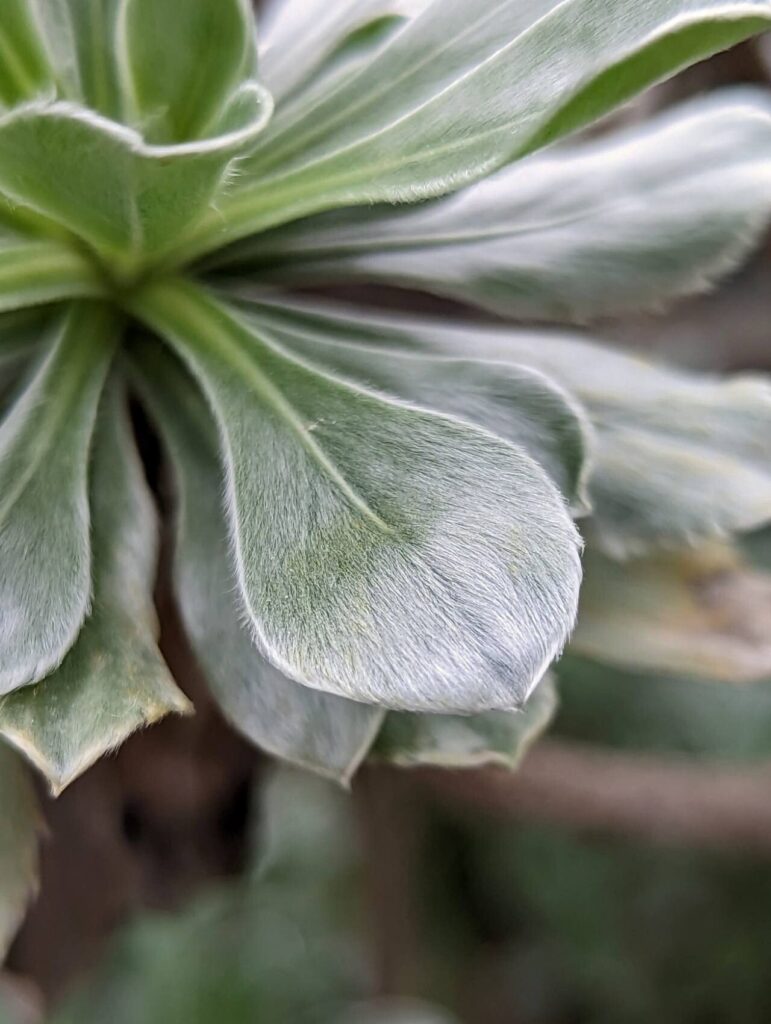
Propagating the Silvery Sunburst: A Guide to Asteriscus sericeus
Introduction:
Asteriscus sericeus, commonly known as the Silvery Sunburst or Golden-starred Scabious, is a charming, low-growing perennial boasting vibrant yellow daisy-like flowers and silvery, hairy foliage. Its drought tolerance and sun-loving nature make it a popular choice for rock gardens, borders, and containers. Its prolific flowering and attractive form have secured its place in many gardeners’ hearts. However, propagating this captivating plant presents some unique challenges, making successful propagation all the more rewarding.
Seed Germination:
Currently, there are no known reliable methods for seed germination propagation of Asteriscus sericeus. While seeds may be produced, germination rates are exceptionally low, and successful seedling establishment is rarely reported. Further research into specific germination requirements, such as light exposure, temperature, and pre-treatment, might yield better results in the future.
Cuttings:
Cuttings offer a more reliable method of propagation for Asteriscus sericeus.
-
Challenges: The success rate can vary depending on the timing and technique. Softwood cuttings taken in spring or semi-hardwood cuttings in summer tend to root best. Taking cuttings from healthy, actively growing stems is crucial.
-
Practical Tips: Take cuttings approximately 4-6 inches long, removing lower leaves to prevent rot. Dip the cut ends in a rooting hormone powder before planting them in a well-draining, moist propagation mix (e.g., a mix of perlite and peat moss). Maintain a high humidity level, ideally by covering the cuttings with a plastic bag or dome, and ensure adequate indirect light. Roots usually form within 4-6 weeks.
- Rewards: Cuttings offer a relatively quick way to produce genetically identical plants, ensuring you maintain the desired characteristics of the parent plant. This is a practical method for small-scale propagation to expand your existing plants.
Division:
Division is another viable, though less frequent, propagation method for Asteriscus sericeus.
-
Challenges: Asteriscus sericeus doesn’t readily lend itself to division like some other perennials. Dividing the plant too aggressively can damage the root system, resulting in poor establishment of the divisions.
-
Practical Tips: Division is best performed in spring or autumn when the plant is actively growing but not flowering. Gently dig up the plant and carefully separate the root ball into smaller clumps, ensuring each division has a good portion of healthy roots and foliage. Plant the divisions immediately in well-prepared soil, keeping them adequately watered until established.
- Rewards: Division is a simple method for increasing the number of plants, provided it’s done correctly. Established divisions may flower earlier than cuttings.
Tissue Culture:
Tissue culture is a laboratory-based propagation method not commonly employed for Asteriscus sericeus.
-
Challenges: This method requires specialized equipment, sterile conditions, and considerable expertise, making it impractical for most home gardeners.
-
Practical Tips: Tissue culture protocols for Asteriscus sericeus are not widely available. Success hinges on selecting appropriate media, growth regulators, and maintaining strict aseptic conditions.
- Rewards: Tissue culture allows for the rapid multiplication of plants, especially valuable for the conservation or propagation of rare or disease-free plants. It also offers potential for disease elimination.
Conclusion:
Propagating Asteriscus sericeus presents a unique set of challenges, with seed germination proving unreliable. However, cuttings and division offer viable options, each with its own advantages and disadvantages. While tissue culture remains a specialized method, the potential for rapid propagation exists. The inherent difficulties in propagating this plant simply serve to amplify the immense satisfaction of successfully nurturing a new generation of silvery sunbursts, rewarding the patient grower with a vibrant tapestry of sunny blooms. Aspiring propagators should start with the less challenging methods of cuttings and cautious division, honing their skills before potentially venturing into the more complex world of tissue culture. The vibrant reward is well worth the effort!