
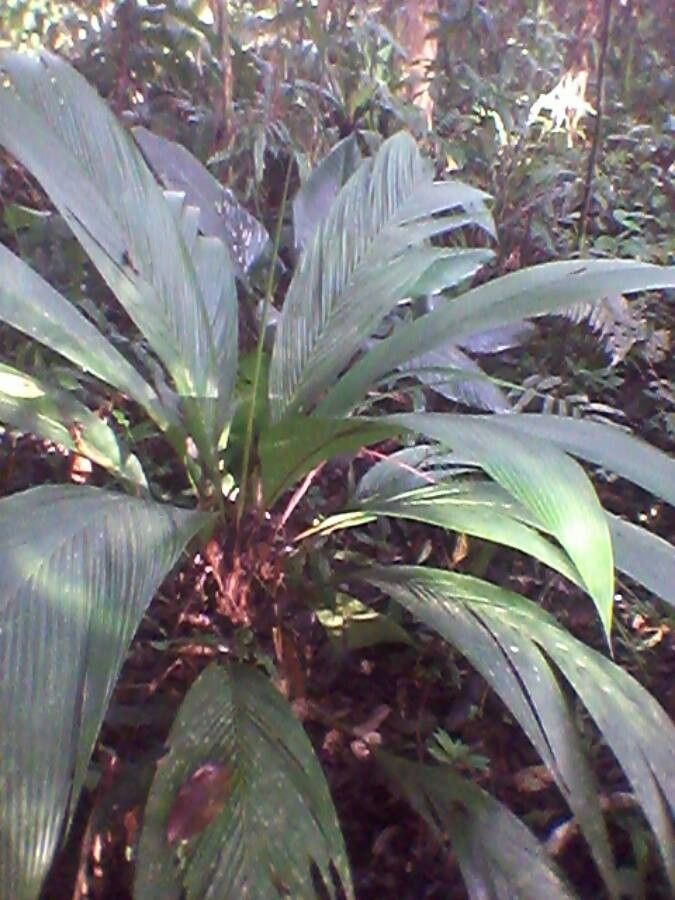
Propagating the Jupati Palm (Asterogyne martiana): A Gardener’s Guide
Introduction:
Asterogyne martiana, commonly known as the Jupati palm, is a striking species native to the rainforests of Central and South America. Characterized by its attractive, spiny petioles and relatively slow growth, it holds a growing appeal among collectors and enthusiasts of unique palms. Its potential for use in landscaping, particularly in tropical and subtropical gardens, further contributes to its horticultural significance. However, propagating the Jupati palm presents unique challenges, making successful cultivation a rewarding accomplishment. While its slow growth naturally limits rapid propagation, the rewards of cultivating this distinctive plant are significant.
Seed Germination:
Seed germination is a viable, albeit challenging, method for propagating Asterogyne martiana. The primary challenge lies in the relatively low germination rate and the potential for fungal attack on the seeds and seedlings. Freshly collected seeds offer the best chance of success.
Practical Tips:
- Pre-treatment: Soaking seeds in warm water for 24-48 hours before sowing can improve germination rates. There’s currently limited research on the specific stratification requirements for Asterogyne martiana, but experimentation with differing temperatures and durations may prove beneficial.
- Sowing Technique: Sow seeds individually in well-draining seed-starting mix, ideally in small pots or cells to minimize transplanting shock. Maintain high humidity using propagation domes or plastic bags.
- Rewards: Successful seed germination allows for increased genetic diversity within a collection and offers the potential for large-scale propagation for commercial or conservation purposes.
Cuttings:
Currently, there are no known reliable methods for propagating Asterogyne martiana using cuttings. The palm’s physiology does not lend itself easily to this propagation technique, unlike some other palm species.
Division:
Division is not a practical method for propagating Asterogyne martiana. The plant’s single-stemmed growth habit does not allow for the separation of offshoots or suckers as seen in clumping palms.
Tissue Culture:
Tissue culture offers a potentially high-yielding method for propagating Asterogyne martiana, although it requires specialized facilities and expertise. This approach bypasses the challenges of seed germination and offers the potential for large-scale, genetically uniform propagation.
Challenges: Establishing a reliable tissue culture protocol for Asterogyne martiana requires considerable research and experimentation to determine optimal media composition, growth regulators, and sterilization techniques. The costs associated with setting up and maintaining a tissue culture laboratory are also significant.
Rewards: Tissue culture provides the opportunity for rapid multiplication of desirable genotypes and the production of disease-free plants on a large scale.
Conclusion:
Propagating Asterogyne martiana presents a unique set of challenges, particularly when compared to more readily propagated plants. While seed germination is possible with patience and careful technique, tissue culture offers a more promising, albeit expensive, approach for high-volume production. The absence of viable cutting or division methods further highlights the plant’s inherent propagation difficulties.
However, the satisfaction of successfully nurturing a Jupati palm from seed or via tissue culture is undeniably rewarding. The distinctive beauty and unique character of this palm make the effort worthwhile for dedicated gardeners and collectors. For aspiring propagators, perseverance, meticulous attention to detail, and a willingness to experiment are key to success. Remember to research further and adapt techniques based on your specific climate and resources. The journey, though challenging, promises a richly deserved reward.