
Propagating Astragalus arenarius: A Guide for the Determined Gardener
Introduction:
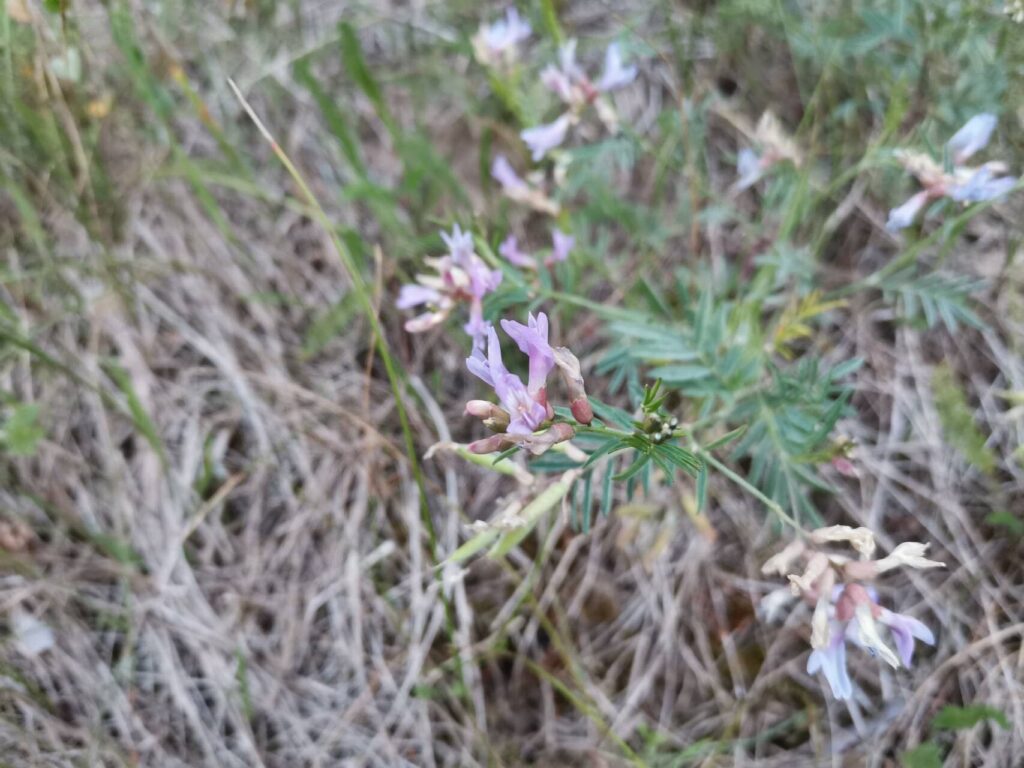
Astragalus arenarius, also known as the sand milkvetch, is a charming, low-growing perennial legume prized for its delicate, pea-like flowers and its adaptability to sandy, well-drained soils. Its drought tolerance and attractive silvery foliage make it a popular choice among gardeners seeking hardy, low-maintenance groundcover. However, propagating this resilient plant can present some unique challenges, primarily due to its often recalcitrant seeds and relatively slow growth. Its popularity among enthusiasts, however, spurs continuous experimentation with propagation methods.
Seed Germination:
Currently, there are no known reliable methods for seed germination propagation of Astragalus arenarius. While seeds may be produced, their germination rates are notoriously low, and even under optimal conditions, consistent success is elusive. Researchers are yet to identify a successful pretreatment (like stratification) or sowing technique that overcomes the inherent dormancy of the seeds. This makes seed propagation an unreliable method for most gardeners.
Cuttings:
Propagating Astragalus arenarius from cuttings presents a more viable, albeit challenging, option.
- Challenges: Sand milkvetch cuttings are slow to root, and success heavily depends on timing and technique. The success rate is usually low, possibly due to limited auxin production or susceptibility to fungal diseases.
- Practical Tips: Softwood cuttings taken in early summer, after new growth has hardened slightly, offer higher chances of success. Dip the base of the cutting in rooting hormone to encourage root development. Use a well-draining propagation mix (e.g., a mix of perlite and vermiculite) and maintain high humidity under a mist propagation system or by covering with a plastic dome. Providing bottom heat can also improve rooting.
- Rewards: While slow, successful rooting from cuttings yields genetically identical plants to the mother plant, preserving desirable traits.
Division:
Division is a potentially effective method for propagating established Astragalus arenarius plants.
- Challenges: Astragalus arenarius doesn’t readily form extensive root systems suitable for easy division. Dividing the plant too aggressively could severely damage it, potentially leading to plant death.
- Practical Tips: Division is best undertaken in early spring or late autumn, when the plant is dormant. Carefully dig up the entire plant, gently separate it into several smaller portions, ensuring each division has healthy roots and shoots. Replant immediately, ensuring adequate spacing.
- Rewards: Division provides a relatively fast and reliable method of increasing the number of plants, especially when dealing with mature plants.
Tissue Culture:
Tissue culture propagation of Astragalus arenarius has not been extensively explored in the literature.
- Challenges: Establishing a reliable protocol for tissue culture is complex and requires specialized equipment and expertise. It may involve significant experimentation to determine optimal media compositions and growth regulators. The inherent recalcitrance observed in seed germination might extend to tissue culture difficulties.
- Practical Tips: Literature on tissue culture of related Astragalus species might provide guidance. Research into optimal growth media, plant growth regulators (PGRs), and sterilization techniques would be essential.
- Rewards: Tissue culture would offer the potential for rapid large-scale propagation and disease-free plants.
Conclusion:
Propagating Astragalus arenarius presents a unique set of challenges, with seed germination proving largely unreliable. Cuttings offer a more practical approach, though patience and skill are required to achieve a reasonable success rate. Division is feasible for established plants, but requires careful technique to avoid damage. Tissue culture remains largely unexplored but holds potential for mass propagation.
The satisfaction derived from successfully cultivating this charming plant, considering the obstacles, is undeniably rewarding. The perseverance required cultivates a deep appreciation for the resilience of nature and the gardener’s skill in coaxing life from these seemingly challenging plants. To aspiring propagators, we recommend starting with cuttings focusing on meticulous technique and maintaining optimism. Remember, even small successes are a testament to your dedication and a step closer to enjoying a healthy stand of sand milkvetch in your garden.