
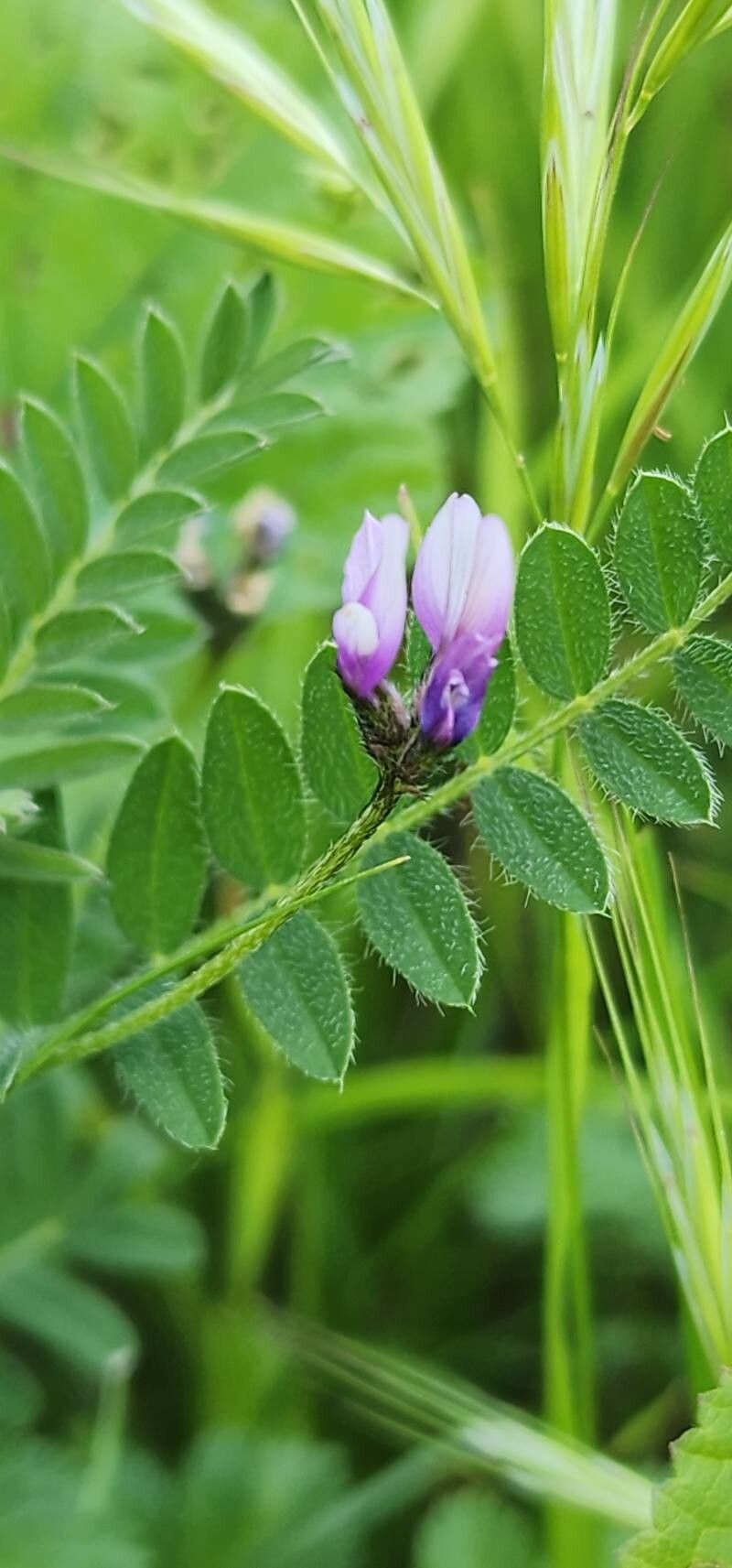
Propagating Astragalus asterias: Challenges and Rewards of Cultivating the Starry Milkvetch
Introduction:
Astragalus asterias, commonly known as the Starry Milkvetch, is a captivating perennial herb prized for its delicate, star-shaped purple flowers and its silvery-green foliage. This member of the Fabaceae family is relatively rare in cultivation, adding to its allure among gardeners seeking unusual and beautiful additions to their landscapes. Its adaptability to dry conditions and its role in supporting pollinators further enhance its horticultural significance. However, its propagation presents some unique challenges, making successful cultivation all the more rewarding.
Seed Germination:
Currently, there are no known reliable methods for seed germination propagation of Astragalus asterias. While seeds may be produced, germination rates are reportedly extremely low, and consistent success remains elusive. Further research into specific germination requirements, including potential stratification techniques, is needed.
Cuttings:
The propagation of Astragalus asterias via cuttings presents moderate challenges. Success relies heavily on timing and technique.
- Challenges: Hardwood cuttings are generally not successful. Softwood cuttings taken in spring or early summer offer the best chance of success. However, even with optimal conditions, rooting can be slow and inconsistent.
- Practical Tips: Use a sharp knife or shears to take cuttings about 4-6 inches long, removing lower leaves to prevent rot. Dip the cut ends in a rooting hormone before planting in a well-draining mix, such as a perlite and peat moss blend. High humidity and consistent warmth (around 70-75°F) are crucial. Consider using a propagation dome or misting system to maintain humidity levels.
- Rewards: Successfully rooted cuttings offer a relatively quick way to increase the number of plants, especially for preserving a specific desirable genotype.
Division:
Division is a potentially viable method for propagating Starry Milkvetch, though it’s restricted by the plant’s growth habit.
- Challenges: Astragalus asterias typically forms a relatively compact root system, limiting the number of divisions possible from a single plant. Disturbing the root system can also stress the plant. Division should only be attempted in early spring or fall when the plant is dormant.
- Practical Tips: Carefully dig up the established plant, gently separating the root crown into smaller sections, ensuring each division has healthy roots and shoots. Replant immediately in well-drained soil, watering gently.
- Rewards: Division allows for a relatively straightforward increase in plant numbers, preserving the genetic characteristics of the parent plant. It minimizes the stress associated with other propagation methods.
Tissue Culture:
Tissue culture offers the potential for large-scale propagation of Astragalus asterias, but it requires specialized equipment, technical expertise, and a sterile laboratory environment.
- Challenges: Establishing a reliable protocol for tissue culture propagation of this species would require significant research and experimentation. This is likely the most costly and technically demanding method.
- Practical Tips: This method requires sterile conditions and specialized media, and is best left to professionals with experience in plant tissue culture.
- Rewards: Tissue culture offers the potential for rapid and large-scale propagation, allowing for the conservation of rare genotypes and the efficient production of planting material for restoration projects or commercial purposes.
Conclusion:
Propagating Astragalus asterias presents a unique challenge for the enthusiastic gardener. While seed germination appears unreliable currently, cuttings and division offer modest success rates contingent on meticulous execution. Tissue culture is a potentially viable avenue for large-scale production but presents significant technical hurdles. The rewards, however, are considerable: the satisfying experience of successfully cultivating this rare and beautiful plant, the contribution to its conservation, and the simple joy of growing something unique and challenging. Aspiring propagators should start with divisions if possible, and patiently experiment with cuttings, while keeping in mind that diligence and careful observation are crucial for success with this fascinating member of the plant kingdom.