
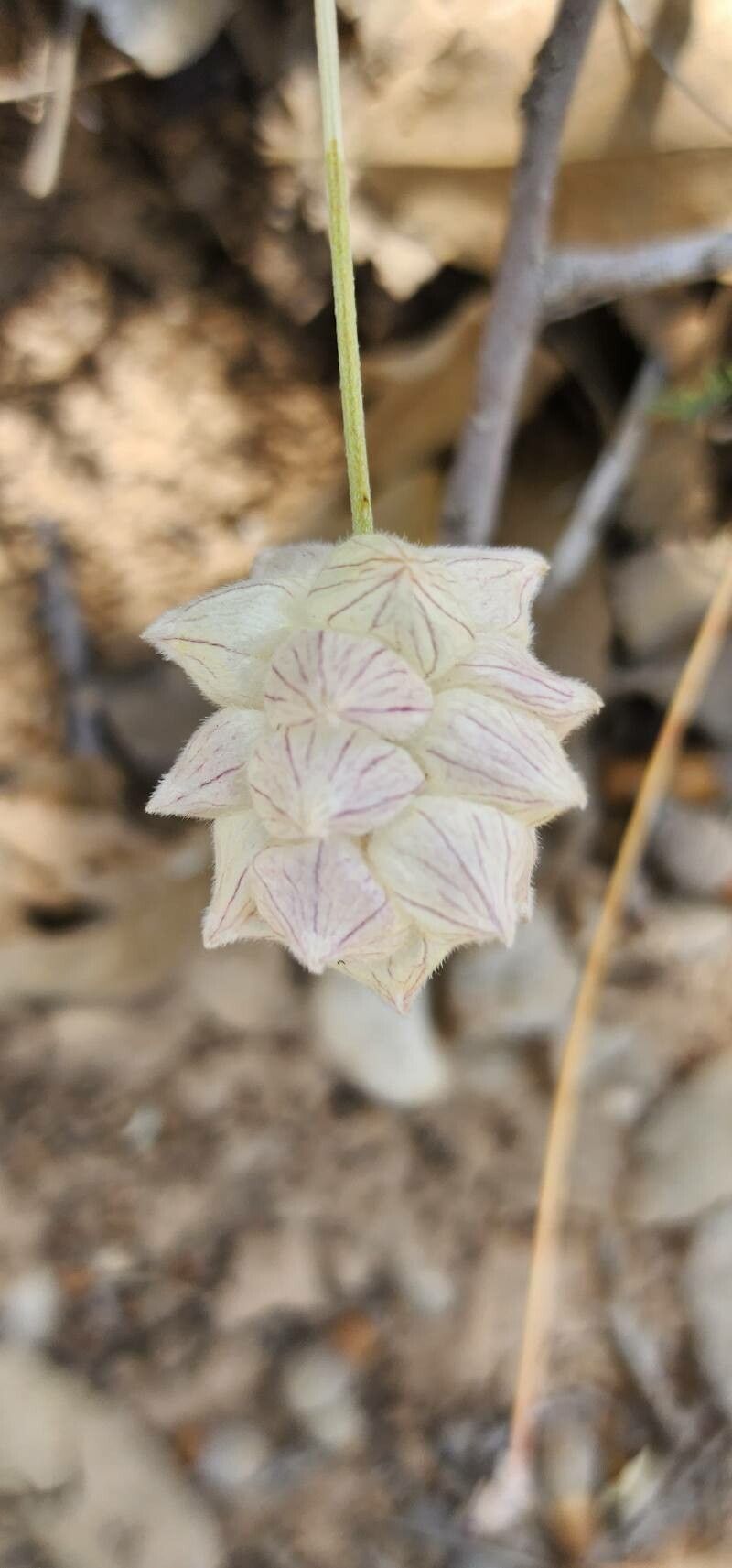
Propagating Astragalus cephalanthus: A Gardener’s Challenge
Introduction:
Astragalus cephalanthus, commonly known as the Woolly Locoweed, is a fascinating perennial plant prized for its unique, globe-shaped flower heads and silvery-gray foliage. While not as widely cultivated as some other ornamentals, its hardiness and distinctive appearance make it a desirable addition to drought-tolerant gardens and xeriscapes. Its propagation, however, presents a unique set of challenges, making successful cultivation all the more rewarding. The plant’s specific propagation methods are not extensively documented, making experimentation and careful observation crucial.
Seed Germination:
Currently, there are no known reliable methods for seed germination propagation of Astragalus cephalanthus. While seeds may be produced, their germination rate is reportedly extremely low, and successful germination has not been consistently replicated. Further research into specific pretreatment techniques, such as different stratification periods or scarification methods, is needed to determine if viable seed germination is possible.
Cuttings:
Propagating Astragalus cephalanthus from cuttings presents a moderately challenging but potentially viable approach.
Challenges: Woolly Locoweed’s woody stems may be difficult to root. Success rates may be low, and rooting hormones may be necessary to stimulate root development.
Practical Tips: Softwood cuttings taken in early summer, just as new growth emerges, and treated with rooting hormone show the highest potential for success. Use a well-draining propagation mix and maintain high humidity using a humidity dome or plastic bag. Careful monitoring for fungal diseases is crucial.
Rewards: Successful propagation from cuttings allows for the creation of genetically identical plants, preserving desirable traits. It’s a relatively low-cost method compared to tissue culture.
Division:
Division is a potentially viable method for propagation of established Astragalus cephalanthus plants.
Challenges: Astragalus cephalanthus may have a relatively deep and robust taproot system, making division difficult without damaging the plant. The plant may not readily recover if divided improperly.
Practical Tips: Division is best performed in early spring or autumn when the plant is less stressed. Use a sharp, clean spade or knife to carefully separate the plant into sections, ensuring each division has sufficient root mass. Plant the divisions immediately in well-draining soil.
Rewards: Division is a relatively simple method once the plant is established and offers a quick way to increase the number of plants.
Tissue Culture:
Tissue culture offers the potential for large-scale propagation of Astragalus cephalanthus, overcoming many of the challenges associated with other methods.
Challenges: Establishing a successful tissue culture protocol for Astragalus cephalanthus would require significant expertise and resources, including specialized laboratory equipment and media. Sterility is paramount to prevent contamination.
Practical Tips: A successful protocol would need to be carefully developed using various growth hormones and culture media to stimulate shoot and root development. Sterile techniques and rigorous monitoring are crucial throughout the process.
Rewards: Tissue culture allows for the mass production of genetically identical plants, offering consistency and the ability to rapidly increase the number of plants available. This could be crucial for conservation efforts for the species.
Conclusion:
Propagating Astragalus cephalanthus poses unique challenges across all methods. While seed germination currently appears unreliable, cuttings and division offer more promising approaches, though requiring patience and careful techniques. Tissue culture presents the most potential for large-scale propagation but demands expertise and resources. The potential rewards, however, are significant – the opportunity to preserve the beauty and resilience of this fascinating plant in gardens and beyond. The satisfaction of successfully propagating this challenging plant outweighs the effort, reinforcing the connection between gardener and the natural world. We encourage aspiring propagators to approach the process with careful observation, patience, and a spirit of experimentation. Documenting your results can contribute valuable knowledge to the cultivation of this intriguing species.