
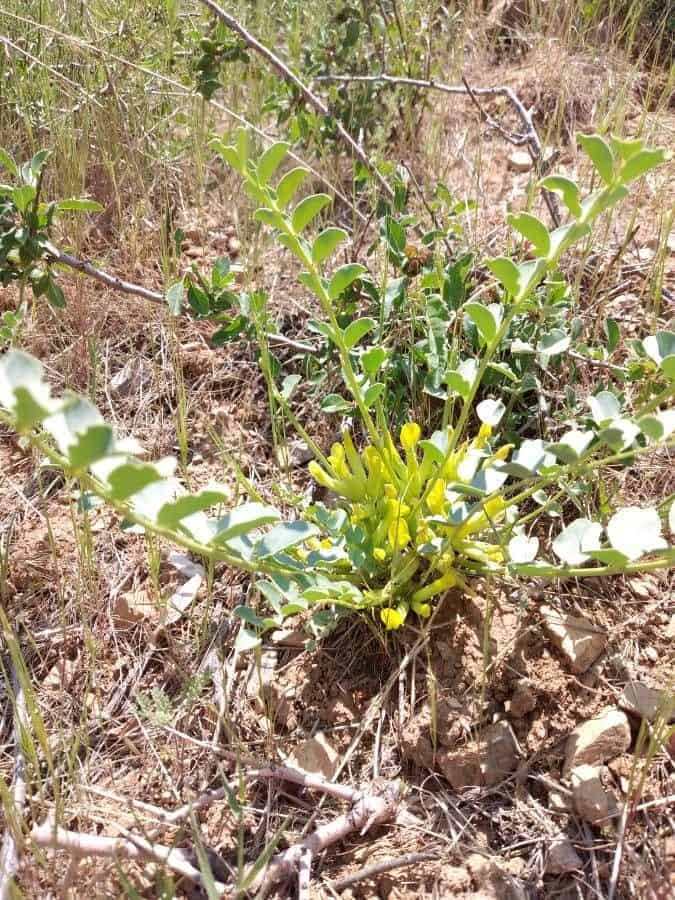
Taming the Wild: Propagating the Elusive Astragalus caprinus
Astragalus caprinus, also known as the Goat’s-thorn Milkvetch, is a captivating plant with delicate foliage and unique seed pods. Native to the Mediterranean region, this wildflower adds a touch of exotic beauty to any garden willing to welcome it. However, cultivating Astragalus caprinus is not for the faint of heart. Propagation can be a challenging endeavor, requiring patience, precision, and a touch of luck.
This guide unravels the mysteries of propagating Astragalus caprinus, offering valuable insights for both seasoned gardeners and curious beginners willing to embrace a rewarding challenge.
Two Paths to Choose From: Seeds and Cuttings
While Astragalus caprinus can be propagated through seeds or cuttings, each method presents its own set of complexities:
1. Seed Propagation: A Test of Patience
- Sourcing the Seeds: Obtaining seeds is the first hurdle. Reputable online retailers specializing in rare or wildflower seeds are your best bet.
- Breaking Dormancy’s Grip: Astragalus caprinus seeds possess a hard seed coat and internal dormancy mechanisms. To improve germination rates, two key steps are crucial:
- Scarification: Gently rub the seeds with sandpaper or a nail file to nick the seed coat, allowing water absorption.
- Stratification: Mimic winter conditions by storing the scarified seeds in a moist paper towel inside a sealed plastic bag in the refrigerator for 6-8 weeks. This cold treatment helps break internal dormancy.
- Sowing the Seeds: Sow the stratified seeds in a well-draining seed starting mix, barely covering them with soil. Keep the soil consistently moist but not waterlogged. Germination can be erratic, taking anywhere from a few weeks to several months.
- Transplanting with Care: Once seedlings develop a couple of true leaves, carefully transplant them into individual pots or your garden bed.
2. Cutting Propagation: A Race Against Time
- The Right Timing: Taking cuttings in late spring or early summer from healthy, non-flowering stems offers the best chance of success.
- Making the Cut: Using a sterile, sharp knife or pruning shears, take cuttings approximately 3-4 inches long. Remove the lower leaves, leaving only a couple at the top.
- Hormone Boost: Dipping the cut end in rooting hormone can significantly increase the chances of successful rooting.
- Creating a Humid Haven: Plant the cuttings in a well-draining rooting mix, ensuring good contact between the stem and the medium. Cover the pot with a plastic bag or humidity dome to maintain optimal moisture levels.
- Rooting and Beyond: Be patient, as cuttings can take several weeks to root. Once rooted, gradually acclimate the young plants to outdoor conditions before transplanting them to their final location.
Factors Influencing Success:
- Well-Draining Soil: Astragalus caprinus thrives in well-drained soil and cannot tolerate waterlogged conditions.
- Sunlight Requirements: Provide ample sunlight for optimal growth.
- Pest and Disease Control: Be vigilant against common garden pests and diseases.
Propagating Astragalus caprinus might seem daunting, but the rewards are well worth the effort. With dedication and knowledge, you can cultivate this captivating wildflower and enjoy its unique beauty in your own garden.