
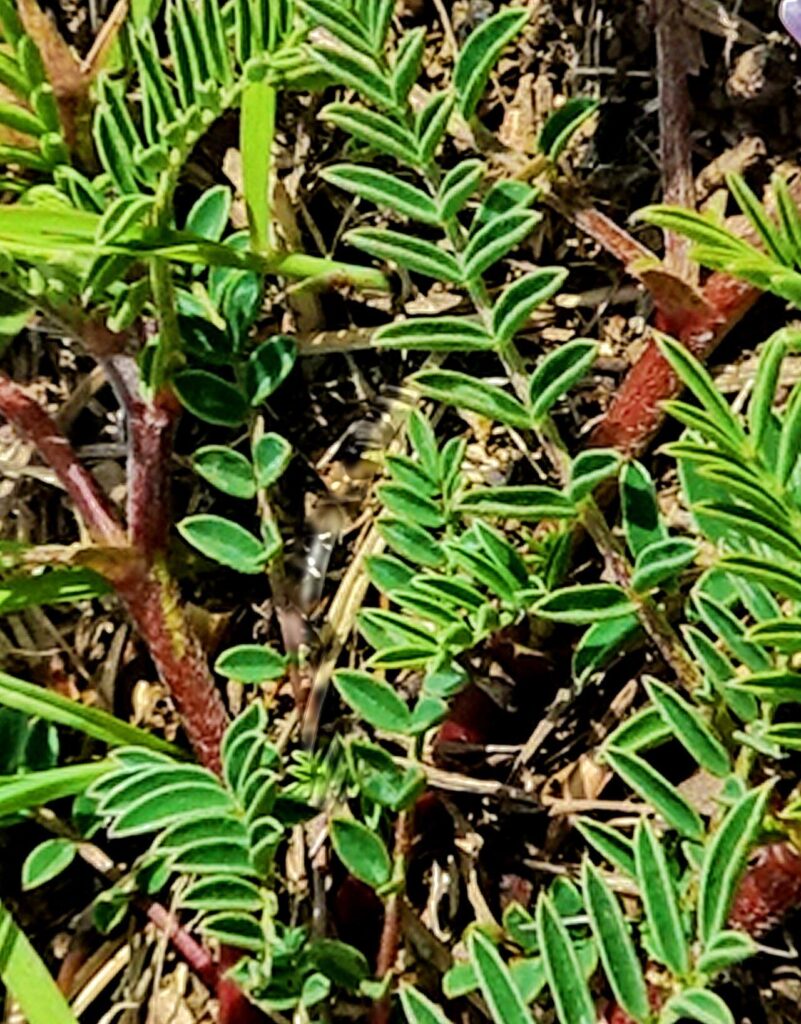
Propagating Ground Plum (Astragalus crassicarpus): A Gardener’s Guide
Introduction
Astragalus crassicarpus, commonly known as Ground Plum, is a low-growing, drought-tolerant legume native to the North American prairies. Its unique, pea-like flowers and nutritious, edible root (though caution is advised due to potential toxicity concerns if improperly prepared) have made it increasingly popular among gardeners interested in native plants, xeriscaping, and ethnobotanical pursuits. However, propagating Ground Plum presents some unique challenges due to its specific environmental adaptations and relatively slow growth rate. Understanding these challenges is essential for achieving successful propagation.
Seed Germination:
Seed germination is a viable, albeit challenging, method for propagating Astragalus crassicarpus. Seeds often exhibit dormancy, requiring specific pre-treatment to encourage germination. The primary challenge lies in breaking this dormancy. This often involves stratification – exposing the seeds to cold, moist conditions for several weeks or months to mimic winter’s natural influence.
Practical Tips:
- Stratification: Place seeds in a container filled with moist vermiculite or peat moss. Seal the container and refrigerate it at 33-40°F (0-4°C) for 60-90 days.
- Sowing: After stratification, sow seeds directly into well-draining soil in a sunny location. Seeds should be planted shallowly, barely covering them with soil.
- Moisture Management: Consistent moisture is crucial for germination but avoid overwatering which can lead to fungal diseases.
Rewards:
Successful seed germination offers the reward of high genetic diversity within the resulting plants. This diversity can be highly advantageous for establishing robust populations adapted to various conditions. Seed propagation also provides the potential for large-scale propagation, making it ideal for restoration projects or larger gardens.
Cuttings:
Currently, there are no known reliable methods for propagating Astragalus crassicarpus from cuttings. The plant’s physiology appears to resist rooting from stem or leaf cuttings.
Division:
Division is a feasible method, particularly for established plants. However, this is limited by the plant’s size and growth habit.
Practical Tips:
- Timing: The best time to divide Astragalus crassicarpus is during early spring or fall when the plant is actively growing, but not under intense summer heat.
- Technique: Carefully dig up the entire plant, gently separating it into smaller sections ensuring each section has roots and some healthy shoots.
- Replanting: Replant the divisions immediately in well-prepared soil ensuring adequate spacing.
Rewards:
Division offers a relatively quick way to increase the number of plants, preserving the genetic characteristics of the parent plant. It is, however, a less effective method for large-scale propagation.
Tissue Culture:
Tissue culture is a potential but not widely established method for propagating Astragalus crassicarpus. Specialized laboratory equipment and expertise are required, making this approach less accessible to the average gardener. Further research is needed to optimize protocols for this species.
Conclusion:
Propagating Astragalus crassicarpus presents a unique challenge for gardeners. While seed germination, using careful stratification, is possible, the success rate may be variable. Division is a viable option, especially for small-scale propagation, but not suitable for mass production. Cuttings and tissue culture methods remain unproven. However, the resilience and beauty of the Ground Plum make the effort worthwhile. The unique satisfaction of nurturing these beautiful native plants from seed or division, overcoming the challenges inherent in their propagation, is a reward in itself. Persistence, patience, and a keen understanding of the plant’s requirements are key to success. Don’t be discouraged by initial setbacks; the journey itself is a valuable learning experience.