
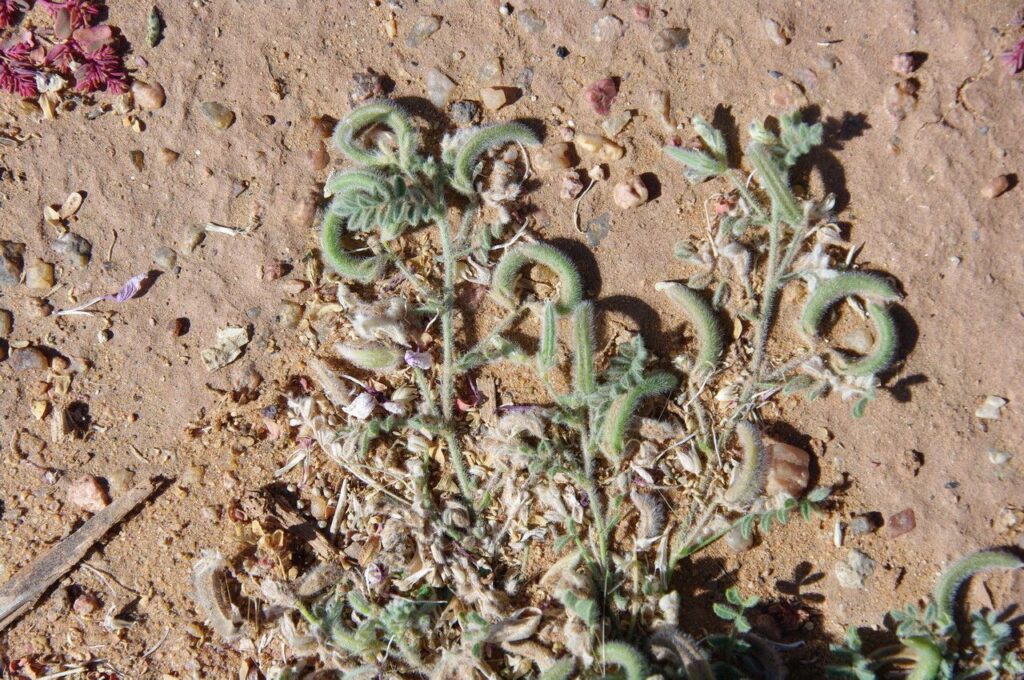
Propagating Astragalus eremophilus: A Gardener’s Challenge
Introduction:
Astragalus eremophilus, commonly known as the desert milkvetch (though common names can vary regionally), is a fascinating and, for some, highly desirable plant. Its unique characteristics, which often include silvery foliage and delicate flowers, make it a prized addition to xeriscapes and drought-tolerant gardens. However, its propagation is not straightforward, adding to its allure for seasoned gardeners. The plant’s relatively low propagation rate contributes to its rarity in cultivation, making successful propagation a significant achievement.
Seed Germination:
Currently, there are no known reliable methods for seed germination propagation of Astragalus eremophilus. While some seeds might germinate under specific, yet undocumented, conditions, the success rate is extremely low and unpredictable. Further research is needed to determine if seed dormancy mechanisms can be overcome through specific pre-treatments.
Cuttings:
Propagating Astragalus eremophilus from cuttings presents considerable challenges. Early attempts at this method have yielded limited success. The difficulty stems likely from the plant’s woody nature and tendency towards low rooting hormone production.
- Challenges: Low rooting success rate, susceptibility to fungal diseases during propagation.
- Practical Tips (Tentative): While there’s no guarantee, using hormone rooting powder with a high auxin concentration and providing bottom heat might marginally improve chances. Softwood cuttings taken in spring might be more amenable to rooting than hardwood. A high-humidity environment is also crucial. Experimentation with various rooting mediums is advisable.
- Rewards (Conditional): If successful, cuttings propagation offers the advantage of quickly generating a clone of the mother plant, ensuring desirable traits are preserved in the offspring.
Division:
Division is also a difficult method for propagating Astragalus eremophilus. The plant typically has a deep taproot system, making it challenging and potentially damaging to divide.
- Challenges: High risk of plant mortality due to root damage and the difficulty of successfully separating established plants. The taproot is easily damaged.
- Practical Tips (Conditional): If division is attempted, it should only be performed in early spring or fall, using sharp, sterilized tools. Ensure each division has a substantial portion of the root system. Handle the plant with utmost care.
- Rewards (Limited): A successful division results in the multiplication of existing plant material, maintaining the genotype of the mother plant in the offspring. This is usually only suited for mature plants, not easily accomplished.
Tissue Culture:
Tissue culture represents a potentially viable avenue for propagating Astragalus eremophilus, albeit a complex and resource-intensive one.
- Challenges: Establishment of sterile cultures and the optimization of media formulations for optimal growth and shoot proliferation require specialized expertise and laboratory facilities. The process also faces challenges which are often species-specific and require significant and long-term research.
- Practical Tips: This method requires a well equipped laboratory and expertise in plant tissue culture techniques. Successful protocols need to be developed including optimal media compositions and growth regulators. Sterile conditions are paramount.
- Rewards: Tissue culture holds the promise for mass propagation and the preservation of rare or endangered Astragalus eremophilus genotypes, offering the highest success rates if successful protocols are established.
Conclusion:
Propagating Astragalus eremophilus poses significant challenges, regardless of the method employed. While seed germination currently appears unfeasible, cuttings and division offer low success rates, highly depending on environmental conditions, methodology and the individual genetic attributes of the plant. Tissue culture presents the most promising—yet resource-intensive—option for large-scale propagation. Yet, the difficulty inherent in each approach only adds to the satisfaction of cultivating this unique desert plant. The successful propagation of Astragalus eremophilus, whether through patient experimentation with cuttings, division or high level research for tissue culture, rewards the dedicated gardener with the privilege of sharing this beautiful and challenging species with others. Don’t be discouraged by the initial challenges; each attempt, even if unsuccessful, provides valuable learning and experience.