
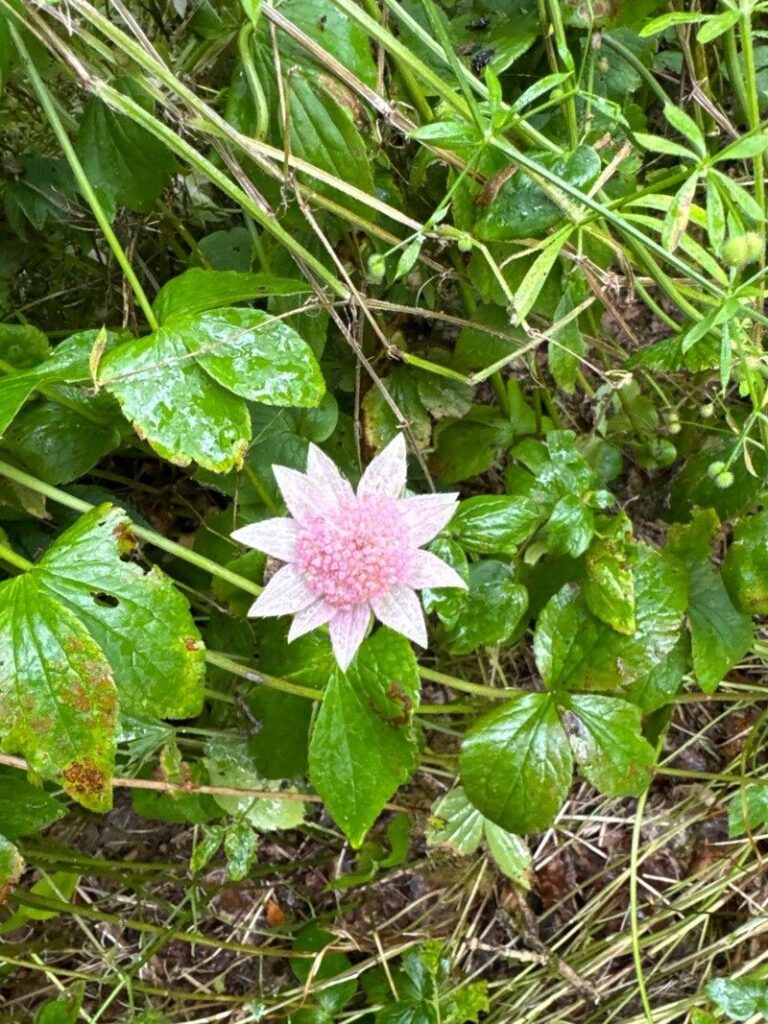
Propagating Great Masterwort (Astrantia maxima): A Gardener’s Guide
Introduction:
Astrantia maxima, commonly known as Great Masterwort, is a striking herbaceous perennial prized for its elegant, umbel-shaped flowers. These blooms, often a creamy white tinged with pink or green, rise above attractive, deeply lobed foliage, creating a delicate yet substantial presence in the garden. Its long blooming period and tolerance of partial shade make it a popular choice among gardeners. While relatively easy to maintain, propagation of Astrantia maxima presents certain challenges, making successful cultivation all the more rewarding. The unique genetic variation within seed-grown plants also offers an incentive for attempting this method.
Seed Germination:
Seed germination is a viable, albeit somewhat challenging, method for propagating Astrantia maxima. The primary hurdle is the seed’s relatively low germination rate and the need for stratification. This plant exhibits dormancy; chilling the seeds mimics winter conditions, thereby triggering germination.
Challenges: Low germination rate, requirement for stratification.
Practical Tips:
- Stratification: Sow seeds outdoors in autumn to allow for natural stratification. Alternatively, for spring sowing, stratify seeds in a refrigerator at 3-4°C (37-39°F) for 8-12 weeks prior to sowing.
- Sowing Techniques: Sow seeds thinly on a well-drained seed compost, barely covering with soil. Maintain consistent moisture but avoid waterlogging. Seeds can also be sown directly into the ground in autumn.
- Germination Conditions: Once stratified, sow seeds in a cool, bright location. Germination can take several weeks or even months.
Rewards: Genetic diversity leading to variation in flower colour and plant size, potential for large-scale propagation for commercial purposes.
Cuttings:
Currently, there are no known reliable methods for propagating Astrantia maxima from cuttings. The plant’s physiology appears to be unsuited to this common propagation technique.
Division:
Division is a relatively straightforward and reliable method for propagating Astrantia maxima. Established plants, usually after several years’ growth, can be divided in spring or autumn.
Challenges: Requires an established mature plant.
Practical Tips: Carefully dig up the plant, ensuring you minimally disturb the root system. Divide the clump into sections, each containing several healthy buds and roots. Replant the divisions immediately, ensuring good soil contact.
Rewards: Quick establishment of new plants, preservation of existing genetic traits.
Tissue Culture:
While tissue culture is a potentially viable method for large-scale propagation of Astrantia maxima, it is not a commonly employed technique for home gardeners due to the specialized equipment and sterile conditions required.
Challenges: Requires specialized laboratory equipment and expertise and it is uncommon for home gardeners.
Practical Tips: For large-scale propagation, consult professional plant tissue culture laboratories.
Rewards: High propagation rates, potential for disease-free plants.
Conclusion:
Propagating Astrantia maxima presents varying levels of challenge depending on the chosen method. Seed germination offers genetic diversity but requires patience and careful stratification. Division is a reliable and simpler method suited for home gardeners working with existing plants. Cuttings and tissue culture require specialist knowledge and equipment. The rewards, however, are worth the effort. Cultivating Great Masterwort from seed or successfully dividing a mature plant provides a unique sense of accomplishment, a testament to your horticultural skills. Don’t be discouraged by initial setbacks; the beauty and elegance of this plant make the journey worthwhile. The most reliable and accessible method for the average gardener is certainly division. Embrace the process, learn from each attempt, and enjoy the flourishing results!