
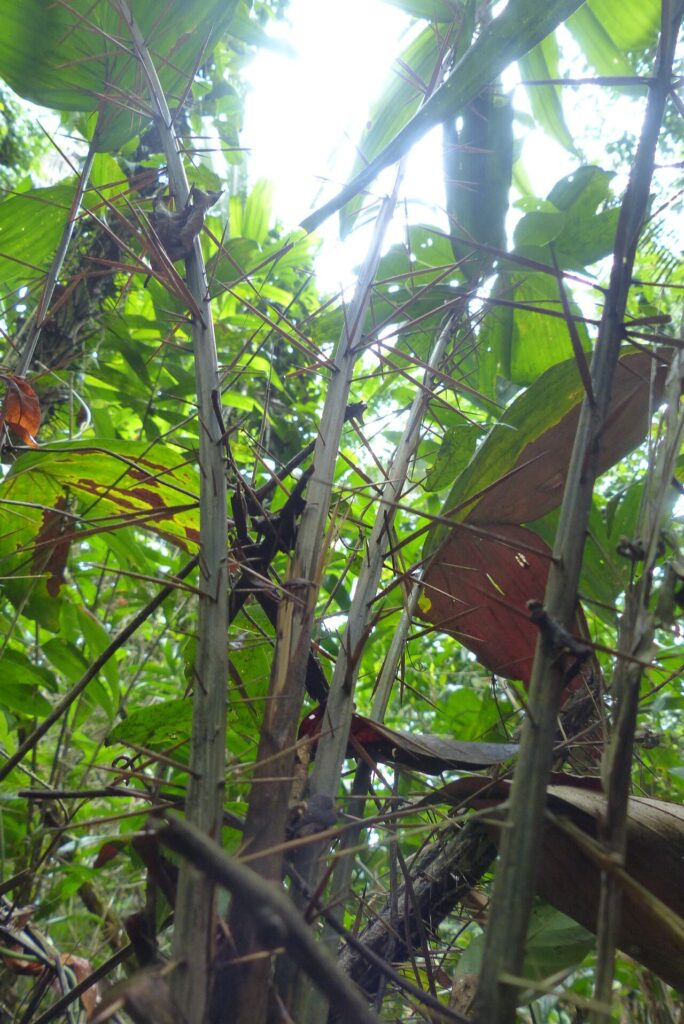
Propagating the Tucum Palm (Astrocaryum aculeatum): A Guide for the Determined Gardener
Introduction:
Astrocaryum aculeatum, commonly known as the tucum palm, is a striking species native to the Amazon basin. Its distinctive features include a slender trunk heavily armed with sharp spines, large, pinnate leaves, and vibrant red or orange fruits. The tucum palm holds horticultural significance due to its unique aesthetic appeal and the potential for utilizing its fruits and fibers. Its popularity amongst gardeners, however, is tempered by the challenges associated with its propagation. While the mature plant is visually impressive, successfully multiplying it requires patience and a degree of horticultural expertise. This article explores various propagation methods.
Seed Germination:
Seed germination is a viable method for propagating Astrocaryum aculeatum, but it presents several challenges. The seeds possess a hard seed coat that inhibits water uptake and germination.
Challenges: Slow germination rates and susceptibility to fungal diseases are common.
Practical Tips: Scarification (mechanically weakening the seed coat) is crucial. Soaking seeds in warm water for 24-48 hours before sowing can also improve germination success. Sowing should be done in a well-draining, rich seed-starting mix, maintaining consistently moist but not waterlogged conditions. A warm temperature (around 25-30°C) and high humidity are beneficial. Consider using a fungicide to prevent fungal attacks.
Rewards: Seed propagation offers the greatest genetic diversity, resulting in a more resilient population of plants. This method also holds potential for large-scale propagation if the challenges are effectively addressed.
Cuttings:
Currently, there are no known reliable methods for propagation of Astrocaryum aculeatum using cuttings. The plant’s physiology does not appear to lend itself to successful vegetative propagation from stem or leaf cuttings.
Division:
Division is not a feasible method for propagating Astrocaryum aculeatum. The plant’s single-stemmed structure does not allow for the separation of established plants into smaller, independent units.
Tissue Culture:
Tissue culture presents a potential, albeit complex, avenue for propagating Astrocaryum aculeatum. This advanced technique requires specialized laboratory equipment and expertise.
Challenges: Establishing aseptic conditions and developing an effective medium for shoot proliferation and rooting are significant hurdles. The process is also time-consuming and expensive.
Practical Tips: Success relies heavily on meticulous sterile techniques and the precise formulation of nutrient media. Experienced tissue culturists are needed to maximize the chances of success.
Rewards: Tissue culture offers the potential for rapid and large-scale propagation of genetically identical plants, ideal for commercial purposes or for preserving valuable cultivars.
Conclusion:
Propagating Astrocaryum aculeatum presents unique challenges across all methods. While seed germination offers the advantage of genetic diversity but requires patience and careful technique to overcome the hurdles of slow germination and potential fungal issues. Cuttings and division are currently not viable. Tissue culture offers the potential for mass propagation but requires expertise and resources.
Despite these difficulties, the unique satisfaction derived from cultivating this stunning palm makes the effort worthwhile. The sight of a successfully germinated tucum seedling or a thriving plant propagated via tissue culture is incredibly rewarding, a testament to perseverance and horticultural skill. For aspiring propagators, we encourage patience, meticulousness, and a willingness to learn and adapt. The journey may be arduous, but the rewards of successfully cultivating this beautiful and unique plant are more than worth the effort.