
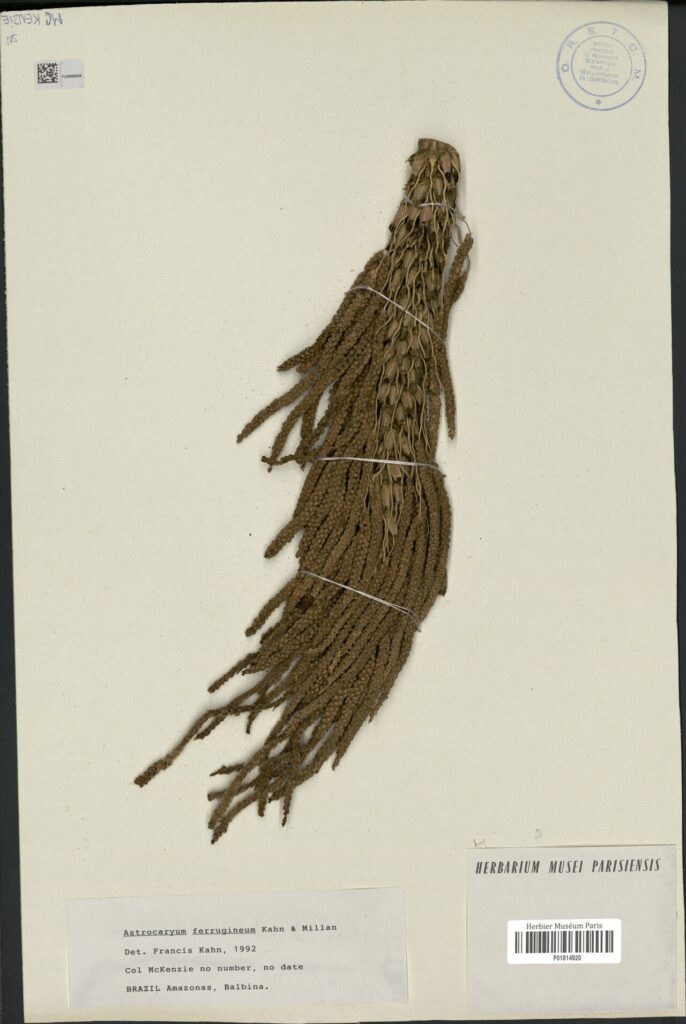
Propagating the Murichy Palm (Astrocaryum ferrugineum): A Gardener’s Challenge
Introduction:
Astrocaryum ferrugineum, commonly known as the Murichy palm, is a striking species characterized by its slender, spiny trunk and vibrant green, pinnate leaves. Native to the forests of South America, its ornamental value is increasingly recognized, making it a sought-after addition to gardens in tropical and subtropical climates. However, its propagation presents unique challenges, primarily due to its specific environmental requirements and the relative difficulty of certain methods. This article explores various propagation techniques for Astrocaryum ferrugineum, weighing the challenges and rewards of each.
Seed Germination:
Seed germination is a viable method for propagating Astrocaryum ferrugineum, but it requires patience and attention to detail.
Challenges: Murichy palm seeds have a relatively low germination rate and can be susceptible to fungal diseases. The hard seed coat can hinder water uptake, delaying germination.
Practical Tips: Seeds should be collected fresh from ripe fruits and cleaned thoroughly. Pre-sowing treatment, such as scarification (slightly nicking the seed coat) or soaking in warm water for 24-48 hours, can improve germination rates. Sowing should be done in a well-draining, moist seed starting mix, kept at a consistently warm temperature (around 25-30°C) and high humidity. Regular monitoring for fungal growth and prompt treatment with appropriate fungicides is crucial.
Rewards: Successful seed germination offers the advantage of high genetic diversity, resulting in a wider range of plant characteristics. This method also allows for larger-scale propagation, making it suitable for commercial nurseries or landscape projects.
Cuttings:
Currently, there are no known reliable methods for propagating Astrocaryum ferrugineum from cuttings. The palm’s physiology doesn’t readily lend itself to this method.
Division:
Division is not a practical method for Astrocaryum ferrugineum propagation. This palm doesn’t produce readily separable offshoots or suckers like some other plant species.
Tissue Culture:
Tissue culture offers a potential pathway for Astrocaryum ferrugineum propagation, though it requires specialized knowledge and laboratory equipment.
Challenges: Establishing aseptic conditions and developing appropriate culture media are critical for successful tissue culture. Finding the optimal hormone combinations for shoot proliferation and root development might require considerable experimentation.
Practical Tips: This method necessitates a sterile laboratory environment, skilled technicians, and access to specialized growth media and hormones.
Rewards: Tissue culture allows for the rapid multiplication of desirable genotypes, guaranteeing uniformity and eliminating the risks associated with seed germination, such as low germination rates and genetic variability. It also allows for disease-free plantlets.
Conclusion:
Propagating Astrocaryum ferrugineum presents a unique set of challenges, with seed germination offering the most accessible (though not guaranteed) method for the average enthusiast. While tissue culture promises higher success rates and consistency, it demands significant investment and expertise. The absence of viable cutting or division methods limits the available options. However, the reward of successfully cultivating this magnificent palm is immense. The satisfaction derived from nurturing a Murichy palm from seed to maturity, overcoming various challenges along the way, is a testament to the gardener’s dedication and skill. For aspiring propagators, persistence, meticulous attention to detail, and a willingness to learn from both successes and failures are key to achieving this rewarding endeavor. Remember to research your local climate and soil conditions to maximize success.